Understanding Capacitive Proximity Sensing Technology
Capacitive proximity sensors operate on a fundamental principle: they generate an electrostatic field and detect changes in capacitance caused by the presence of an object, regardless of its material composition. Unlike inductive sensors that only detect metals, capacitive sensors can sense a wide variety of materials including liquids, powders, plastics, and wood. This is achieved through an oscillator circuit. When a target object enters the sensing field, it alters the capacitance of the system, which in turn changes the oscillation amplitude. This change is processed by the sensor's circuitry, triggering a solid-state output signal. The key components within a high-quality sensor include a sensing electrode, an oscillator, a demodulator, and an output circuit. The performance is heavily dependent on the dielectric constant of the target material and the sensitivity adjustment, often a potentiometer, which allows engineers to fine-tune the sensor to ignore background materials or containers.
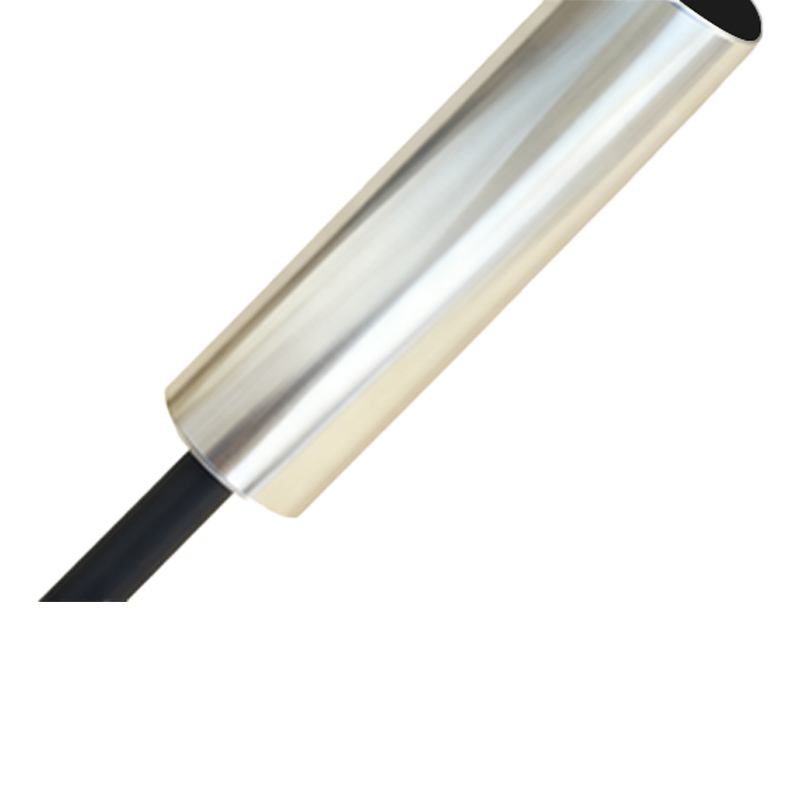
Key Selection Criteria for Industrial Applications
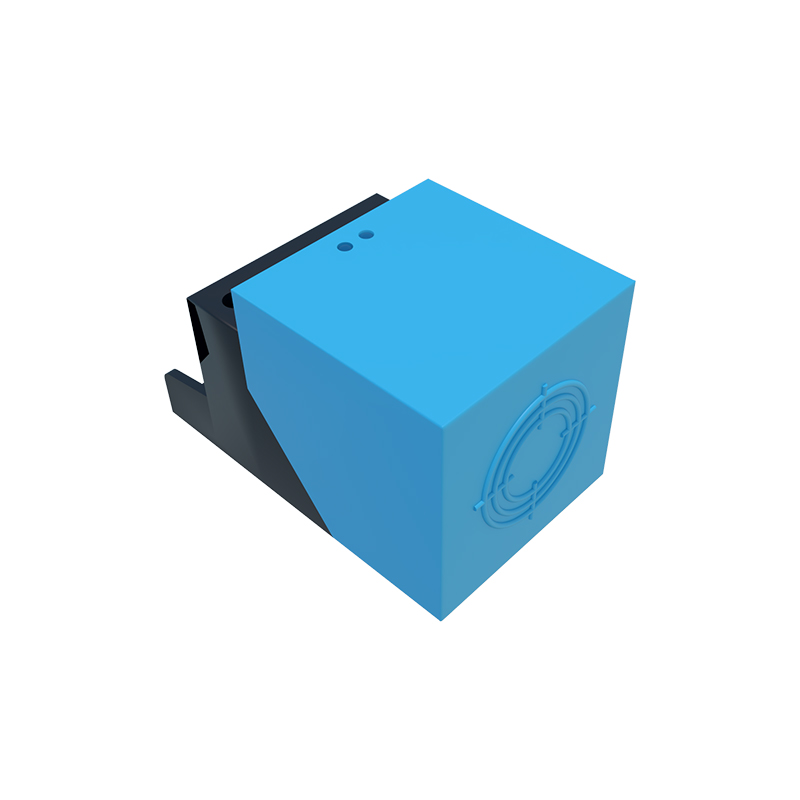
Choosing the right capacitive sensor manufacturer and model is critical for system reliability. The first consideration is the sensing range, which is typically shorter than inductive sensors but sufficient for most detection and level sensing tasks. Environmental factors are paramount; look for manufacturers that offer robust housings in materials like PBT or stainless steel, with high IP ratings (e.g., IP67, IP69K) for dust and liquid ingress protection. Temperature stability is another crucial factor, especially for processes involving extreme heat or cold. The output type must match the control system—PNP, NPN, analog (4-20mA, 0-10V), or IO-Link for digital communication. Finally, consider form factors: cylindrical, rectangular, or slot-style sensors are designed for specific mounting and space constraints.
Leading Global Manufacturers and Their Specializations
The market for capacitive proximity sensors is served by several established global players, each with distinct strengths. Companies like Sick AG and Pepperl+Fuchs are renowned for their innovation in hygienic and washdown applications, offering sensors with exceptional chemical resistance for food and beverage or pharmaceutical industries. Balluff GmbH and ifm electronic excel in providing sensors with advanced diagnostics and IO-Link connectivity, enabling predictive maintenance and seamless integration into Industry 4.0 frameworks. Omron Corporation and Keyence Corporation are leaders in miniaturization and high-precision sensing, offering incredibly small sensors with powerful performance for tight spaces in electronics assembly. Rockwell Automation (Allen-Bradley) and Siemens AG provide sensors that are optimized for deep integration within their broader automation ecosystems, ensuring compatibility and simplified engineering.
Innovations and Trends in Sensor Manufacturing
Modern capacitive sensor manufacturing is driven by several key trends. The integration of IO-Link is becoming standard, transforming simple sensors into smart devices that communicate parameter data, health status, and process values. This enables remote configuration and condition monitoring. Another significant trend is the development of all-metal housing sensors that still maintain their sensing capability, overcoming a traditional limitation. Manufacturers are also focusing on enhanced EMC (Electromagnetic Compatibility) robustness to ensure reliable operation in electrically noisy industrial environments. Furthermore, there is a push towards universal power supply models (10-30V DC) that simplify inventory and wiring. Advanced algorithms are being embedded to provide better shielding compensation, allowing sensors to ignore build-up on the face or the container wall, a common issue in level control.
Quality Assurance and Manufacturing Standards
Reputable capacitive sensor manufacturers adhere to stringent international quality and safety standards. The production process involves rigorous testing at multiple stages. Key standards include IEC 60947-5-2, which defines the performance and testing requirements for proximity sensors. CE marking and UL certification are essential for market access in Europe and North America, respectively. For specific industries, additional certifications are critical; for example, FDA-compliant materials and EHEDG design for food processing, or ATEX/IECEx certification for use in potentially explosive atmospheres. A reliable manufacturer will have a documented Quality Management System, often certified to ISO 9001, ensuring consistency and traceability. The manufacturing of the sensing face, a critical element, often involves specialized potting compounds and sealing techniques to guarantee long-term stability.
Application-Specific Solutions and Customization
Beyond standard catalog products, leading manufacturers offer deep application engineering support and customization. Common specialized applications include liquid level detection in transparent or opaque tanks, granular/powder level control in silos, and presence detection of non-metallic objects on conveyors. Manufacturers can provide