Introduction to Proximity Sensor Fundamentals
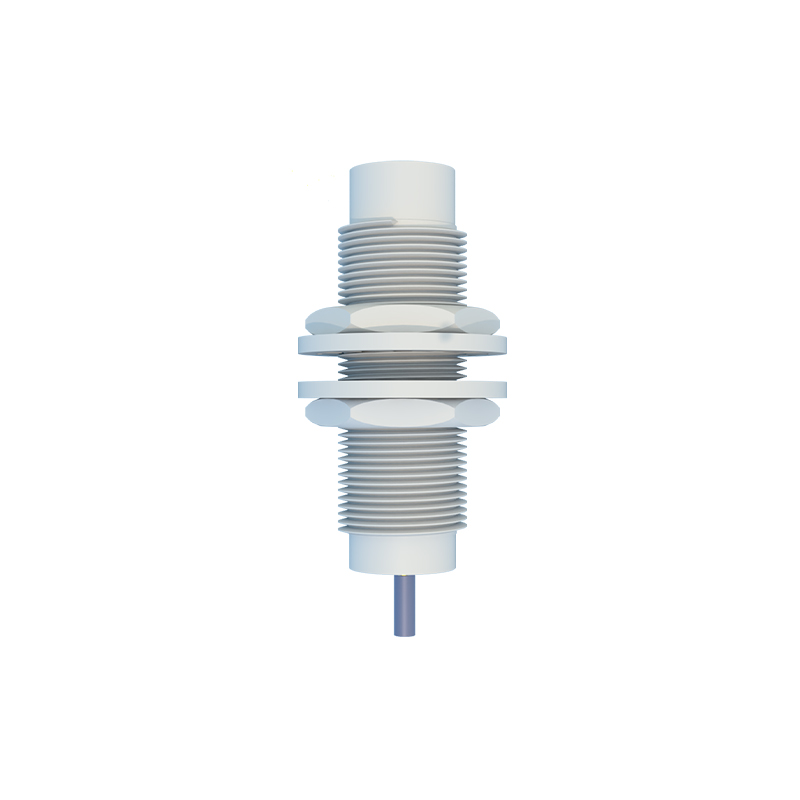
Proximity sensors are pivotal components in modern industrial automation, enabling non-contact detection of objects within a defined range. These devices operate on various principles, including inductive, capacitive, ultrasonic, and photoelectric technologies. Inductive sensors, for instance, detect metallic objects through electromagnetic fields, while capacitive sensors respond to both metallic and non-metallic materials by sensing changes in capacitance. Understanding these core mechanisms is essential for any engineering curriculum focused on automation and control systems. This course design aims to bridge theoretical knowledge with practical application, providing students with hands-on experience in selecting, integrating, and troubleshooting proximity sensors in real-world scenarios. By mastering these fundamentals, learners can develop the skills needed to design efficient and reliable automated systems.
Course Design Objectives and Learning Outcomes
The primary objective of this course is to equip students with comprehensive expertise in proximity sensor applications. Key learning outcomes include the ability to differentiate between sensor types based on operational principles and environmental factors. Students will learn to calculate sensing distances, account for temperature and humidity effects, and interpret datasheet specifications. Practical modules will involve designing circuits that interface sensors with microcontrollers like Arduino or PLCs (Programmable Logic Controllers). Through project-based assignments, participants will gain proficiency in programming sensor outputs for tasks such as object counting, position control, and safety interlocking. By the course's end, learners should be capable of independently developing sensor-based solutions for industrial challenges.
Hands-On Laboratory Projects and Simulations
A critical component of this course involves immersive laboratory sessions. Students will engage in projects like configuring an inductive sensor to detect metal components on a conveyor belt, using feedback to trigger a robotic arm for sorting. Another project might involve capacitive sensors for liquid level detection in tanks, integrating alarms via PLC programming. Simulation software, such as Siemens TIA Portal or Factory I/O, will be utilized to model complex automation environments before physical implementation. These exercises emphasize real-time problem-solving, such as adjusting hysteresis to prevent false triggers or shielding sensors from electrical noise. Documentation of design processes, including circuit diagrams and code, will be required to foster professional engineering practices.
Integration with Industrial Automation Systems
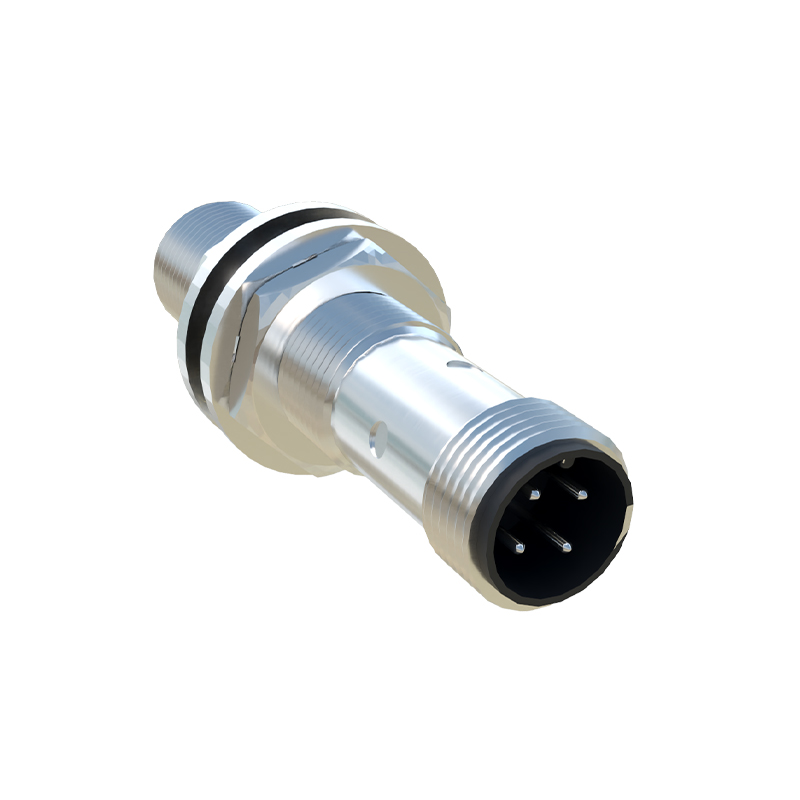
Proximity sensors rarely operate in isolation; they are integral to broader automation networks. This course module focuses on connecting sensors to systems like PLCs, HMIs (Human-Machine Interfaces), and SCADA (Supervisory Control and Data Acquisition). Students will explore communication protocols such as IO-Link, which enables advanced diagnostics and parameterization. Case studies from manufacturing lines—for example, using ultrasonic sensors in packaging machinery to ensure precise fill levels—will illustrate best practices. Emphasis is placed on system reliability, with topics covering fail-safe wiring, redundancy strategies, and compliance with safety standards like ISO 13849. By analyzing real industrial setups, learners can appreciate the scalability and interoperability of sensor technologies.
Troubleshooting and Maintenance Strategies
Engineers must adeptly diagnose and resolve sensor-related issues to minimize downtime. This section trains students in systematic troubleshooting techniques, starting with visual inspections for physical damage or contamination. They will use multimeters and oscilloscopes to test signal integrity and identify problems like voltage drops or electromagnetic interference. Practical scenarios include recalibrating sensors after environmental changes or replacing faulty units in assembly lines. Preventive maintenance routines, such as regular cleaning and firmware updates, are also covered. Through simulated fault injections, students will develop critical thinking skills to quickly isolate defects and implement solutions, ensuring operational continuity in automated facilities.
Assessment Methods and Future Applications
Student performance is evaluated through a combination of written exams, project reports, and practical demonstrations. Exams test theoretical knowledge on sensor selection criteria and operational limits. Project assessments focus on innovation, efficiency, and documentation quality in tasks like designing a sensor-based security system. Looking ahead, the course prepares learners for emerging trends, including the integration of proximity sensors with IoT (Internet of Things) for predictive maintenance and data analytics. Industries like automotive, pharmaceuticals, and smart agriculture increasingly rely on advanced sensing, making this expertise highly valuable. By fostering a deep understanding of both current and future applications, the course empowers engineers to drive innovation in automation.