Introduction to Stainless Steel Proximity Sensors
In the demanding world of industrial automation, the choice of sensor material is not merely a matter of specification but a critical determinant of system reliability and longevity. Among the various options, stainless steel proximity sensors stand out as a premier solution for applications where durability, hygiene, and resistance to harsh conditions are paramount. These non-contact sensors detect the presence or absence of metallic objects without physical contact, utilizing electromagnetic fields or capacitive principles. The encapsulation of this sophisticated sensing technology within a robust stainless steel housing transforms a standard component into a workhorse capable of withstanding the rigors of challenging environments, from food processing plants to offshore drilling platforms. The inherent properties of stainless steel provide a protective barrier that ensures consistent performance where other materials would fail.
Material Advantages: The Strength of Stainless Steel
The primary advantage of stainless steel as an enclosure material lies in its exceptional material properties. Grades such as 303, 304, and the more corrosion-resistant 316L are commonly employed. These alloys offer superior resistance to corrosion, oxidation, and pitting, which is essential when sensors are exposed to moisture, saline atmospheres, or various chemical agents. The material's high mechanical strength protects the internal electronics from physical impacts, vibration, and pressure washdowns common in CIP (Clean-in-Place) processes. Furthermore, stainless steel is non-porous and easy to clean, making it indispensable in industries with strict hygienic standards like pharmaceuticals, beverage, and meat processing. This material integrity directly translates to reduced downtime, lower maintenance costs, and extended sensor lifecycle.
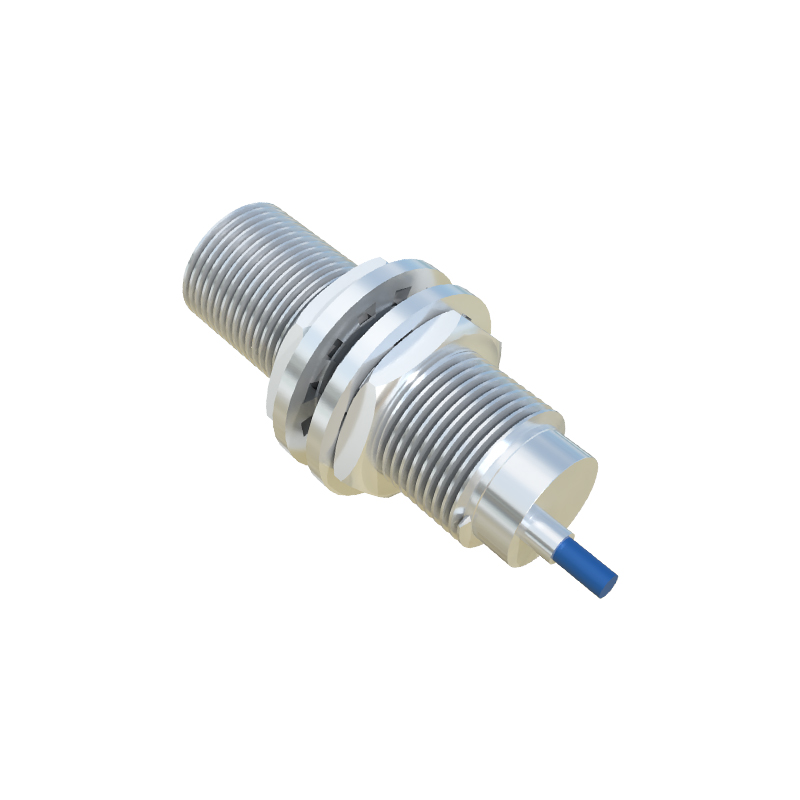
Key Sensing Technologies and Operational Principles
Stainless steel housings are utilized across the main types of proximity sensor technologies. Inductive proximity sensors, the most common variant for metal detection, generate an oscillating electromagnetic field. When a ferrous or non-ferrous metal target enters this field, it induces eddy currents, causing a change in oscillation amplitude that is detected by the sensor's circuit. These are ideal for detecting machinery parts, position verification, and counting. Capacitive proximity sensors, also available in stainless steel, can detect both metallic and non-metallic materials (liquids, plastics, wood) by measuring changes in capacitance. Ultrasonic variants, though less common in all-metal housings, use sound waves for detection. The hermetic sealing of the stainless steel body ensures that the sensitive internal components of all these technologies remain isolated from external contaminants.
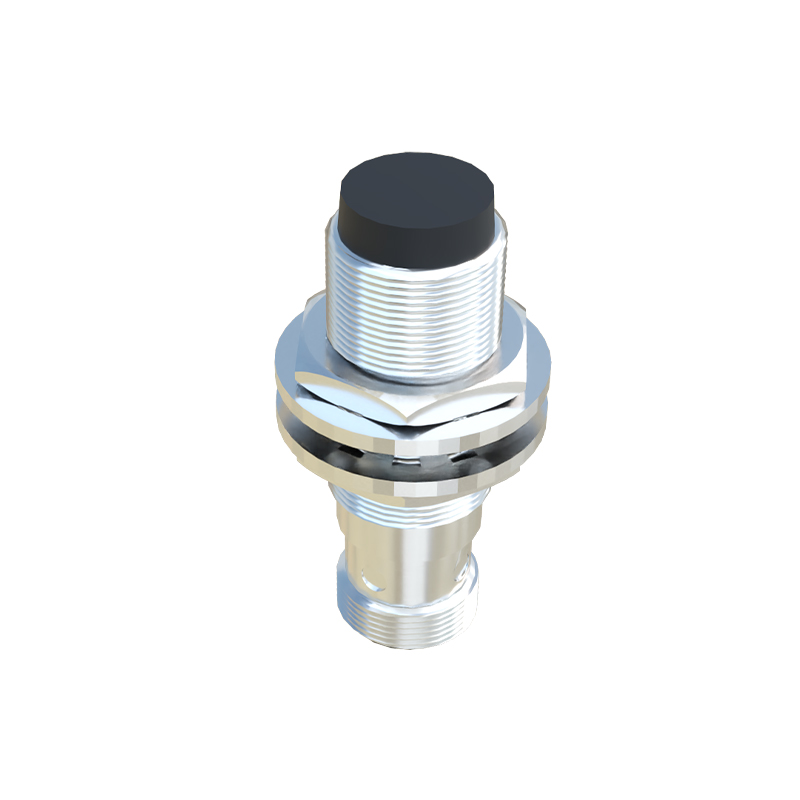
Design Considerations and Housing Configurations
The design of a stainless steel proximity sensor is a careful balance between sensing performance, environmental sealing, and mechanical form factor. Housing shapes typically include cylindrical barrels (e.g., M8, M12, M18, M30 threaded barrels) and rectangular block styles. The IP (Ingress Protection) rating is a critical specification, with many models achieving IP67, IP68, or IP69K ratings. An IP69K rating certifies the sensor can withstand close-range, high-pressure, high-temperature washdowns, a necessity in food and chemical industries. The sensing face is often made of a specific grade of stainless steel or a specialized polymer that allows the electromagnetic field to pass through while maintaining chemical resistance. Designers must also consider temperature ranges, electrical connection types (pre-wired or quick-disconnect), and output configurations (PNP/NPN, NO/NC).
Critical Applications Across Demanding Industries
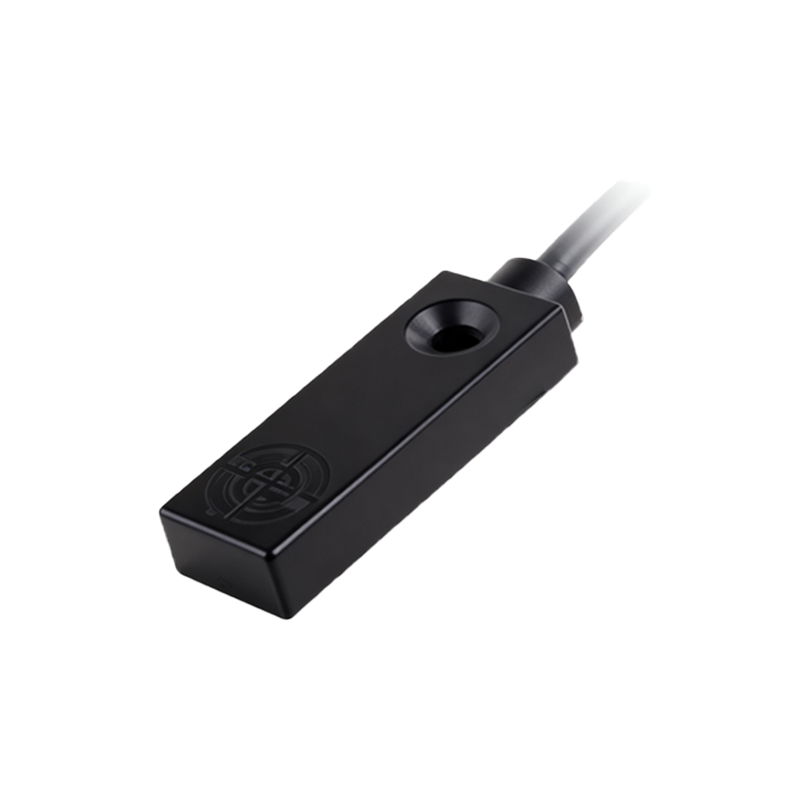
The application spectrum for stainless steel proximity sensors is vast and focused on harsh or regulated environments. In the food and beverage industry, they are used on packaging lines, fill-level detection, and door interlocking on processing equipment, where frequent washdowns with caustic cleaners are routine. In marine and offshore applications, their saltwater corrosion resistance is vital. Pharmaceutical manufacturing leverages their cleanability for processes requiring sterile conditions. Heavy industries like mining, metal stamping, and automotive welding employ them for position sensing on machinery where exposure to coolants, metal chips, and extreme physical abuse is common. They are also fundamental in wastewater treatment plants and chemical processing facilities.
Installation, Maintenance, and Best Practices
Proper installation is crucial to maximize the performance and lifespan of a stainless steel proximity sensor. Key considerations include ensuring adequate mounting clearance (to prevent interference from the metal mounting nut or surrounding structure), correct alignment with the target, and adherence to the specified sensing distance (Sn). Using the correct mounting hardware, typically also made of stainless steel, prevents galvanic corrosion. While these sensors are designed for minimal maintenance, periodic checks are recommended to verify mounting integrity, clean the sensing face of any buildup, and inspect cables and connectors for damage. Following the manufacturer's guidelines for voltage supply, load current, and environmental limits is