Introduction to Hazardous Area Sensing
In industrial environments where flammable gases, vapors, mists, or combustible dusts are present, standard electronic equipment poses a significant ignition risk. A single spark or excessive surface temperature can lead to catastrophic events. This is where specialized equipment, designed and certified for operation in such classified locations, becomes non-negotiable. Among the most critical components in automated processes within these areas are proximity sensors. Explosion-proof proximity sensors are engineered to detect the presence or absence of an object without physical contact, while ensuring that their operation cannot ignite the surrounding atmosphere. Their reliability is paramount for safety, operational continuity, and regulatory compliance in sectors like oil & gas, chemical processing, pharmaceuticals, mining, and grain handling.
Understanding Explosion-Proof Protection Principles
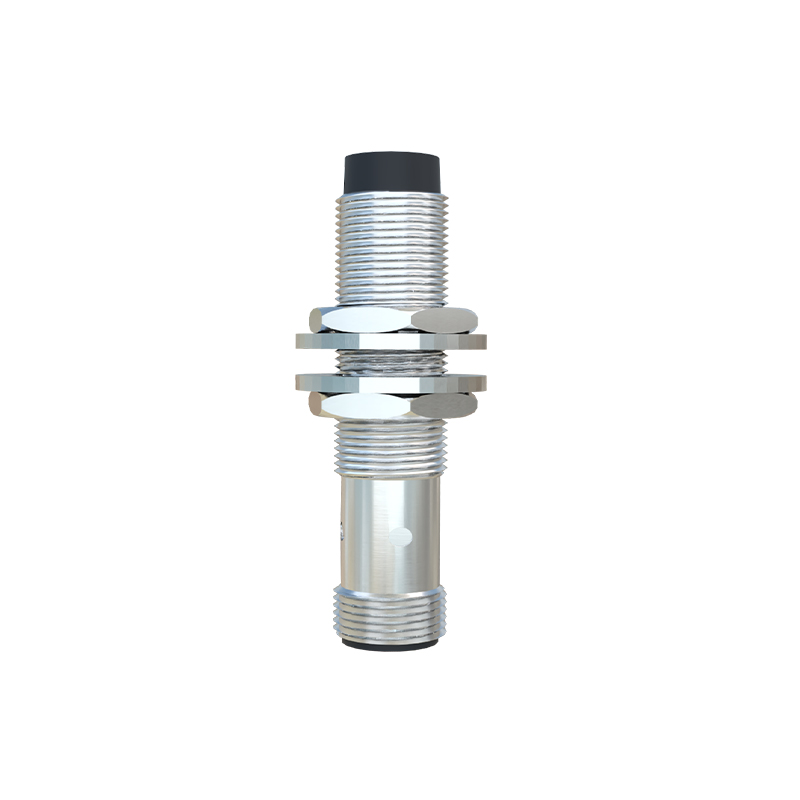
The term "explosion-proof" does not mean the sensor is immune to an external explosion. Rather, it signifies that the sensor's enclosure is designed to withstand an internal explosion of specific flammable substances and prevent the ignition from propagating to the external hazardous atmosphere. This is achieved through robust construction, typically using heavy-duty materials like stainless steel or brass, with precisely machined flame paths. These flame paths are gaps between mating surfaces that cool hot gases escaping from an internal explosion below the ignition temperature of the surrounding gas. Key international certification standards govern these designs, including ATEX (Europe), IECEx (International), and NEC/CEC with Class/Division/Group system (North America). Understanding the specific zone (e.g., Zone 1, Zone 2) or class/division for the application is the first step in correct sensor selection.
Core Technologies: Inductive, Capacitive, and Magnetic
Explosion-proof housings can integrate various sensing technologies. Inductive proximity sensors are the most common, used to detect metallic objects. They generate an electromagnetic field, and when a metal target enters this field, it causes a change in oscillation, triggering the sensor's output. Capacitive sensors can detect both metallic and non-metallic materials (liquids, plastics, wood) by measuring changes in capacitance. Magnetic sensors, or reed switches, are activated by a magnetic field, often used in conjunction with a piston in pneumatic cylinders for position feedback. The choice of technology depends entirely on the target material and the required sensing distance. Each type is available in explosion-proof variants, with the sensing face often encapsulated in a material like PBT or ceramic to maintain integrity.
Critical Design and Selection Parameters
Selecting the right explosion-proof proximity sensor involves several technical considerations beyond the certification. The sensing range, or nominal switching distance (Sn), must be derated for safe operation in hazardous areas, often to 80% or less of the catalog value. Enclosure material is crucial; stainless steel offers excellent corrosion resistance for harsh environments, while brass may be preferred where non-sparking properties are critical. The ingress protection (IP) rating, such as IP67 or IP69K, indicates the level of protection against dust and water, ensuring long-term reliability. Electrical characteristics like supply voltage (commonly 10-30V DC or 20-250V AC), output type (PNP/NPN, NO/NC), and connection method (pre-wired cable or connector) must match the control system. Physical size and mounting style (threaded barrel, rectangular) are also key for installation.
Installation and Maintenance Best Practices
Proper installation is critical to maintaining the sensor's explosion-proof integrity. This includes adhering to specified tightening torques for cable glands and enclosure lids to ensure the flame path is secure. Conduit seals may be required where the sensor cable enters a safe area to prevent gas migration. The sensor must be mounted securely to avoid vibration damage and positioned so that only the target object, not the surrounding structure, activates it. Regular maintenance involves visual inspections for physical damage, corrosion, or buildup of process material on the sensing face. It is vital to never compromise the original equipment by drilling holes, using non-certified replacement parts, or altering the enclosure in any way. Any repair must be performed by qualified personnel following the manufacturer's guidelines.
The Vital Role in Functional Safety and Modern Systems
In modern industrial automation, explosion-proof proximity sensors often form part of a larger Functional Safety system, such as a Safety Instrumented System (SIS). They can provide critical input for emergency shutdown functions. Integration with programmable logic controllers (PLCs) and distributed control systems (DCS) in hazardous areas is facilitated by intrinsic safety barriers or isolators, which limit the energy available to the sensor. Furthermore, the advent of Industry 4.0 brings smart sensors with diagnostic capabilities (like IO-Link) even into explosion-proof