In today's automated and interconnected world, proximity sensors are the silent, unseen workhorses. They detect the presence or absence of objects without physical contact, enabling countless applications from smartphone screens to factory robotics and automotive safety systems. Understanding the source—the manufacturers and the core technologies—is crucial for engineers, procurement specialists, and innovators seeking reliable components for their projects.
The landscape of proximity sensor manufacturers is diverse, ranging from global semiconductor giants to specialized industrial component firms. Leading sources include companies like Omron, Sick AG, Balluff, Pepperl+Fuchs, and IFM Electronic. These established players have built reputations on precision, durability, and extensive product portfolios catering to different sensing ranges, materials, and environmental conditions. Alongside them, semiconductor leaders like Texas Instruments and STMicroelectronics provide the essential integrated circuits (ICs) and evaluation modules that form the brains of many sensor designs, serving both large manufacturers and custom integrators.
Choosing the right source depends heavily on the underlying technology. The most common types include:
Inductive Sensors: A primary source for metal detection in industrial settings. They generate an electromagnetic field. When a metallic object enters this field, it induces eddy currents, causing a change the sensor detects. Key manufacturers excel in providing variants resistant to oils, coolants, and physical impacts common in machining and assembly lines.
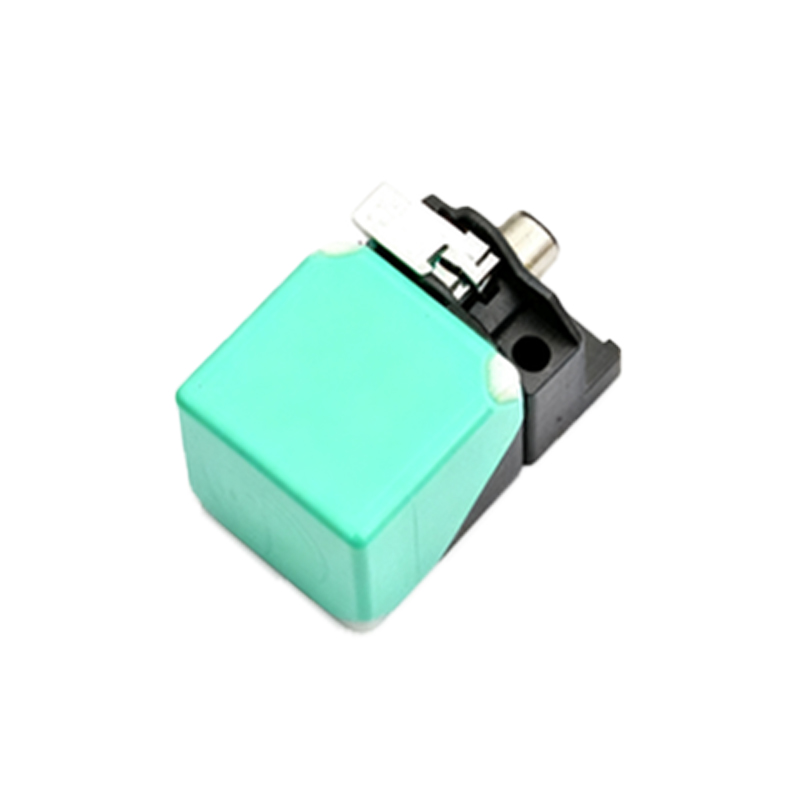
Capacitive Sensors: These can detect both metallic and non-metallic materials like liquids, plastics, or wood. They work by measuring changes in capacitance caused by an object entering an electrostatic field. Sources specializing in this technology are vital for packaging, level sensing, and material handling applications.
Photoelectric Sensors: Utilizing a light emitter (usually LED or laser) and a receiver, these sensors detect interruptions or reflections of the light beam. Major sources offer solutions for long-range detection, challenging environments (with fiber optic options), and precise color or contrast recognition.
Ultrasonic Sensors: These measure the time taken for a sound wave to reflect back from an object. Trusted sources for these sensors provide robust devices for distance measurement, level control in tanks, and presence detection in dusty or vaporous conditions where optical methods may fail.
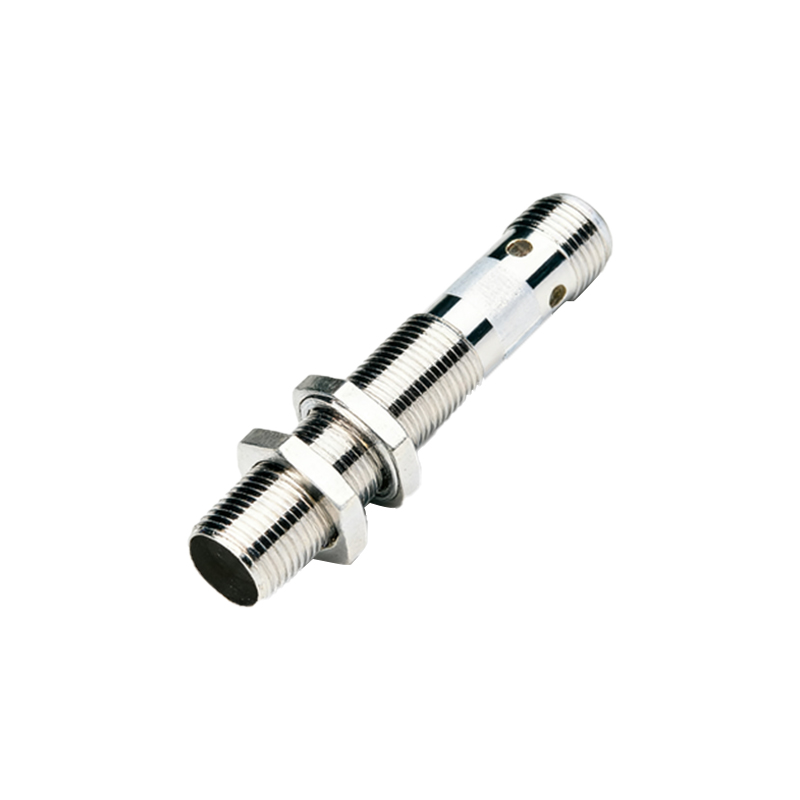
Magnetic Sensors (Hall Effect & Reed Switches): Often sourced from semiconductor and component specialists, these detect magnetic fields. They are fundamental in automotive systems (e.g., wheel speed, gear position) and simple position detection in consumer appliances.
Beyond selecting a type, evaluating a sensor source requires scrutiny of several factors. Technical specifications like sensing distance, repeat accuracy, response time, and operating voltage are paramount. Equally important are environmental ratings: an IP67 or IP68 rating indicates resistance to dust and water ingress, critical for harsh environments. The output type (PNP/NPN, analog, IO-Link) must be compatible with the control system. For modern smart factories, sources that offer sensors with integrated IO-Link digital communication provide valuable diagnostic data and parameterization capabilities, enabling predictive maintenance.
The supply chain and support ecosystem are also part of a reliable source. Leading manufacturers provide comprehensive datasheets, 3D models for CAD integration, application notes, and responsive technical support. The rise of online distributor platforms from companies like Digi-Key, Mouser, and RS Components has also made evaluating and sourcing samples from multiple manufacturers faster than ever.
Looking forward, sensor sources are continuously innovating. Miniaturization allows sensors to fit into ever-smaller devices. Enhanced intelligence, with built-in microprocessors, allows for advanced functions like background suppression and temperature compensation. Furthermore, the integration of sensing, processing, and wireless communication into single, compact modules is a growing trend, simplifying deployment in IoT applications.
In conclusion, the "source" for proximity sensors is not a single point but a network of technology innovators and manufacturing experts. A successful design or integration project hinges on matching the precise technical requirement with the appropriate sensing principle and a manufacturer known for quality and reliability in that niche. By understanding the core technologies and the strengths of various producers, one can navigate this critical component landscape effectively, ensuring robust and efficient automated solutions.