Understanding Low Temperature Proximity Sensor Technology
Low temperature proximity sensors are specialized industrial components designed to operate reliably in extreme cold environments, typically ranging from -40°C to as low as -196°C. These sensors are critical in industries like cryogenics, frozen food processing, outdoor automation in arctic climates, and aerospace. Unlike standard sensors, they incorporate materials and construction techniques that prevent component failure, condensation, and ice buildup. The core sensing technologies remain similar—inductive, capacitive, ultrasonic, or photoelectric—but are engineered with low-temperature-grade electronics, specialized housing seals, and often heating elements to ensure consistent performance. The fundamental technology dictates the base cost, with more complex sensing principles generally commanding a higher price point.
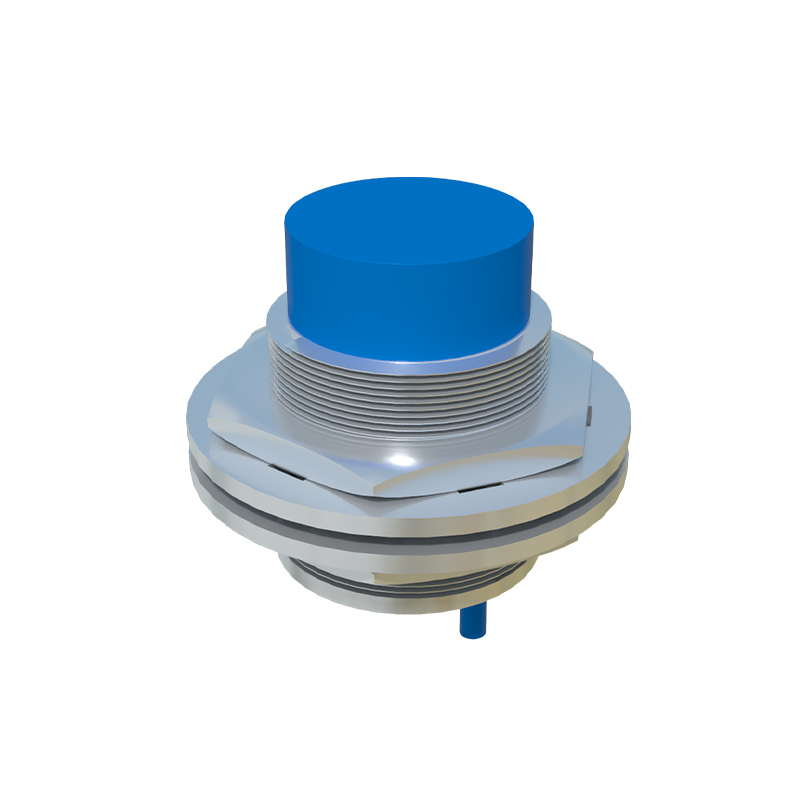
Key Factors Influencing Sensor Pricing
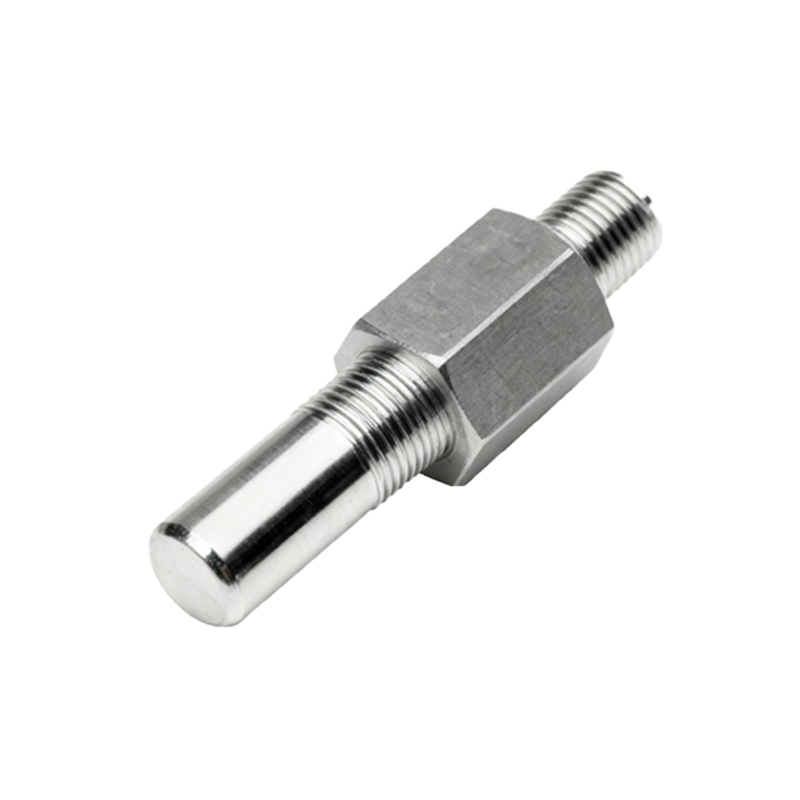
The cost of a low temperature proximity sensor is not a single figure but a spectrum determined by several interconnected factors. First, the performance specifications are paramount: sensing range, response time, and the exact minimum operating temperature (e.g., -40°C vs. -80°C) cause significant price variations. Second, the housing material and ingress protection (IP) rating are major cost drivers. Stainless steel housings with high IP ratings (like IP67 or IP69K) for wash-down or corrosive environments are more expensive than standard plastic or nickel-plated brass. Third, output type and connection method matter. Sensors with analog outputs or IO-Link digital communication are priced higher than basic PNP/NPN models. Finally, certifications for specific industries (e.g., ATEX for hazardous areas, FDA approval for food contact) add substantial development and compliance costs.
Price Ranges by Sensor Type and Application
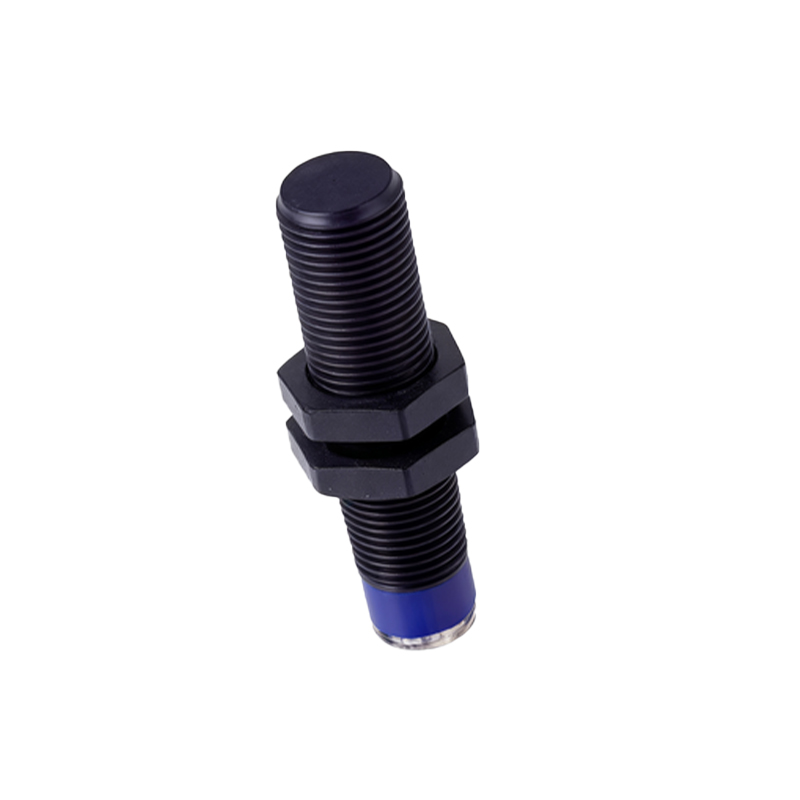
Providing exact prices is challenging due to market fluctuations and volume discounts, but general ranges can be established. Basic inductive proximity sensors rated for -40°C, with a standard sensing range and PNP output, may start from $50 to $150 per unit. For more demanding applications, such as capacitive sensors for detecting non-metallic objects in freezers or ultrasonic sensors for level detection in liquefied gas, prices typically range from $150 to $400. High-performance photoelectric sensors with heated lenses for frost prevention in automated cold storage can cost from $300 to over $800 each. It is crucial to note that custom-engineered solutions for unique low-temperature challenges can easily exceed $1,000 per sensor, depending on development and testing requirements.
The Impact of Brand and Supply Chain on Cost
The manufacturer's brand reputation significantly impacts pricing. Established global brands like Balluff, Pepperl+Fuchs, SICK, or Omron often carry a premium (20-40% higher) due to their proven reliability, extensive R&D, global warranty, and support networks. Their sensors are perceived as lower-risk investments for critical processes. Conversely, competitive brands or generic suppliers may offer lower upfront costs, but this may come with trade-offs in longevity, technical support, or certification validity. Furthermore, supply chain factors like material scarcity (e.g., specific grades of stainless steel), regional tariffs, and logistics for delivering to remote, cold-weather sites can add hidden costs to the final price.
Total Cost of Ownership vs. Initial Purchase Price
A savvy engineer must evaluate the Total Cost of Ownership (TCO), not just the purchase order price. A cheaper sensor that fails prematurely in a -60°C environment can cause catastrophic production downtime, product spoilage, and expensive emergency replacements. The TCO includes installation labor, calibration, maintenance, energy consumption (for heated models), and mean time between failures (MTBF). Investing in a higher-quality, more expensive sensor with a longer warranty and better MTBF often results in a lower TCO over a 5-10 year period. Calculating the potential cost of a single failure versus the price differential of a robust sensor is a critical part of the procurement decision.
How to Get an Accurate Quote for Your Project
To obtain a precise and competitive quote, prepare a detailed specification sheet. Include the required operating temperature range, target object material, required sensing distance, electrical supply details, output signal type, housing material and size, necessary certifications, and the annual volume needed. Contact authorized distributors or directly reach out to application engineers at sensor manufacturers. They can provide the most accurate pricing and may suggest cost-optimized alternatives that meet your technical requirements. Always request formal quotations that detail unit prices for different volume tiers, lead times, and warranty terms.