Introduction to Welding Proximity Switch Sensors
In the demanding environment of modern industrial automation, precision, reliability, and safety are non-negotiable. Among the myriad of components that ensure seamless operation, welding proximity switch sensors stand out as critical devices. These specialized sensors are engineered to detect the presence or absence of metallic objects without any physical contact, a function paramount in welding applications. Unlike standard proximity sensors, they are built to withstand the extreme conditions inherent to welding processes, including intense heat, spatter, electromagnetic interference, and mechanical shock. Their primary role is to provide accurate positional feedback, enabling automated welding systems to perform with high repeatability and efficiency. By integrating these sensors, manufacturers can achieve superior weld quality, reduce cycle times, and minimize material waste, forming the backbone of intelligent manufacturing cells.
Core Functions and Operational Principles
The fundamental operation of a welding proximity switch sensor is based on electromagnetic induction. The sensor generates an oscillating electromagnetic field from its active face. When a metallic target, such as a workpiece or a welding torch nozzle, enters this field, eddy currents are induced on the target's surface. This action dampens the oscillation within the sensor's coil, triggering a change in its output state. This non-contact detection method is ideal for welding, as it eliminates wear and tear associated with mechanical limit switches. These sensors are typically configured to output a discrete signal, either PNP (sourcing) or NPN (sinking), which interfaces directly with Programmable Logic Controllers (PLCs) or robot controllers. This signal is used to confirm part presence, verify fixture clamping, signal the end of a weld seam, or initiate the next step in an automated sequence, ensuring precise coordination within the production line.
Robust Design for Harsh Environments
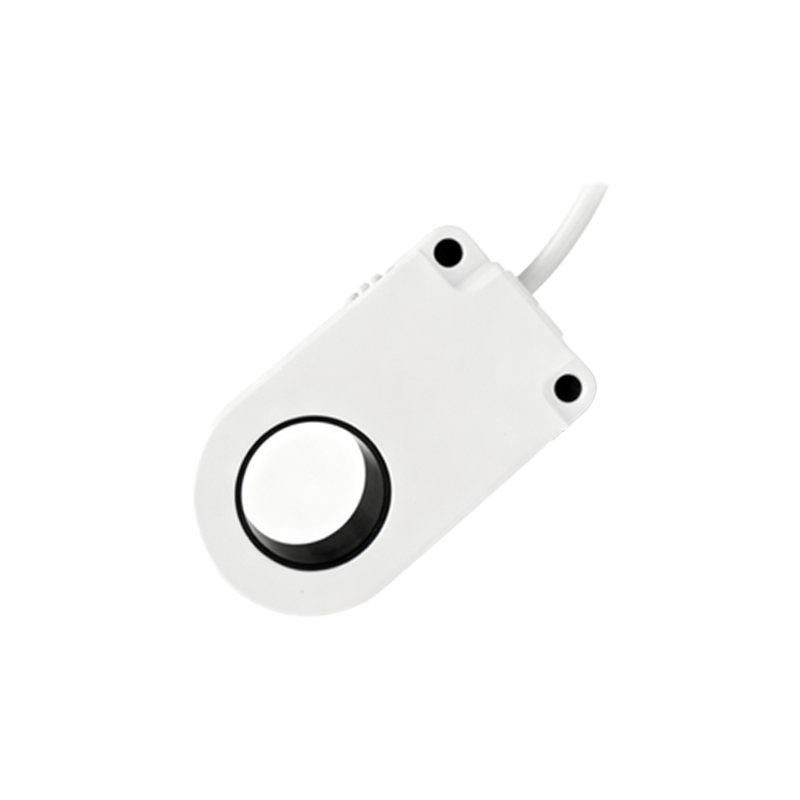
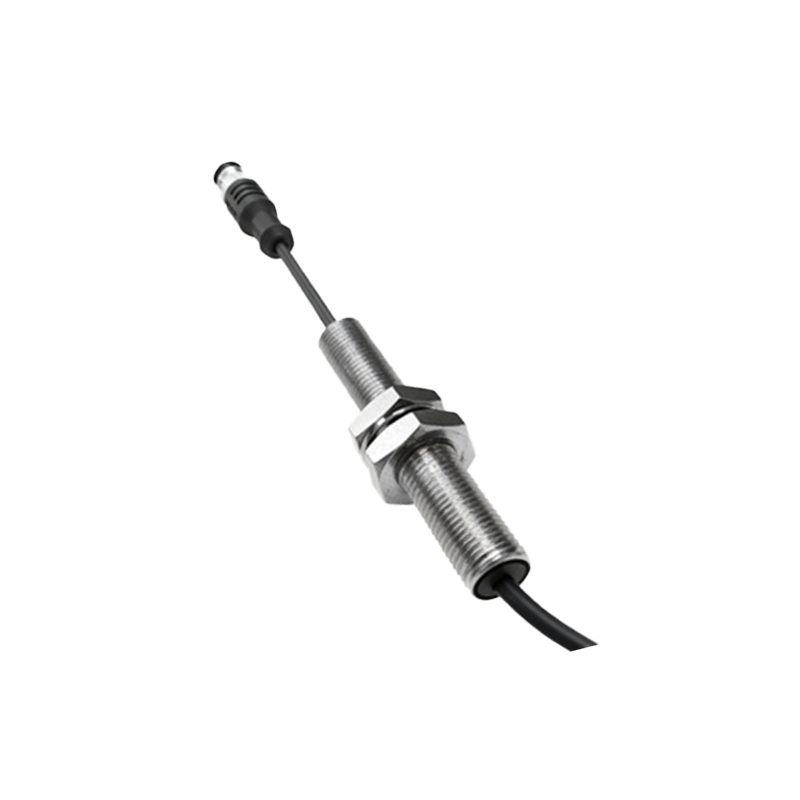
The distinguishing feature of a welding proximity sensor is its ruggedized construction. Standard sensors would quickly fail under the brutal conditions of a welding booth. Therefore, these sensors are housed in robust metallic casings, often made from stainless steel or brass, with high-temperature ratings. The sensing face is protected by a thick, wear-resistant cap designed to deflect molten spatter. Many models incorporate advanced sealing technologies, achieving IP67, IP68, or IP69K ratings for resistance against dust, water ingress, and high-pressure washdowns. Furthermore, they are designed with enhanced immunity to electromagnetic interference (EMI) generated by welding power sources. This robust design ensures long-term operational stability, minimizes unplanned downtime for sensor replacement, and significantly reduces maintenance costs, providing a reliable sensing solution in the most challenging industrial landscapes.
Key Applications in Automated Welding Systems
The applications for welding proximity switches are diverse and integral to automated welding success. One primary use is seam tracking and joint finding. Sensors can detect the exact start and end points of a weld joint, guiding the welding torch with millimeter precision. They are also crucial for tool center point (TCP) calibration on robotic welding arms, ensuring the torch is correctly positioned after nozzle cleaning or tip changes. In fixture and clamping verification, sensors confirm that parts are properly loaded and secured before the welding cycle begins, preventing costly rework or collisions. Additionally, they monitor consumable status, such as detecting when a wire feeder spool is nearly empty or when a contact tip is worn beyond tolerance. These applications collectively enhance process control, product consistency, and overall equipment effectiveness (OEE).
Enhancing Safety and Process Reliability
Beyond productivity, welding proximity sensors play a vital role in operational safety and process reliability. By providing definitive confirmation of machine states and part positions, they act as a primary safety interlock. For instance, a sensor can ensure a safety door is closed or a guard is in place before enabling the welding arc. In collaborative robot (cobot) cells, these sensors help define safe working zones. From a process standpoint, the reliable feedback prevents defects caused by missing components or misalignment. Early detection of anomalies, such as a bent welding wire or a mis-fed part, allows for immediate process stoppage, reducing scrap and preventing damage to expensive tooling and robotics. This proactive approach to fault detection is a cornerstone of modern predictive maintenance strategies.
Selection Criteria and Integration Best Practices
Selecting the right welding proximity sensor requires careful consideration of several parameters. The sensing distance, or nominal range, must be appropriate for the application, with a derating factor applied for different target materials. The housing size and thread type (e.g., M8, M12, M18, M30) must fit the mounting location. The output type (PNP/NPN) and connection method (pre-wired cable or quick-disconnect) must be compatible with the control system. It is also critical