Introduction to Ball Proximity Sensors
Ball proximity sensors, a specialized type of inductive sensor, are essential components in modern industrial automation. Unlike standard cylindrical sensors, these devices feature a durable, spherical sensing face that allows for omnidirectional detection. This unique design enables reliable object detection from any angle, making them particularly valuable in complex or confined machinery layouts. The core principle involves generating an electromagnetic field; when a metallic target enters this field, it induces eddy currents, causing a change in oscillation that the sensor detects to trigger an output signal. MiSUMi, a prominent global supplier of factory automation components, offers a comprehensive range of these sensors, engineered for high precision and consistent performance in demanding environments.
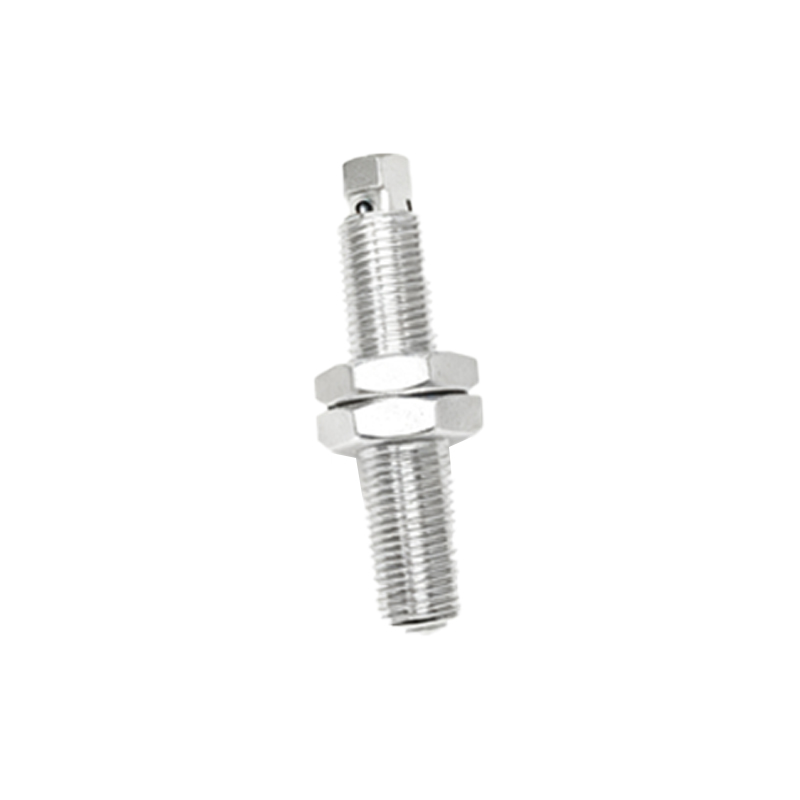
Key Technical Features and Specifications
MiSUMi ball proximity sensors are characterized by several critical technical parameters that define their application scope. The sensing distance, typically ranging from 1.5mm to 4mm depending on the model, is calibrated for specific target materials, usually mild steel. A key specification is the repeat accuracy, which is exceptionally high, ensuring the sensor triggers at the exact same position every cycle. These sensors commonly operate on DC voltages (e.g., 10-30 VDC) with PNP or NPN output configurations, providing compatibility with standard PLCs and controllers. The housing is often constructed from nickel-plated brass or stainless steel, offering superior resistance to oils, coolants, and physical impacts. The integrated LED status indicator provides immediate visual feedback for operational diagnostics and setup.
Advantages in Industrial Applications
The spherical design of MiSUMi's sensors provides distinct operational advantages. The omnidirectional sensing capability eliminates the need for precise alignment between the sensor and the target, simplifying installation and reducing setup time. This is crucial in applications involving rotating parts, robotic arms, or irregularly moving objects. Their compact size allows for integration into tight spaces where traditional sensors cannot fit. Furthermore, the robust construction ensures reliable operation in environments with significant vibration, shock, or contamination. This leads to reduced machine downtime, lower maintenance costs, and enhanced overall system reliability, contributing directly to improved production efficiency and throughput.
Common Use Cases and Implementation
These sensors find widespread use across various automation sectors. A primary application is position verification in assembly lines, such as confirming the presence of a metal component in a fixture or a robotic gripper. They are also extensively used in machine tools for tool breakage detection or monitoring the position of slides and turrets. In material handling systems, they detect the passage of metal pallets or carts. When implementing these sensors, engineers must consider factors like the target material, size, and approach speed. Proper mounting is essential, ensuring the sensing ball has an unobstructed field and that the sensor body is secure. Shielding from other strong electromagnetic sources is also a standard practice to prevent false triggering.
Selection Criteria and Integration Tips
Selecting the correct MiSUMi ball proximity sensor requires careful analysis of the application requirements. The first step is to determine the required sensing distance based on the target and available space. Next, the electrical characteristics must match the control system—choosing between PNP (sourcing) or NPN (sinking) output and ensuring the voltage range is compatible. Environmental conditions dictate the necessary ingress protection (IP) rating; models with IP67 ratings are standard for harsh, washdown environments. For integration, it is recommended to use shielded cables in electrically noisy settings and to follow the manufacturer's wiring diagrams precisely. Regularly testing the sensor's response during preventive maintenance cycles helps in early fault detection and avoids unplanned stoppages.
Conclusion and Industry Outlook
MiSUMi ball proximity sensors represent a fusion of innovative design and practical engineering, addressing core needs in automation for reliable, non-contact detection. Their durability, precision, and flexibility make them a preferred choice for engineers designing robust and efficient systems. As Industry 4.0 and smart manufacturing evolve, the role of such reliable sensing components becomes even more critical. They form the foundational layer of data acquisition, providing the essential signals that drive automated decision-making and process control. By offering high-quality, readily available components through its global supply network, MiSUMi supports the continuous advancement of industrial automation, helping businesses achieve higher levels of productivity and operational excellence.