Understanding DC Proximity Sensor Fundamentals
DC proximity sensors are indispensable components in modern industrial automation, providing non-contact detection of metallic objects. Operating on direct current, these sensors convert the presence or absence of a target into a discrete electrical signal. The core technology, typically based on inductive, capacitive, or magnetic principles, allows for reliable operation in harsh environments where physical contact is undesirable. Key performance parameters influencing both functionality and cost include sensing distance, response frequency, output type (NPN or PNP), and housing material. A clear grasp of these fundamentals is essential before delving into market pricing, as specifications directly dictate the investment required for a specific application.
Primary Factors Influencing Sensor Pricing
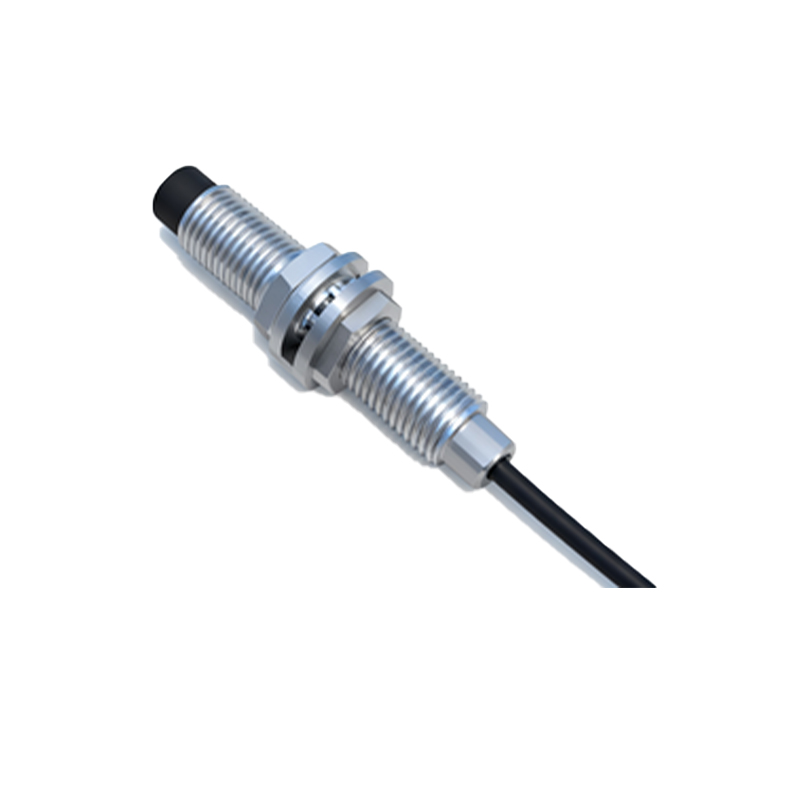
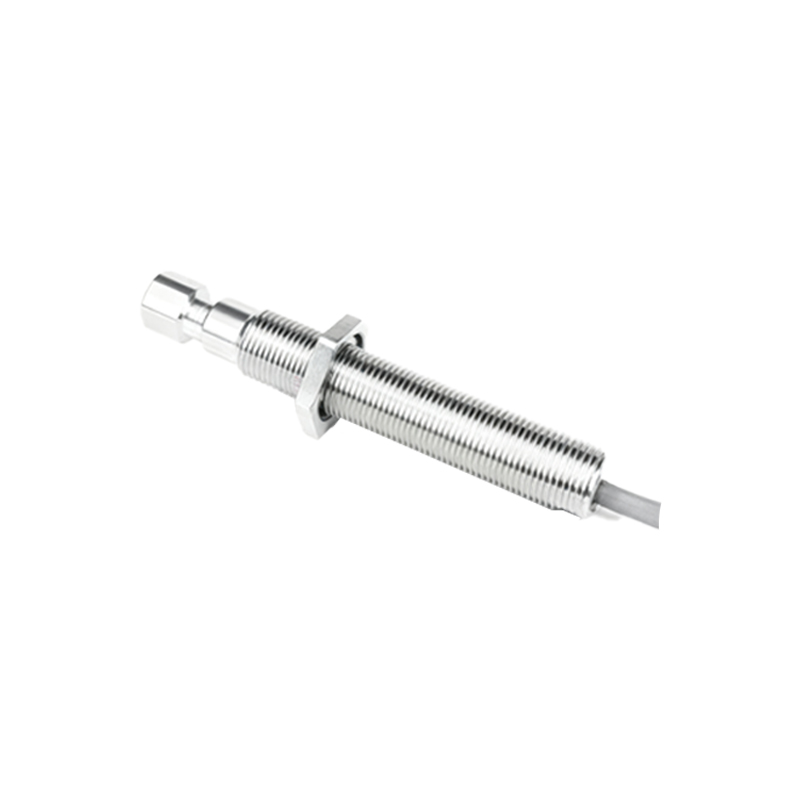
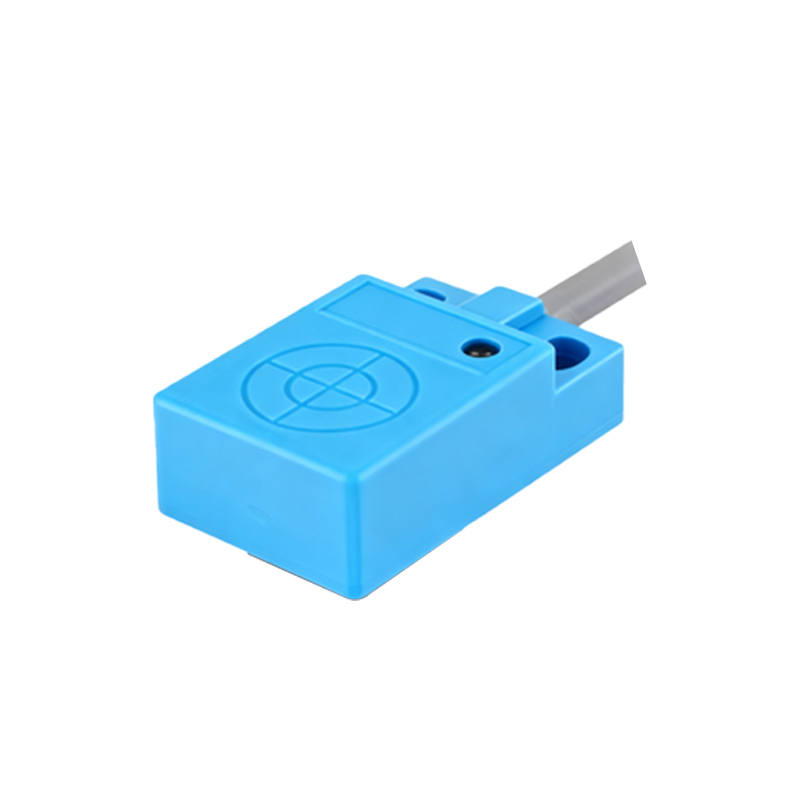
The cost spectrum for DC proximity sensors is broad, driven by several critical factors. Sensing range is a primary determinant; standard-range sensors (e.g., 2mm to 15mm) are most economical, while extended-range or analog-output models command a premium. Build quality and housing material—such as stainless steel versus nickel-plated brass or PBT plastic—significantly impact price and suitability for washdown or corrosive environments. Output configuration (e.g., normally open, normally closed) and connection type (cable or connector) also affect cost. Furthermore, specialized features like weld-field immunity, IO-Link communication capability, or high-temperature tolerance can substantially increase the price compared to standard, non-shielded units.
Market Price Range Analysis
Current market analysis reveals a wide price range for DC inductive proximity sensors, typically from under $20 to over $200 per unit. Basic, short-range cylindrical sensors (M8, M12) with standard performance can be sourced for $15-$40. Mid-range models featuring longer sensing distances (up to 25mm), robust metal housings, or enhanced environmental protection (IP67/IP69K) generally fall between $40 and $100. The high-end segment ($100+), includes sensors with exceptional precision, very long ranges, advanced diagnostics like condition monitoring via IO-Link, or specialized form factors for challenging installations. Bulk purchasing from distributors or OEM suppliers often yields considerable discounts.
Cost-Benefit Considerations for Procurement
Focusing solely on the initial purchase price can be a costly mistake. A comprehensive total cost of ownership (TCO) analysis is crucial. This includes evaluating the sensor's mean time between failures (MTBF), warranty period, and compatibility with existing systems to avoid integration expenses. A slightly higher-priced sensor from a reputable manufacturer often delivers superior longevity and reliability, minimizing costly production downtime, replacement labor, and inventory costs for spares. Investing in sensors with smart features can also enable predictive maintenance, offering long-term savings that far outweigh the initial price differential.
Strategies for Effective Price Consultation
When consulting on pricing, prepare a detailed specification sheet. Clearly define the required sensing distance, target material, supply voltage, output type, housing size (e.g., M8, M12, M18, M30), and required ingress protection rating. Request quotes from multiple authorized distributors or directly from manufacturers like Pepperl+Fuchs, Omron, Sick, or Balluff, specifying required quantities. Inquire about volume discounts, annual agreement programs, and lead times. Don't hesitate to discuss your application with technical sales engineers; they can often recommend a cost-optimized model that meets your technical needs without over-specification.
Future Trends Impacting Cost Structures
The landscape of sensor pricing is evolving. The integration of Industrial Internet of Things (IIoT) capabilities, such as IO-Link, is becoming more standard, potentially reducing the future cost premium for smart sensors. However, global supply chain dynamics and raw material costs for electronics and metals remain volatile factors. Conversely, increased competition and manufacturing efficiencies in certain regions may exert downward pressure on prices for standard sensor types. Staying informed about these trends allows for more strategic budgeting and technology adoption planning.