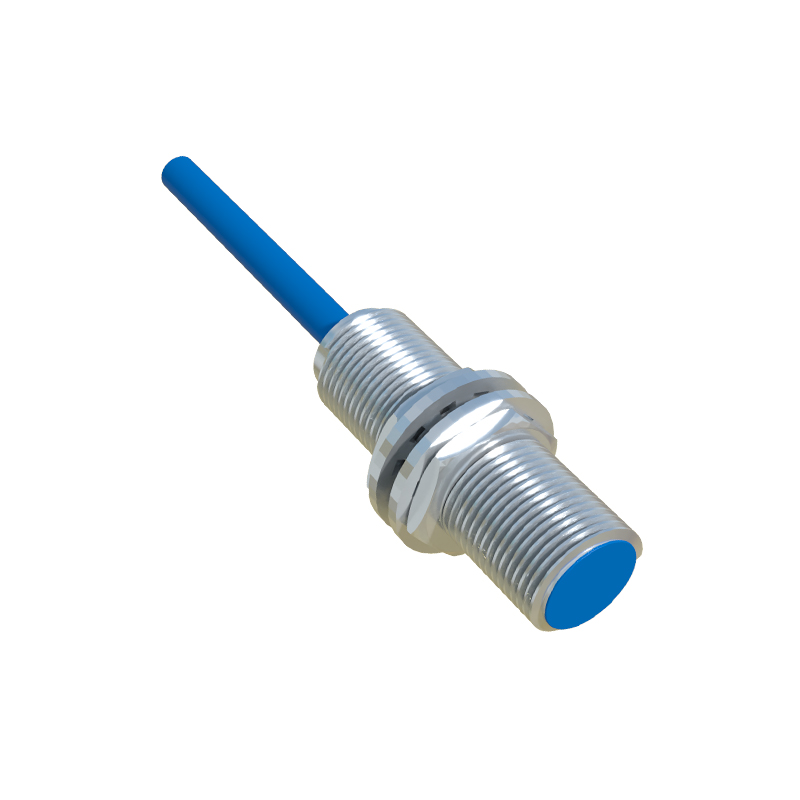
In the world of industrial automation and smart device design, the ability to detect the presence, absence, or position of an object without physical contact is fundamental. Among the diverse array of sensing technologies, the square proximity sensor has carved out a significant niche, prized for its robust design and versatile mounting capabilities. Unlike their cylindrical counterparts, these sensors offer a distinct profile that makes them indispensable in space-constrained applications and on flat mounting surfaces.
A square proximity sensor operates on the same core principles as other inductive or capacitive sensors. Inductive models generate an electromagnetic field to detect metallic objects, while capacitive variants can sense both metallic and non-metallic materials, including liquids and powders, by detecting changes in capacitance. The defining characteristic is its housing—a compact, often rugged, square or rectangular enclosure. This shape provides a larger surface area for labeling and indicator LEDs, and more importantly, allows for easier and more secure mounting, especially when flush-mounted into a machine frame or conveyor system. The flat sides prevent rotation, ensuring consistent alignment and reliable performance.
The selection process for a square proximity sensor hinges on several critical factors beyond its shape. First, determine the sensing technology: inductive for metals, capacitive for a broader range of materials. Next, consider the sensing distance, which is typically shorter for square designs due to the shape's influence on the field distribution. Environmental rating is paramount; look for ingress protection (IP) ratings like IP67 or IP69K for resistance to dust, water, and high-pressure washdowns, common in food processing or automotive manufacturing. The output type (PNP/NPN, NO/NC) must be compatible with your control system (e.g., PLC). Finally, the housing material, often stainless steel or rugged PBT plastic, must withstand the operational environment, including exposure to chemicals, oils, or mechanical impact.
The applications for square proximity sensors are vast and cross-industrial. In packaging machinery, they reliably detect the position of cartons on a conveyor. Within automated assembly lines, they verify the presence of components before a robotic arm engages. Their flat profile makes them ideal for integration into the sides of machine tools to monitor tool position or workpiece placement. In material handling, they are used for pallet detection and level sensing in bins. The capacitive square sensors find use in liquid processing to control fill levels inside tanks or to detect the presence of plastic or glass containers.
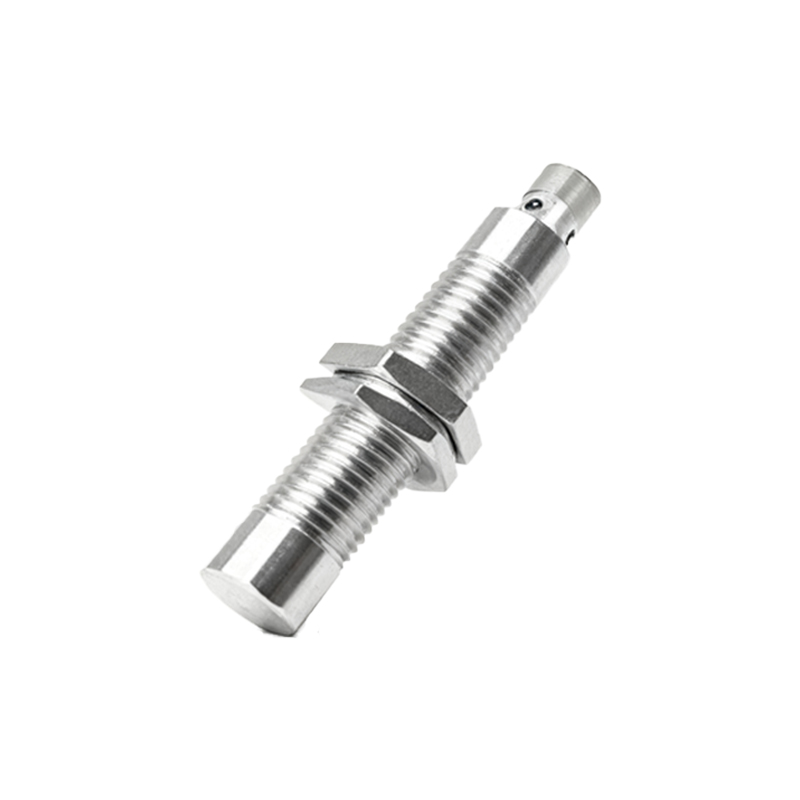
Installation and maintenance are relatively straightforward but require attention to detail. For flush mounting, ensure the surrounding material is non-metallic to achieve the stated sensing range. If a non-flush (bracket) mounting is used, the sensing distance increases, but the sensor becomes more susceptible to damage. Always maintain a sufficient gap between multiple sensors to prevent mutual interference of their electromagnetic fields. Regular maintenance involves simply wiping the sensing face clean of debris and verifying the indicator LED's operation during detection events. Their solid-state design means there are no moving parts to wear out, leading to exceptionally long service life.
In conclusion, the square proximity sensor is more than just a geometric variant; it is a purpose-engineered solution for modern industrial challenges. Its design prioritizes stability, durability, and ease of integration in tight spaces. By carefully matching the sensor's specifications—technology, range, environmental rating, and output—to the application's demands, engineers and designers can achieve unparalleled reliability in object detection. As automation continues to evolve towards more compact and modular systems, the role of the robust and versatile square proximity sensor is set to become even more central, providing the silent, unseen feedback that keeps processes flowing smoothly and efficiently.