Introduction to Inductive Proximity Sensors
Inductive proximity sensors are non-contact electronic devices designed to detect metallic objects without physical interaction. Operating on the principle of electromagnetic induction, these sensors generate an oscillating electromagnetic field. When a metallic target enters this field, eddy currents are induced, causing a change in the sensor's oscillation amplitude. This alteration is processed by the internal circuitry to trigger an output signal, typically a switch or digital signal. Known for their robustness, high switching frequency, and immunity to environmental factors like dust, oil, or moisture, inductive sensors are integral to modern industrial systems. They are commonly available in various form factors, including cylindrical, rectangular, and ring-shaped designs, catering to diverse installation needs. Their ability to function reliably in harsh conditions makes them a preferred choice for automation engineers seeking durability and precision.
Metal Detection in Manufacturing Lines
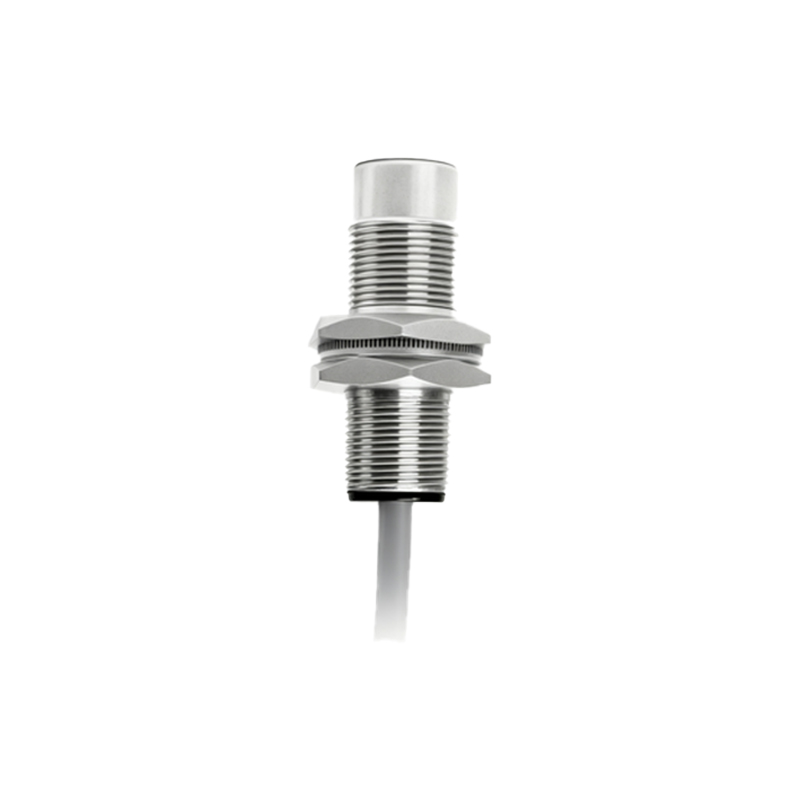
In manufacturing environments, inductive proximity sensors play a critical role in detecting metal components on assembly lines. For instance, in automotive production, sensors monitor the presence of engine parts, bolts, or chassis elements as they move along conveyors. They ensure proper positioning before robotic arms perform welding or assembly tasks, reducing errors and enhancing throughput. In metalworking industries, these sensors verify the existence of sheets or rods, triggering cutting or bending machines accurately. Their fast response time, often in microseconds, allows for high-speed operations without bottlenecks. Additionally, sensors with extended sensing ranges can detect larger objects, while miniature variants fit into tight spaces for precision applications. This versatility minimizes downtime and supports lean manufacturing principles by providing real-time feedback on material flow.
Position Sensing and Control Systems
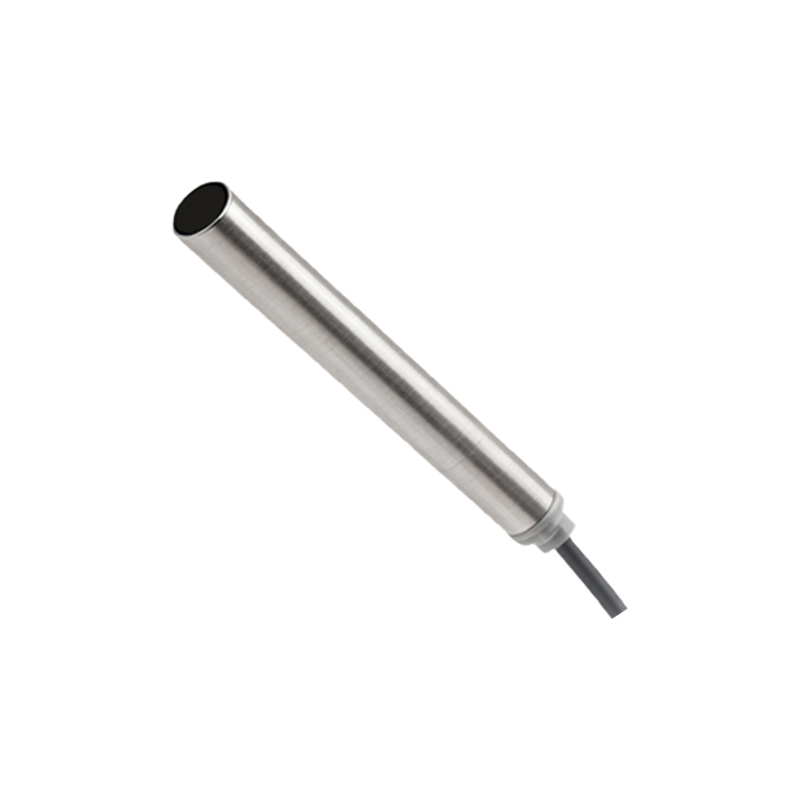
Position sensing is another key application where inductive proximity sensors excel. They are employed to determine the exact location of machine parts, such as cylinders, pistons, or sliders in hydraulic and pneumatic systems. In CNC machines, sensors detect tool positions or workpiece alignment, ensuring machining accuracy and repeatability. For automated guided vehicles (AGVs), sensors help navigate by identifying metal markers on floors, enabling precise movement in warehouses. In packaging machinery, they monitor fill levels or cap placements on metal containers, optimizing production efficiency. By integrating with programmable logic controllers (PLCs), these sensors contribute to closed-loop control systems, where feedback data adjusts operations dynamically. This enhances safety by preventing collisions or over-travel in mechanical systems, thereby protecting equipment and personnel.
Safety and Monitoring Applications
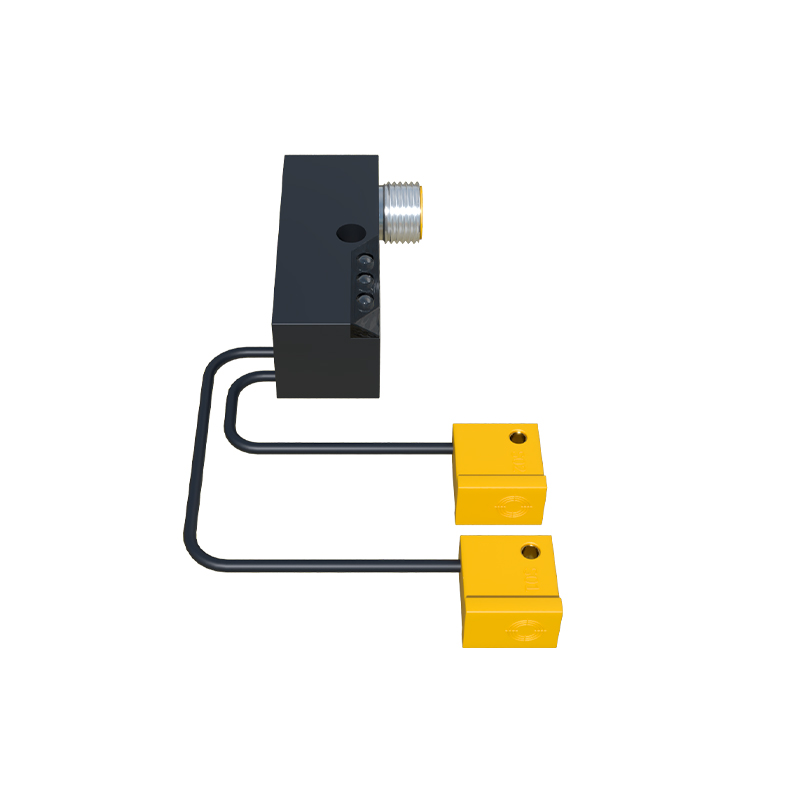
Safety is paramount in industrial settings, and inductive proximity sensors contribute significantly to hazard prevention. They are used in interlock systems to confirm that machine guards or doors are securely closed before initiating operations, reducing the risk of accidents. In heavy machinery like presses or stamping equipment, sensors detect the presence of operators' hands or tools, triggering emergency stops if intrusions occur. Monitoring applications include wear detection in rotating parts; for example, sensors can identify metal shavings or debris in lubrication systems, signaling maintenance needs before failures happen. In conveyor safety, sensors act as jam detectors by monitoring metal components' movement, alerting operators to blockages. Their non-contact nature ensures longevity without wear from physical interactions, making them reliable for continuous safety monitoring in demanding environments like mining or construction.
Integration with IoT and Industry 4.0
With the advent of Industry 4.0, inductive proximity sensors are evolving to support smart manufacturing. Modern sensors feature IO-Link or Ethernet connectivity, enabling data exchange with central networks for predictive maintenance and analytics. They can transmit parameters like temperature, signal strength, or diagnostic information to cloud platforms, allowing remote monitoring and optimization. In IoT-enabled factories, sensors help track metal assets in real-time, improving inventory management and supply chain visibility. For example, in a smart warehouse, sensors on shelves detect metal pallets, updating inventory databases automatically. This integration reduces manual checks and enhances operational transparency. Furthermore, advanced sensors with self-diagnostic capabilities can alert users to potential issues, such as contamination or misalignment, before they impact production, aligning with proactive maintenance strategies.
Challenges and Future Trends
Despite their advantages, inductive proximity sensors face challenges, such as limited detection to metals only and sensitivity to specific metal types (e.g., ferrous vs. non-ferrous). Engineers must carefully select sensors based on target material and environmental conditions to avoid false triggers. Looking ahead, trends include miniaturization for compact devices, enhanced sensing ranges, and improved resistance to extreme temperatures or pressures. Research into hybrid sensors combining inductive with capacitive or optical technologies may broaden application scopes. Additionally, energy-efficient designs are emerging to support sustainable operations. As industries embrace automation, the demand for smarter, more adaptable sensors will grow, driving innovation in this field. By addressing current limitations, future inductive