Introduction to Proximity Sensor Functionality
Proximity sensors in mobile devices are critical components that detect the presence of nearby objects without physical contact, primarily to conserve battery life and enhance user experience. These sensors typically use infrared (IR) technology, emitting an IR beam and measuring its reflection to determine object proximity. Common applications include screen dimming during calls or gesture recognition. Understanding their operation is essential for effective testing, as it involves evaluating sensitivity, response time, and accuracy under various conditions. Engineers must consider factors like ambient light interference and sensor calibration to ensure reliable performance in real-world scenarios.
Direct Measurement with Optical Tools
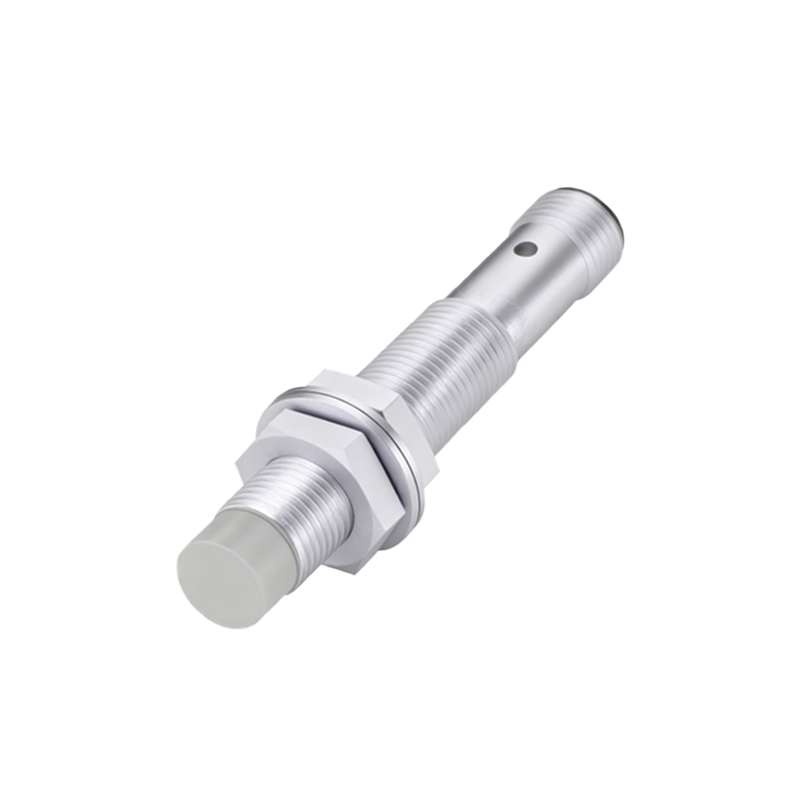
One fundamental testing method involves direct measurement using optical instruments such as spectrometers or photodiodes. This approach assesses the sensor's IR emission intensity and wavelength accuracy. By placing a calibrated reflector at known distances, testers can measure the reflected signal strength and compare it to expected values. This method is highly precise for laboratory settings, allowing for detailed analysis of sensor output curves and detection thresholds. It helps identify issues like signal drift or inconsistent readings, which are crucial for quality control in manufacturing.
Environmental Simulation Testing
Environmental simulation tests evaluate proximity sensors under varied conditions, including different lighting levels, temperatures, and humidity. Using controlled chambers, engineers can mimic real-world environments to check sensor resilience. For instance, testing in bright sunlight or low-light scenarios ensures the sensor filters out ambient IR noise effectively. This method also involves stress testing by cycling through extreme conditions to assess durability and long-term reliability. Results from these simulations inform design improvements and compliance with industry standards for mobile device robustness.
Automated Software-Based Validation
Automated testing through software scripts is a common method in production lines, leveraging device firmware to run diagnostic routines. Test programs send commands to the sensor, record response data, and compare it against predefined pass/fail criteria. This approach enables high-throughput testing, reducing human error and speeding up validation processes. Key metrics include response latency, detection range consistency, and false-positive rates. Software tools can also simulate object movements to test dynamic performance, ensuring sensors work seamlessly with other device components like touchscreens.
User Scenario Replication
Replicating real-user scenarios is vital for practical validation, involving tests like call proximity detection or pocket mode activation. Engineers use mock-ups of human hands or faces at varying distances to verify sensor behavior during typical usage. This method assesses functional integration, such as how quickly the screen turns off when a phone is held to the ear. It also checks for interference from accessories like cases or screen protectors. By mimicking everyday interactions, this testing ensures the sensor enhances user convenience without glitches.
Cross-Device Compatibility Checks
With the diversity of mobile devices, cross-compatibility testing ensures proximity sensors work consistently across different models and operating systems. This involves benchmarking sensors against industry standards and comparing performance with competitor devices. Testers evaluate factors like power consumption and interoperability with apps that rely on proximity data. This method helps identify optimization opportunities and ensures a uniform user experience, which is key for brand reputation in the competitive smartphone market.
Conclusion on Best Practices
Effective proximity sensor testing combines multiple methods to cover all aspects of performance, from technical accuracy to user-centric functionality. A holistic approach includes direct measurements for precision, environmental simulations for reliability, automated checks for efficiency, and scenario-based tests for practicality. Regular calibration and firmware updates are also recommended to maintain sensor accuracy over time. By adhering to these practices, engineers can deliver robust sensors that meet consumer expectations and industry demands, ultimately improving mobile device quality and safety.