Introduction to M20 Proximity Sensors
M20 proximity sensors are a cornerstone of modern industrial automation, renowned for their reliability and versatility. Characterized by their 20mm threaded cylindrical housing, these sensors are designed for robust performance in demanding environments. They operate on the principle of detecting the presence or absence of a target object without physical contact, utilizing technologies such as inductive, capacitive, or ultrasonic sensing. The M20 form factor has become an industry standard, offering a perfect balance between sensing range, mechanical strength, and ease of installation. Their primary function is to provide precise, non-contact detection of metallic or non-metallic objects, triggering control signals for machinery, counting, positioning, and safety applications. The widespread adoption of the M20 size ensures compatibility with a vast array of mounting fixtures and replacement parts across global manufacturing sectors.
Core Operating Principles and Technologies
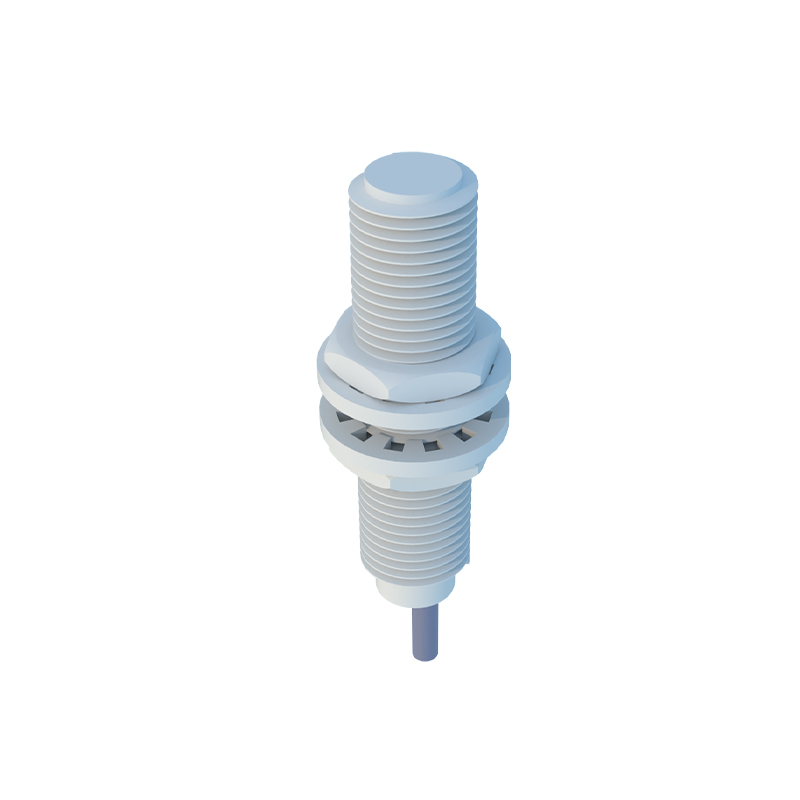
The functionality of an M20 proximity sensor hinges on its underlying technology. Inductive M20 sensors are the most common, generating an electromagnetic field to detect ferrous and non-ferrous metals. Their sensing range is typically up to 10mm for the M20 size. Capacitive M20 sensors can detect both metallic and non-metallic materials (liquids, plastics, wood) by measuring changes in capacitance. Ultrasonic M20 sensors use sound waves to detect objects and measure distance, suitable for challenging conditions with dust or vapor. Each technology integrated into the M20 housing offers distinct advantages. Inductive types excel in dirty environments and with metal targets, capacitive sensors handle diverse material detection, and ultrasonic variants provide excellent range and material independence. The choice depends entirely on the application's specific material, environmental, and range requirements.
Key Specifications and Performance Metrics
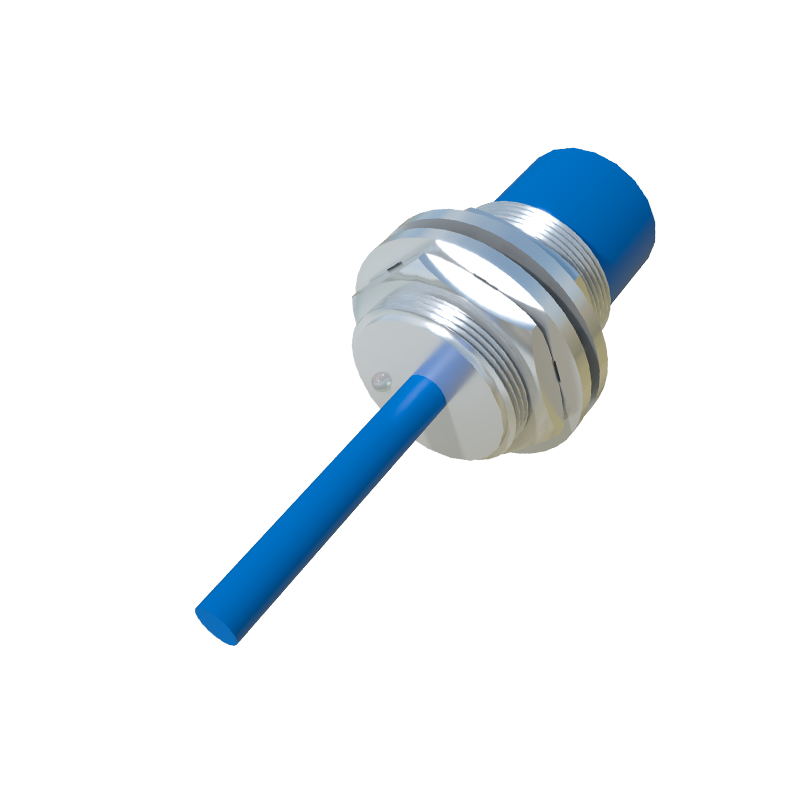
Selecting the right M20 proximity sensor requires a thorough understanding of its key specifications. The nominal sensing distance (Sn) is a critical parameter, defining the standard detection range under ideal conditions. For inductive M20 sensors, this is often 8mm or 10mm. The operating voltage range, commonly 10-30V DC or 20-250V AC, must match the control system's power supply. Output configuration is another vital consideration, including PNP (sourcing), NPN (sinking), or analog outputs, and the type of switching element (normally open or normally closed). Environmental ratings, particularly the Ingress Protection (IP) code (e.g., IP67, IP69K), indicate resilience against dust and water ingress. Additional factors like temperature range, short-circuit protection, and response frequency complete the performance profile, ensuring the M20 sensor can withstand the operational stresses of its intended application.
Installation, Mounting, and Wiring Guidelines
Proper installation is paramount for optimal M20 sensor performance and longevity. The 20mm thread allows for secure mounting in drilled and tapped holes or via standard mounting nuts. It is crucial to observe the recommended mounting flush or non-flush conditions as specified by the manufacturer, as this directly affects the effective sensing range. Adequate clearance from surrounding metal (to prevent false triggering) and protection from physical damage must be ensured. Wiring must adhere strictly to the datasheet diagrams. For DC sensors, correct polarity and load connection are essential. Shielded cables are recommended in electrically noisy environments to prevent electromagnetic interference. A secure mechanical installation and correct electrical connection form the foundation for reliable, maintenance-free operation over extended periods.
Common Industrial Applications and Use Cases
The application spectrum for M20 proximity sensors is exceptionally broad. In automotive manufacturing, they are used for part presence verification on assembly lines and robotic tooling positioning. In material handling, they facilitate precise object counting on conveyors and pallet positioning. Packaging machinery relies on them for fill-level control and label detection. They are integral to CNC machines for tool change verification and end-of-travel limit sensing. Furthermore, their robust construction makes them suitable for harsh environments like food and beverage processing (with appropriate hygienic coatings) and metal stamping presses. Their primary roles include position feedback, object detection for process initiation, safety interlocking, and continuous monitoring within complex automated systems.
Troubleshooting and Maintenance Best Practices
Despite their durability, M20 sensors may require troubleshooting. Common issues include failure to detect targets, intermittent operation, or constant output activation. Initial checks should verify power supply voltage, correct wiring, and that the target is within the specified sensing range and material compatibility. Environmental factors like accumulated debris, metallic chips, or strong magnetic fields can interfere with operation. Regular maintenance involves periodic cleaning of the sensor face to remove contaminants and visual inspection for physical damage. Using a multimeter to check output switching or a dedicated sensor tester can quickly diagnose electrical faults. Implementing a proactive maintenance schedule significantly reduces un