Introduction to LP68 Proximity Switch Sensors
The LP68 proximity switch sensor represents a cornerstone in modern industrial automation, offering reliable non-contact detection for a myriad of applications. Engineered for durability and precision, these inductive sensors are designed to detect the presence or absence of metallic objects without physical contact. The LP68 series typically features a cylindrical M18 housing, making it a versatile choice for integration into machinery, conveyor systems, and robotic cells. Its robust construction ensures consistent performance in challenging environments, including those with dust, moisture, or vibration. By generating an electromagnetic field, the sensor reacts when a metallic target enters its sensing range, triggering an output signal that can control other components in an automated system. This fundamental operation underpins countless processes, from simple part counting to complex positioning tasks, highlighting its indispensable role in enhancing efficiency and safety on the factory floor.
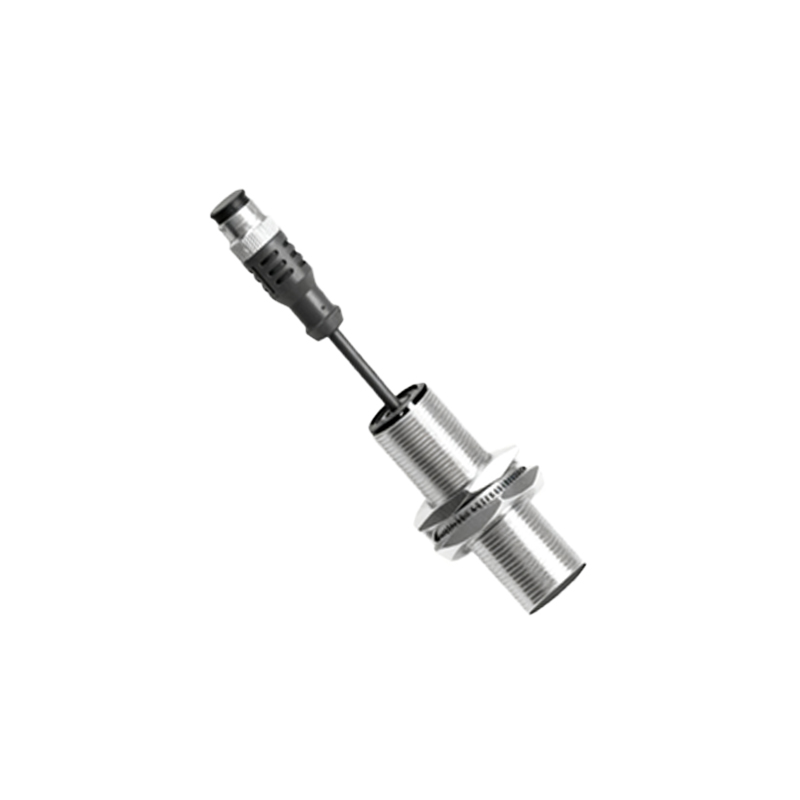
Key Technical Specifications and Operating Principles
Understanding the technical parameters of the LP68 sensor is crucial for optimal deployment. These sensors operate on the principle of electromagnetic induction. An oscillator circuit within the sensor generates a high-frequency alternating magnetic field at its active face. When a ferrous or non-ferrous metal object enters this field, eddy currents are induced in the target, causing a change in the oscillation amplitude. This change is detected by the sensor's circuitry, which subsequently switches its solid-state output. Key specifications include a standard sensing distance, often up to 8mm for steel targets, with factors like target material, size, and shape influencing the effective range. The LP68 is commonly available in both Normally Open (NO) and Normally Closed (NC) output configurations, with options for 2-wire, 3-wire DC (NPN or PNP), or AC/DC versions. Operating voltage ranges typically span from 10-30V DC or 20-250V AC, ensuring compatibility with various control systems. Additionally, features like short-circuit and reverse polarity protection, along with high switching frequencies, make it suitable for high-speed applications.
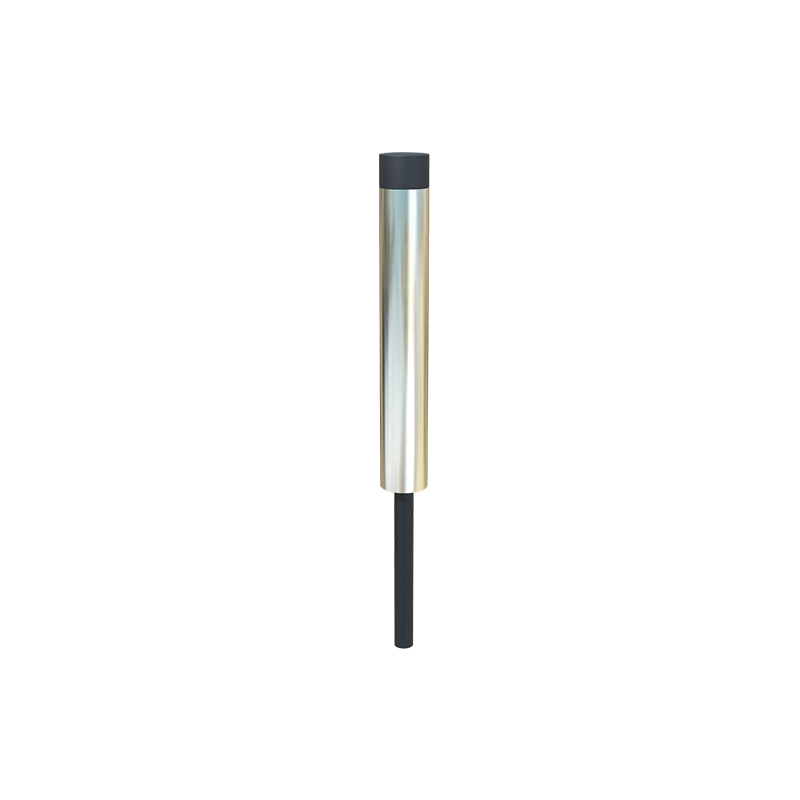
Installation and Wiring Best Practices
Proper installation is paramount to ensure the longevity and accuracy of LP68 proximity sensors. The sensor should be mounted securely using appropriate brackets or locknuts, ensuring it is aligned correctly with the target's path of movement. It is essential to maintain the specified mounting distances between multiple sensors to prevent mutual interference. For flush-mountable versions, they can be installed level with a metal surface, while non-flush types require a clear surrounding area for their extended sensing field. Wiring must adhere to the manufacturer's guidelines; incorrect connections can lead to malfunction or permanent damage. For DC 3-wire models, the brown wire is typically connected to the positive supply, the blue wire to the negative, and the black wire is the output signal. Shielding the cable in electrically noisy environments is recommended to prevent false triggering. Always verify the sensor's operation with the intended target material before finalizing the installation, as different metals can alter the sensing characteristics.
Common Industrial Applications and Use Cases
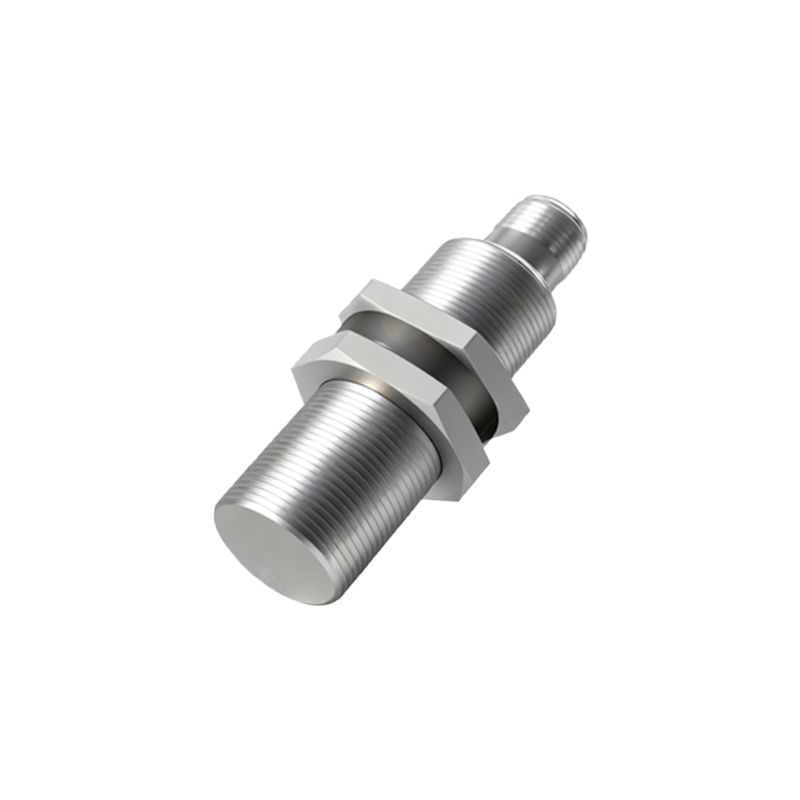
The LP68 proximity sensor finds extensive use across diverse industrial sectors due to its robustness and reliability. In automotive manufacturing, it is employed for part presence verification on assembly lines, such as detecting engine blocks or brake components. Packaging machinery utilizes these sensors for monitoring product flow, detecting jams, and ensuring correct fill levels. Within material handling, they are integral to conveyor systems for counting boxes, detecting pallet positions, and initiating sorting operations. The metalworking industry relies on them for tool positioning on CNC machines and monitoring spindle orientation. Furthermore, in automated storage and retrieval systems (AS/RS), LP68 sensors provide precise feedback for shuttle positioning and load detection. Their sealed construction, often meeting IP67 or higher ingress protection ratings, allows deployment in washdown areas of food and beverage plants or outdoor applications where exposure to weather is a concern.
Troubleshooting and Maintenance Guidelines
Even with high reliability, occasional issues may arise with LP68 sensors. Common problems include failure to detect targets, intermittent operation, or constant output activation. Initial troubleshooting should involve checking the power supply voltage with a multimeter to ensure it is within the specified range. Verify the wiring connections for looseness or corrosion. Inspect the sensor's sensing face for an accumulation of debris, metal chips, or paint, which can insulate the target and reduce the effective sensing distance. Ensure that the target material, size, and approach speed are within the sensor's specifications. Environmental factors like extreme temperatures, strong magnetic fields, or chemical splashes can also affect performance. Regular maintenance involves periodic cleaning of the sensor face and visual inspection for physical damage. For diagnostics, many modern sensors incorporate an LED status indicator that provides