In the realm of industrial automation, robotics, and consumer electronics, proximity sensors are indispensable components. They detect the presence or absence of an object within a specific range without physical contact, enabling countless automated processes. Understanding the various proximity sensor models is crucial for selecting the right device for any application. This guide delves into the primary types, their operating principles, and typical use cases.
The most common categorization of proximity sensors is based on their sensing technology. Inductive proximity sensors are widely used for detecting metallic objects. They generate an electromagnetic field, and when a metal target enters this field, it induces eddy currents, causing a change in the sensor's oscillation amplitude. This change triggers the output switch. These models are highly reliable, resistant to environmental factors like dust and moisture, and are ideal for manufacturing environments to detect machine parts, position metal components, or count metallic items. Common housing styles include cylindrical (e.g., M8, M12, M18, M30 threaded barrels) and rectangular blocks.
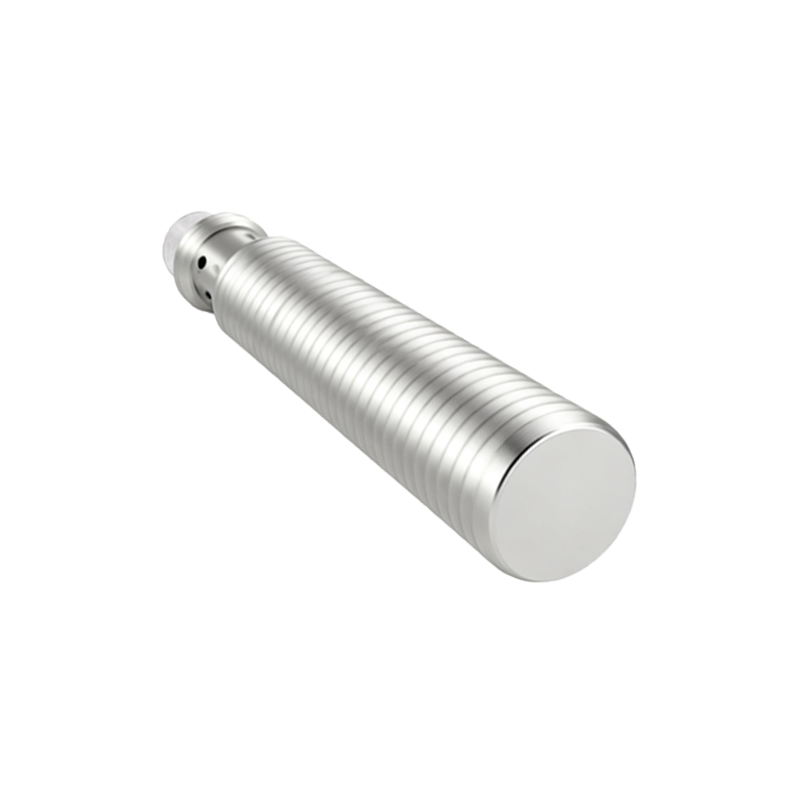
Capacitive proximity sensors, on the other hand, can detect both metallic and non-metallic materials such as liquids, plastics, wood, and granules. They function by generating an electrostatic field. Any object that enters this field alters the capacitance of the sensor's circuit, prompting a state change. This makes them versatile for applications like liquid level detection in tanks, material handling of non-metallic products, or touch-sensitive interfaces. Their sensing range is generally shorter than inductive models but can be adjusted for sensitivity to different materials.
For longer-range detection and sensing of all materials, photoelectric sensors are a premier choice. These models operate by emitting a beam of light (visible red, infrared, or laser) and detecting its reflection. They are subdivided into three main configurations: through-beam (separate emitter and receiver), retro-reflective (uses a reflector), and diffuse (reflects off the target itself). Photoelectric sensors excel in packaging lines, conveyor systems, and automated storage where precise detection over distances from a few centimeters to several meters is required.
Ultrasonic proximity sensors use sound waves beyond the human hearing range. They measure the time taken for an emitted sound pulse to reflect off a target and return. This time-of-flight principle allows them to detect objects of virtually any material, shape, or color, and they are particularly effective in challenging environments with dust, smoke, or varying light conditions. Applications include distance measurement, pallet detection in logistics, and level monitoring of bulk solids.
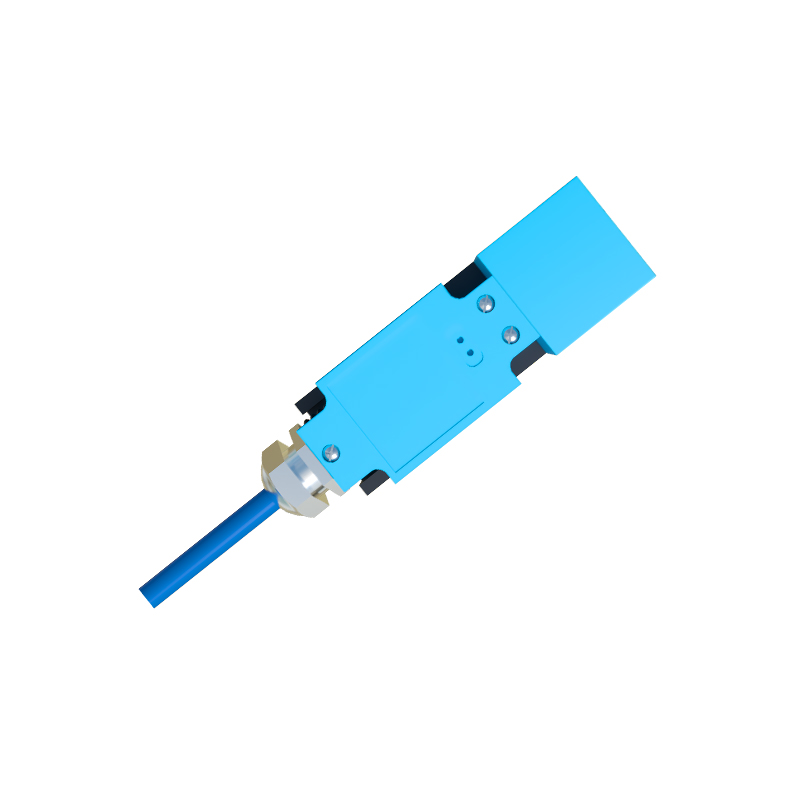
When selecting a proximity sensor model, key specifications must be evaluated. The sensing distance, or nominal range, is paramount. It is defined for a standard target and can vary with material and environmental conditions. The output type is another critical factor; models offer digital outputs like NPN (sinking), PNP (sourcing), or analog outputs (4-20mA, 0-10V) for continuous distance measurement. The housing material, typically nickel-plated brass or stainless steel, determines resistance to chemicals and physical impact. Connection styles include pre-wired cables, quick-disconnect connectors, or terminal blocks.
Installation considerations are equally important. Sensors must be mounted correctly to avoid mutual interference, especially inductive models. Ensuring the correct voltage supply (commonly 10-30V DC or 90-250V AC) and load current compatibility is essential for system integration. Modern models also feature advanced diagnostics like IO-Link communication, which provides detailed status information and enables parameter setting remotely.
From the compact inductive sensor ensuring a robotic gripper has picked up a part, to the ultrasonic sensor managing inventory in a dark warehouse, each proximity sensor model serves a distinct purpose. The evolution continues with miniaturization, enhanced intelligence, and improved robustness, pushing the boundaries of what automated systems can achieve. By matching the sensor technology—inductive, capacitive, photoelectric, or ultrasonic—to the specific target material, required range, and environmental conditions, engineers can build more efficient, reliable, and smarter automated solutions.