Introduction to Proximity Switch Sensors
Proximity switch sensors are fundamental components in modern industrial automation, providing non-contact detection of metallic objects. Operating on the principle of electromagnetic induction or capacitive sensing, these devices offer high reliability, long service life, and immunity to environmental factors like dust and oil. In high-power industrial environments, the 380V AC rating is a common standard, aligning with the three-phase power systems prevalent in manufacturing facilities, heavy machinery, and processing plants worldwide. This voltage specification is crucial for direct integration into control circuits without the need for additional step-down transformers, simplifying system design and enhancing robustness.
Key Features of 380V Proximity Sensors
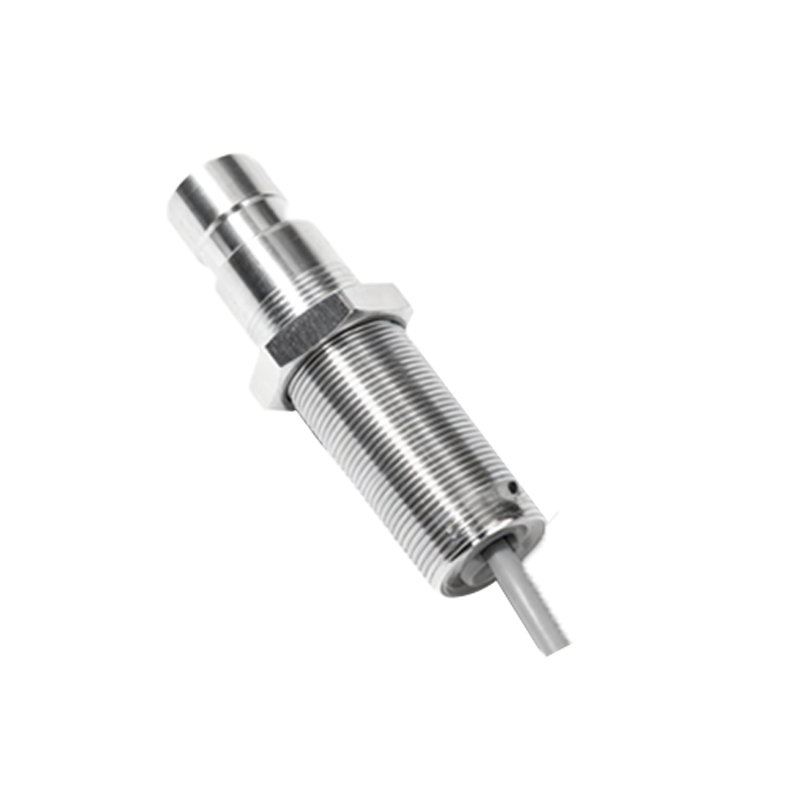
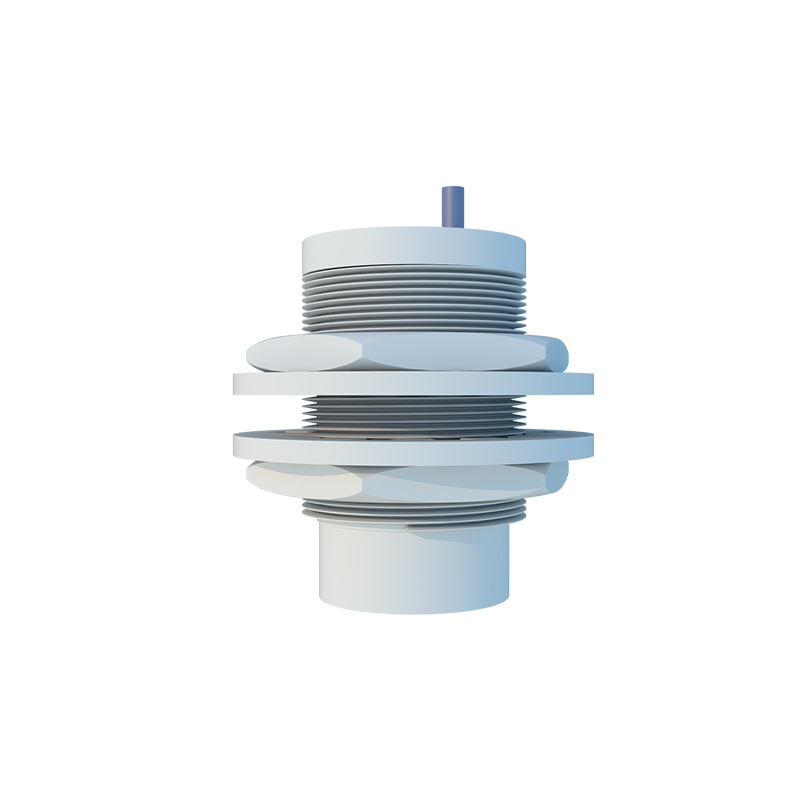
Sensors rated for 380V AC are engineered for demanding applications. They typically feature robust housings, often in nickel-plated brass or stainless steel, to withstand harsh conditions. The core operational advantage is their ability to interface directly with high-voltage control elements like contactors, motor starters, and programmable logic controller (PLC) input modules designed for industrial power levels. Key electrical characteristics include a wide operating voltage range (often 20-250V AC or 90-250V AC, with 380V as a maximum or nominal rating), various output types (typically NPN/PNP for DC models, but for 380V AC, two-wire or three-wire AC outputs are standard), and short-circuit and overload protection. Sensing distances vary by model and target material but are precisely defined for consistent performance.
Operating Principles and Types
The most common type used in 380V environments is the inductive proximity sensor. It generates an electromagnetic field from its oscillator circuit. When a ferrous or non-ferrous metal target enters this field, it causes eddy currents, dampening the oscillations. This change is detected, triggering the solid-state switch output. For 380V AC models, the output is usually a solid-state AC switch (like a TRIAC). Capacitive variants can detect non-metallic materials and operate on a similar high-voltage principle but by sensing changes in capacitance. The choice between shielded (flush-mountable) and unshielded designs depends on the installation environment and required sensing range.
Critical Application Areas
380V proximity sensors are indispensable in sectors requiring high-power control. Primary applications include machine tooling for position detection of tool heads and workpieces, material handling systems for pallet and object detection on conveyor belts, packaging machinery for counting and positioning, and automotive assembly lines for robotic guidance and part verification. They are also vital in heavy industries such as metal stamping, die-casting, and crane systems, where their high voltage rating ensures reliable operation amidst electrical noise and power surges typical of such environments.
Installation and Wiring Considerations
Correct installation is paramount for safety and functionality. Engineers must adhere to the sensor's datasheet specifications for mounting, sensing distance, and temperature ranges. Wiring a 380V sensor requires strict compliance with local electrical codes. Typically, a two-wire AC sensor is connected in series with the load (e.g., a PLC input or contactor coil) across the 380V L1 and N (or L2) lines. A three-wire AC sensor has separate power (L1), output (to load), and common (N) wires. Proper grounding, use of conduit, and protection against vibration are essential. A critical practice is to ensure the sensor's leakage current (inherent in AC two-wire designs) is compatible with the connected load to prevent false triggering.
Advantages Over Lower Voltage Counterparts
Utilizing 380V sensors offers distinct system-level benefits. It eliminates the need for intermediate relays or voltage converters in many control cabinets, reducing component count, cost, and potential failure points. This direct compatibility leads to faster response times as there is no relay switching delay. The design simplifies cabinet layout and wiring, as the same power supply runs both the power devices and the sensors. Furthermore, these sensors are inherently suitable for long cable runs sometimes necessary in large industrial plants, with minimal concern for voltage drop affecting signal integrity compared to some low-voltage DC sensors.
Maintenance and Troubleshooting Guidelines
While known for durability, 380V proximity sensors require periodic checks. Common issues include false signals due to accumulated metallic debris on the sensing face, physical damage from collisions, or electrical failure from sustained overvoltage. Troubleshooting begins with verifying power supply voltage and load compatibility. Using a multimeter, technicians can check for output switching when a target is presented. Environmental factors like extreme temperatures, strong adjacent electromagnetic fields, or incompatible chemicals can degrade performance. Implementing preventive maintenance schedules for cleaning and inspection significantly extends operational life.