Introduction to Proximity Light Sensors
Proximity light sensors, a critical component in modern automation and safety systems, detect the presence or absence of objects within a specified range without physical contact. The "8x" designation typically refers to a specific model series or configuration, often indicating enhanced sensitivity, multiple sensing points, or a particular form factor. These sensors operate by emitting a beam of light, often infrared, and measuring the reflection. Their applications are vast, spanning from consumer electronics to heavy industrial machinery. Understanding their optimal placement and integration is paramount for system efficiency and reliability.
Core Applications in Consumer Electronics
One of the most prevalent locations for 8x proximity light sensors is within consumer electronic devices. In smartphones and tablets, these sensors are strategically placed near the earpiece. Their primary function is to detect when the device is held close to the user's face during a call, automatically deactivating the touchscreen to prevent accidental inputs and conserving battery life. Similarly, in laptops and all-in-one PCs, they can be found near the webcam housing. Here, they enable features like automatic screen dimming when a user looks away or presence detection to wake the device from sleep mode, enhancing both user experience and energy efficiency.
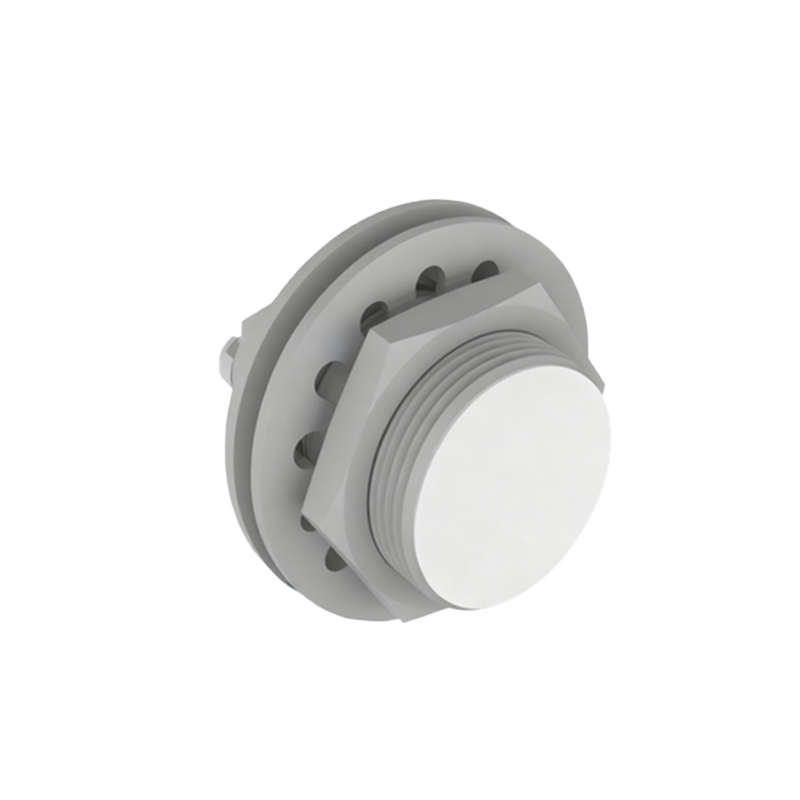
Integration in Industrial Automation
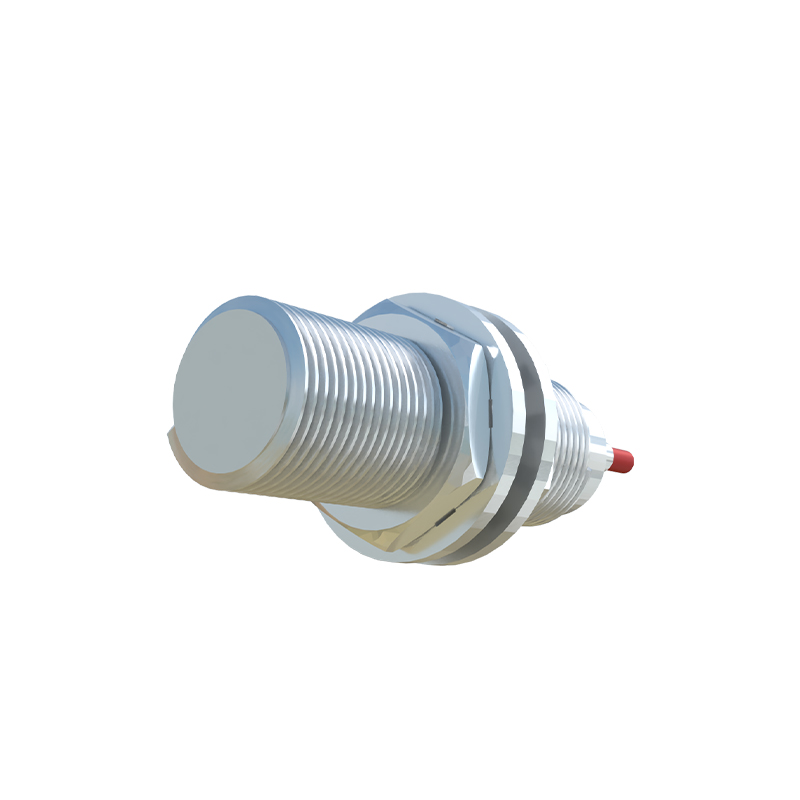
The industrial sector heavily relies on 8x proximity sensors for precision and safety. On automated assembly lines, they are mounted on robotic arms or along conveyor belts. Their role is to detect the precise position of components, count objects, or verify the correct placement of parts before a subsequent manufacturing step. In packaging machinery, these sensors ensure that items are correctly positioned for sealing or labeling. Their robust design allows them to function reliably in environments with dust, vibration, and variable lighting conditions, making them indispensable for maintaining high throughput and quality control.
Role in Automotive Systems
Modern vehicles incorporate numerous 8x proximity light sensors to augment safety and convenience. They are commonly located in the bumpers and side skirts for parking assistance systems. These sensors create an invisible detection field around the vehicle, alerting the driver to nearby obstacles with audible or visual cues. Furthermore, inside the cabin, they may be integrated into the dashboard or overhead console to enable gesture control for infotainment systems or to monitor driver alertness by detecting head position, contributing to advanced driver-assistance systems (ADAS).
Implementation in Home and Building Automation
Smart homes and commercial buildings utilize these sensors to create intelligent, responsive environments. You can find 8x proximity light sensors embedded in automatic doors, where they detect approaching persons to trigger opening mechanisms smoothly and safely. In lighting control systems, they are installed in ceilings or walls in rooms like bathrooms, closets, or corridors. They activate lights only when occupancy is detected, leading to significant energy savings. Additionally, they are integrated into smart faucets and soap dispensers in public restrooms, promoting hygiene and reducing water waste through touchless operation.
Placement in Medical and Laboratory Equipment
Precision and hygiene are critical in medical settings, and 8x proximity sensors play a vital role. In automated analyzers and diagnostic machines, they are positioned to detect the presence of sample vials or reagent cassettes, ensuring proper loading before analysis begins. They are also found in hands-free surgical equipment or sanitization stations, allowing healthcare professionals to operate devices without physical contact, thereby maintaining a sterile field. Their high reliability is essential for equipment that must function flawlessly to support patient care and accurate test results.
Considerations for Optimal Sensor Placement
Identifying the correct location for an 8x proximity light sensor requires careful analysis. Key factors include the sensor's sensing range and beam pattern, which must align with the target object's size and approach path. Environmental interference, such as ambient light (especially sunlight), dust, or reflective backgrounds, must be mitigated, possibly through sensor shielding or filtering algorithms. The mounting angle and physical housing should protect the sensor lens from contamination and mechanical damage. Finally, the placement must facilitate easy integration with the control circuitry, ensuring stable signal transmission and power supply for consistent performance.
Future Trends and Emerging Locations
The application landscape for 8x proximity sensors is continuously expanding. Emerging fields include collaborative robotics (cobots), where sensors embedded in the robot's casing enable safe interaction with human workers by detecting unexpected proximity. In augmented and virtual reality (AR/VR) headsets, they are used for accurate head-tracking and to detect when the headset is worn. Furthermore, the growth of the Internet of Things (IoT) sees these sensors being deployed in novel locations, such as agricultural drones for crop monitoring or in inventory management systems using