Understanding High Precision Proximity Sensors
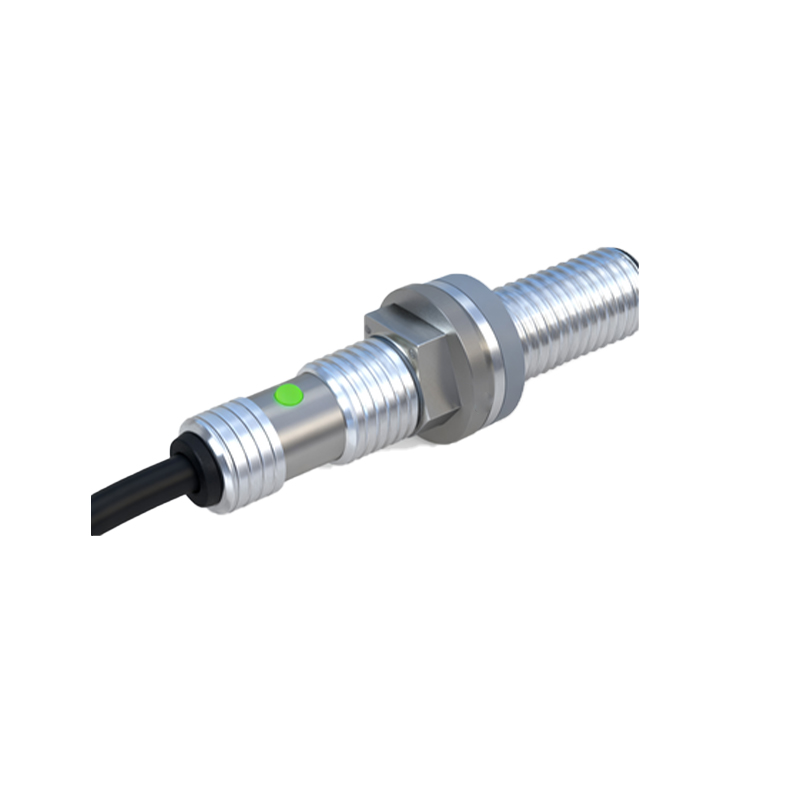
High precision proximity sensors represent a critical component in modern industrial automation, robotics, and quality control systems. These advanced devices detect the presence, absence, or position of an object with exceptional accuracy and repeatability, often without any physical contact. Unlike standard sensors, high-precision variants offer micron-level resolution, ultra-fast response times, and remarkable stability across varying environmental conditions. They operate on principles such as inductive, capacitive, ultrasonic, or photoelectric sensing, each chosen based on the target material and application requirements. The demand for such precision is driven by industries where minute errors can lead to significant product defects, machinery damage, or safety hazards. Selecting the right supplier for these sophisticated components is therefore not merely a procurement task but a strategic decision impacting production efficiency and product quality.
Key Criteria for Evaluating Suppliers
When sourcing high precision proximity sensors, engineers must look beyond basic specifications. The foremost criterion is the supplier's technical expertise and ability to provide comprehensive application support. A reputable supplier should offer detailed datasheets with clear information on linearity, repeatability, hysteresis, and temperature drift. The quality of manufacturing and the consistency of performance from unit to unit are paramount. It is essential to assess the supplier's research and development capabilities, as this indicates their commitment to innovation and adapting to emerging industry challenges, such as miniaturization or increased resistance to electromagnetic interference. Furthermore, compliance with international standards (e.g., IEC, UL, CE) and the availability of rigorous testing and calibration certificates are non-negotiable for ensuring reliability in critical applications.
Leading Global Suppliers and Their Specializations
The market for high precision proximity sensors is served by several established global leaders and specialized niche players. Companies like Pepperl+Fuchs, Sick AG, and Balluff GmbH are renowned for their extensive portfolios of inductive and photoelectric sensors, offering models with exceptional resolution for positioning tasks in automotive assembly and packaging machinery. Omron and Keyence Corporation are often highlighted for their innovative solutions in electronics manufacturing, providing sensors with sub-micron capabilities for wafer handling and component placement. For applications requiring extreme precision in harsh environments, such as metalworking or aerospace, suppliers like Turck Banner and ifm electronic provide robust, high-performance sensors. Each supplier often has a distinct strength, whether in ultra-compact designs, analog output versatility, or exceptional resistance to contaminants like coolants or metal shavings.
The Importance of Customization and Engineering Support
Off-the-shelf solutions may not suffice for complex or unique applications. Therefore, a supplier's capability for customization is a significant differentiator. This can include tailoring the sensing range, output signal (e.g., IO-Link, analog voltage/current), housing material, or connector type. Top-tier suppliers employ application engineers who work directly with clients to understand specific challenges—such as detecting tiny components, differentiating between similar materials, or operating in high-vibration settings—and recommend or develop tailored sensor solutions. This level of technical partnership reduces integration time, minimizes trial-and-error, and ensures optimal system performance. The availability of detailed 3D models, configuration software, and simulation tools further streamlines the design-in process for engineering teams.
Supply Chain Reliability and Long-Term Partnership
In today's global manufacturing landscape, the reliability of a supplier's supply chain is as crucial as the product's technical merits. Engineers must evaluate a supplier's production capacity, lead time consistency, and geographic distribution network. A supplier with multiple manufacturing facilities and a robust inventory management system can mitigate risks associated with component shortages or logistical disruptions. Furthermore, a long-term partnership perspective is vital. Suppliers who guarantee long-term product availability, provide firmware updates for smart sensors, and offer comprehensive after-sales service and repair programs add immense value. This ensures the longevity and maintainability of the machinery in which these precision sensors are installed, protecting the client's capital investment.
Future Trends and Supplier Adaptation
The future of high precision proximity sensing is intertwined with Industry 4.0 and the Industrial Internet of Things (IIoT). Leading suppliers are increasingly integrating intelligent features into their sensors, such as built-in diagnostics, condition monitoring, and direct cloud connectivity via protocols like OPC UA. These "smart sensors" can predict maintenance needs, optimize processes in real-time, and provide valuable data for analytics. Suppliers at the forefront are also investing in technologies like LiDAR and time-of-flight sensing for 3D positioning applications. Evaluating a supplier's roadmap and their commitment to these evolving trends is essential for ensuring that your chosen sensor technology remains relevant and capable of supporting digital transformation initiatives in the years to come.
SEO描述