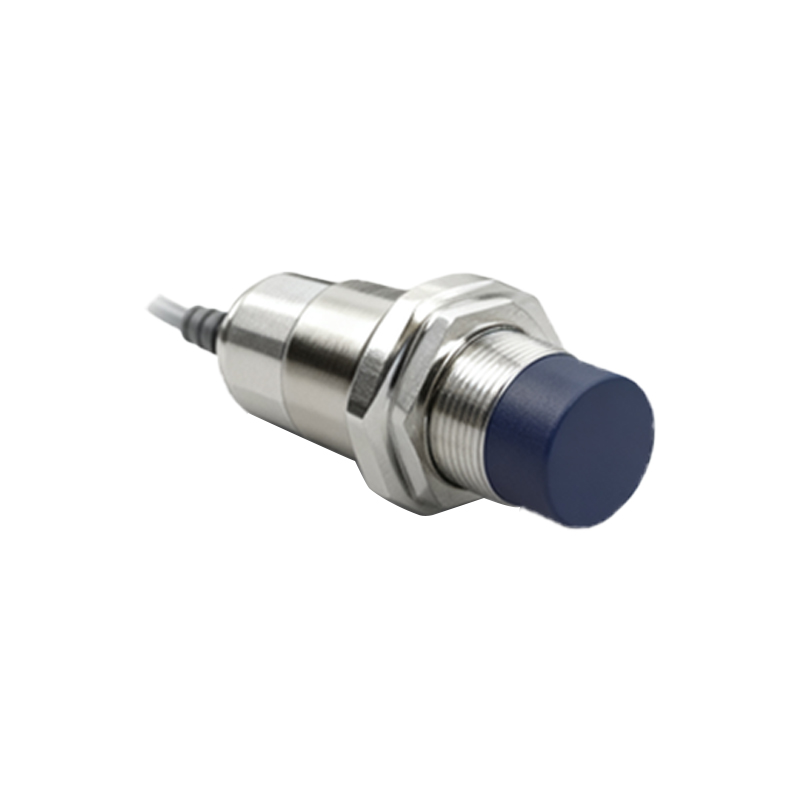
Proximity sensors, the silent workhorses of automation, are crucial for countless applications from smartphones to assembly lines. Their ability to detect the presence or absence of an object without physical contact makes them indispensable. When it comes to purchasing, the "price" is often the first question, but it's rarely a simple answer. The cost of a proximity sensor is a spectrum, influenced by a complex interplay of technology, specifications, and market factors.
At the core, the sensing technology dictates a significant portion of the base price. Inductive sensors, designed for detecting metals, are generally the most economical, with basic models starting as low as $15 to $30 USD. Capacitive sensors, which can detect both metallic and non-metallic materials like liquids or plastics, typically carry a 20-40% premium over their inductive counterparts for similar ranges and housing sizes. For longer ranges or specific material detection (like transparent glass), ultrasonic sensors are employed, with prices often beginning in the $50 to $100 range. Photoelectric sensors, offering the longest ranges and high precision, span a wide band from $30 for basic diffuse models to several hundred dollars for advanced, background-suppression or fiber-optic types. Magnetic (reed switch or Hall effect) sensors are usually on the lower end, similar to basic inductive sensors.
Beyond the core technology, specifications dramatically alter the price. Sensing range is a primary driver; a sensor with a 2mm range will cost substantially less than one rated for 20mm, even within the same technology family. The housing material and design also matter: a standard cylindrical M18 or M30 metal housing is cost-effective, while specialized rectangular, nickel-plated brass, or FDA-approved stainless-steel housings for harsh environments (washdown, chemical exposure) can double or triple the price. Output type plays a role too. A basic 2-wire AC/DC or 3-wire NPN/PNP transistor output is standard. Sensors with analog outputs (4-20mA, 0-10V), IO-Link digital communication, or relay outputs command higher prices due to added circuitry and functionality.
Environmental ratings are non-negotiable cost factors. An IP67-rated sensor (dust-tight and protected against temporary immersion) is common. However, requiring an IP68, IP69K (for high-pressure, high-temperature washdown), or NEMA ratings for extreme industrial environments adds to the manufacturing cost and, consequently, the purchase price. Special certifications for use in hazardous locations (ATEX, IECEx) involve rigorous testing and design, leading to a significant price jump, often placing such sensors in a premium category regardless of other specs.
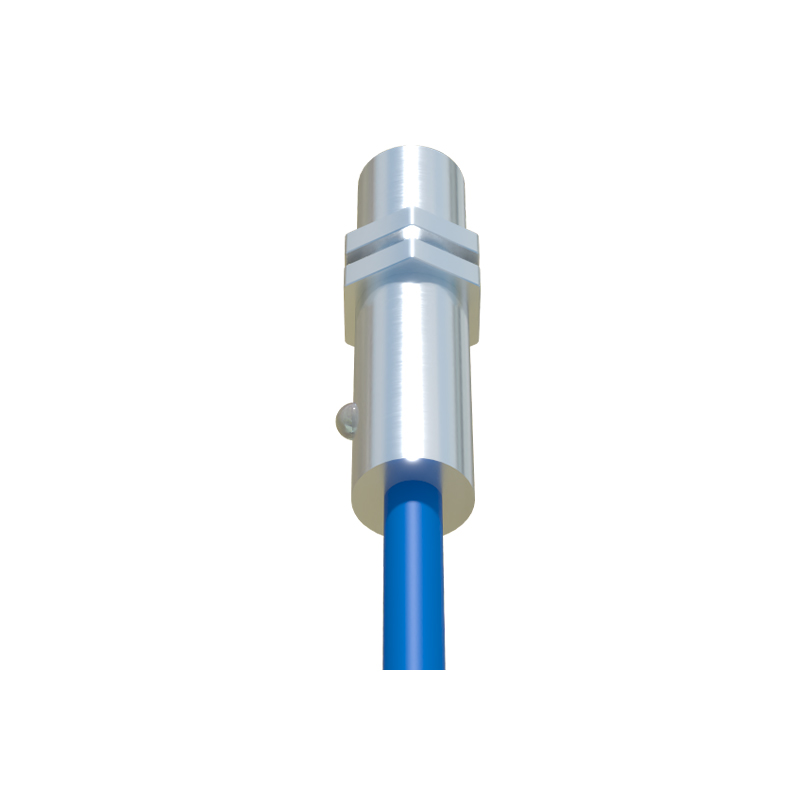
Brand reputation and supply chain positioning influence market pricing. Established global brands like Siemens, Omron, Pepperl+Fuchs, and Banner Engineering are associated with high reliability, extensive technical support, and global availability, which is reflected in their pricing, typically at a premium. Mid-tier and value-oriented brands offer competitive alternatives, often at 20-40% lower cost, while maintaining good performance for standard applications. Furthermore, purchasing directly from a manufacturer or authorized distributor usually costs more than sourcing from a broad-line industrial supplier or online marketplace, though the latter may involve trade-offs in warranty, authenticity, and support.
So, what are the actual price ranges? For common inductive and capacitive sensors in standard housings (M8, M12, M18), expect a range of $20 to $80 per unit. Photoelectric sensors typically range from $30 to $200+. Ultrasonic sensors often start at $50 and can exceed $300. It is critical to note that these are list price estimates for single units. Volume purchasing through official channels can yield substantial discounts, sometimes reducing unit cost by 25% or more for large orders.
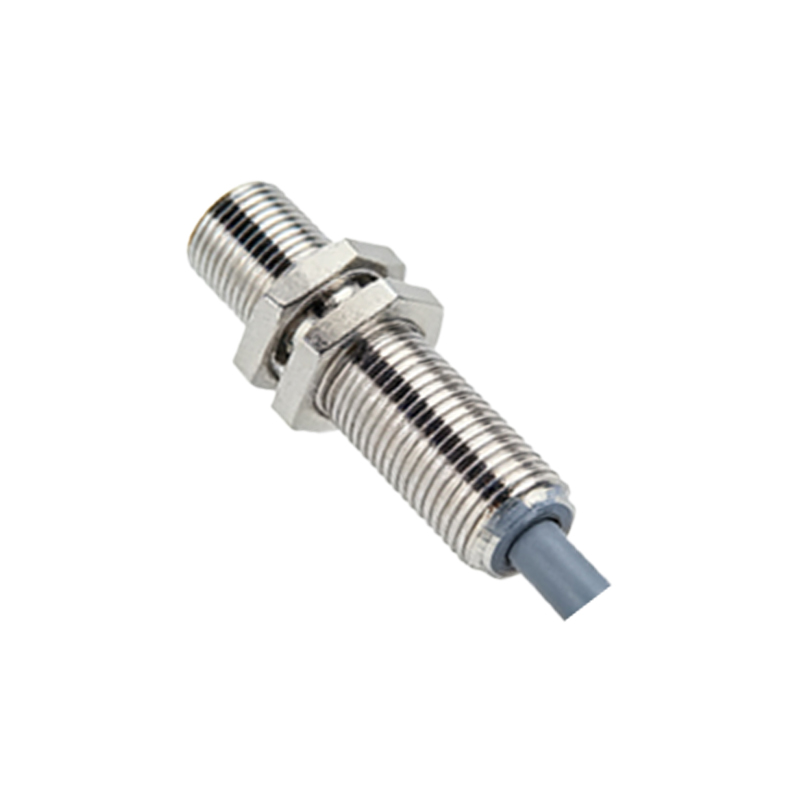
To navigate purchasing wisely, first define the application with absolute clarity: target material, required sensing distance, environmental conditions (temperature, contaminants), needed output signal, and response speed. Avoid over-specifying; buying a sensor with a 100mm range when 10mm suffices is an unnecessary expense. Secondly, source samples from shortlisted models for real-world testing before committing to a bulk order. This validates performance and prevents costly mismatches. Finally, consider the total cost of ownership. A slightly cheaper sensor that fails prematurely or causes production downtime is far more expensive than a reliable, moderately priced unit. Factor in availability, lead times, and the supplier's technical support capability.
In conclusion, approaching proximity sensor procurement with a focus solely on the lowest unit price is a strategic error. A holistic view that balances technical requirements, operational environment, brand value, and lifecycle costs leads to a truly cost-effective and reliable automation solution. The right sensor is an investment in seamless operation, not just a component purchase.