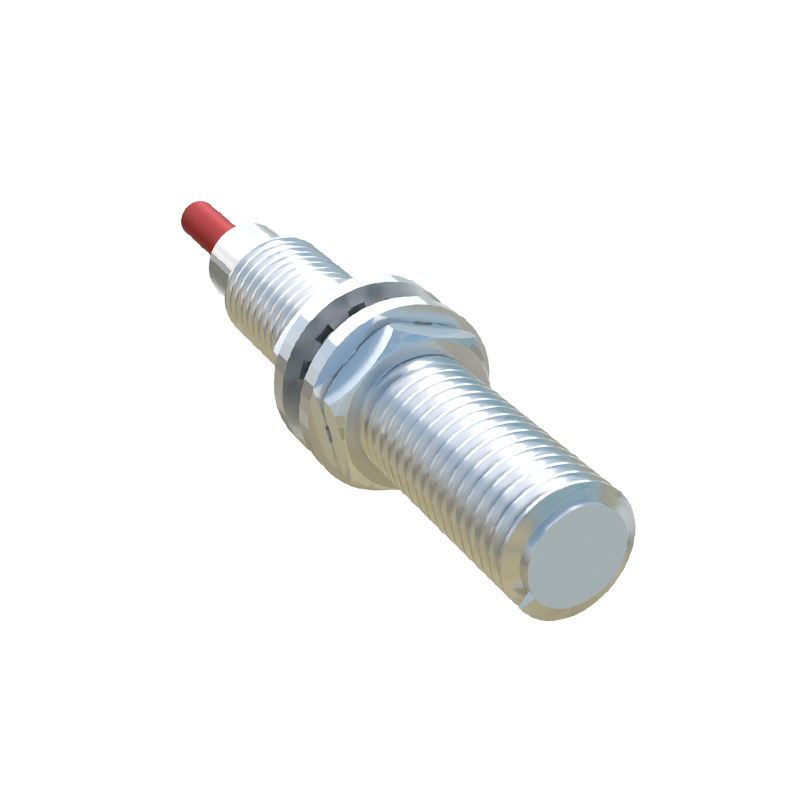
In the realm of audio technology and smart devices, the seamless integration of hardware and software is paramount. One component that plays a crucial, yet often overlooked, role in this symphony is the proximity sensor for speakers. This sophisticated piece of technology is designed to detect the presence of nearby objects without any physical contact, enabling a range of intelligent functionalities that enhance user experience and protect device integrity.
At its core, a proximity sensor used in conjunction with speakers typically operates on infrared (IR) or capacitive sensing principles. An IR sensor emits a beam of infrared light. When an object, such as a user's ear during a phone call or a hand covering a smart speaker, comes close, it reflects the light back to the sensor. The sensor's receiver detects this reflection, and the device's processor interprets the signal to trigger a predefined action. Capacitive sensors, on the other hand, detect changes in an electrical field caused by the presence of a conductive object, like the human body.
The applications for speaker proximity sensors are diverse and impactful. The most common example is found in smartphones. During a voice call, when you bring the phone close to your ear, the proximity sensor automatically turns off the touchscreen display. This serves a dual purpose: it prevents accidental touch inputs from your cheek or ear, and it conserves battery power by disabling the screen backlight. Simultaneously, it can signal the audio system to route sound appropriately, ensuring optimal call clarity. Once you move the phone away, the screen instantly reactivates.
In the world of smart speakers and voice assistants, proximity sensors add a layer of intuitive interaction. Imagine approaching a smart speaker to ask a question; a sensor could detect your presence and activate a subtle light ring or prepare the microphone array for your command, creating a more responsive and engaging experience. Some high-end audio systems use these sensors to detect when a user's hand is near a control panel, illuminating hidden buttons or displaying a volume slider on a minimalist interface, maintaining sleek design without sacrificing functionality.
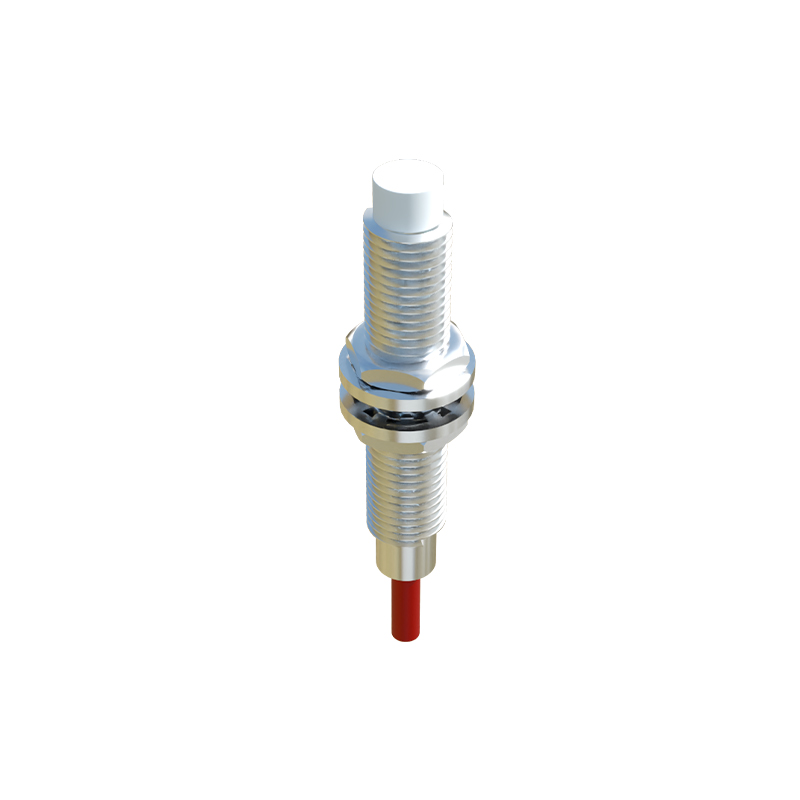
Beyond user interface enhancements, proximity sensors are vital for speaker protection. In portable Bluetooth speakers or soundbars, a sensor can detect when an object is obstructing the speaker grill or driver. It can then automatically lower the volume or pause playback to prevent audio distortion or potential damage to the speaker coil from over-excursion. This is particularly useful in cluttered environments or when devices are used around children and pets.
The integration of these sensors also paves the way for advanced audio processing. By knowing a listener's approximate distance, a system equipped with multiple speakers could theoretically adjust soundstage and equalization settings for an optimized listening experience, whether the user is right next to the device or across the room.
For developers and engineers, implementing a reliable proximity sensing system requires careful consideration. Sensor placement is critical to avoid false triggers from the speaker's own vibrations or ambient light. Advanced filtering algorithms are necessary to distinguish between intentional proximity (like a hand covering the speaker) and environmental noise. Furthermore, calibration is essential to account for different materials and objects the sensor might encounter.

As the Internet of Things (IoT) ecosystem expands, the role of proximity sensors in audio devices is set to grow. Future iterations may involve more sophisticated time-of-flight (ToF) sensors that can gauge exact distance, enabling even more precise control. Integration with other sensors, like accelerometers, could allow a device to know if it's in a pocket or bag and adjust speaker behavior accordingly to save power or prevent muffled sound.
In conclusion, the humble proximity sensor is a silent guardian and an intelligent facilitator in modern audio devices. It moves technology from being merely reactive to becoming perceptive and anticipatory. By enabling touch-free control, preventing accidental damage, and personalizing audio output, these sensors significantly contribute to the durability, efficiency, and overall sophistication of speakers in smartphones, smart home devices, and portable audio systems. Their continued evolution will undoubtedly keep our interactions with technology smoother, smarter, and more seamless.