Optical proximity sensors are a fundamental component in modern automation and consumer electronics, enabling devices to detect the presence, absence, or distance of an object without physical contact. Their operation is elegantly simple, relying on the properties of light. At their core, these sensors consist of a light emitter, typically an infrared Light Emitting Diode (LED), and a light receiver, such as a phototransistor or photodiode. The emitter sends out a beam of light, often modulated at a specific frequency to reduce interference from ambient light. When an object enters the sensor's detection field, it reflects part of this light beam back towards the receiver. The sensor's internal electronics then process this received signal to determine the object's proximity.
There are two primary operational modes for these sensors: diffuse reflective and through-beam. The diffuse reflective type, the most common, houses both the emitter and receiver in the same unit. Detection occurs when light reflects off a target and returns to the receiver. This mode is cost-effective and simplifies installation but is sensitive to the target's color, reflectivity, and surface texture. A dark, matte object will reflect less light than a bright, shiny one, potentially affecting the sensing range and reliability. In contrast, the through-beam configuration separates the emitter and receiver into two distinct units facing each other. An object is detected when it breaks the light beam traveling between them. This method offers the longest possible sensing range and high reliability, as it is largely unaffected by the target's surface properties. However, it requires precise alignment of two separate components, increasing installation complexity and cost.
The applications for optical proximity sensors are vast and continually expanding. In industrial automation, they are indispensable for tasks like object counting on conveyor belts, determining precise positioning in machinery, and ensuring safety by detecting human presence near hazardous equipment. The consumer electronics sector heavily relies on miniaturized versions. A quintessential example is the smartphone, where a proximity sensor turns off the touchscreen display during a phone call to prevent accidental cheek presses, thereby saving battery life. They are also found in automatic faucets, soap dispensers, paper towel dispensers, and hand dryers in public restrooms, promoting hygiene and conservation. Robotics utilizes these sensors for obstacle detection and navigation, allowing robots to perceive and interact with their environment.
Several key performance parameters define the suitability of an optical proximity sensor for a given task. Sensing range is the maximum distance at which the sensor can reliably detect a standard target. Response time indicates how quickly the sensor can react to a change in the detection status, a critical factor in high-speed automation. Repeatability refers to the sensor's ability to consistently detect an object at the same distance under identical conditions. Environmental robustness is another crucial consideration. Factors like dust, fog, or intense ambient light can interfere with the light beam, causing false triggers or missed detections. Many industrial-grade sensors are designed with housings that offer ingress protection (IP ratings) against dust and water and feature modulated infrared light to combat interference from other light sources.
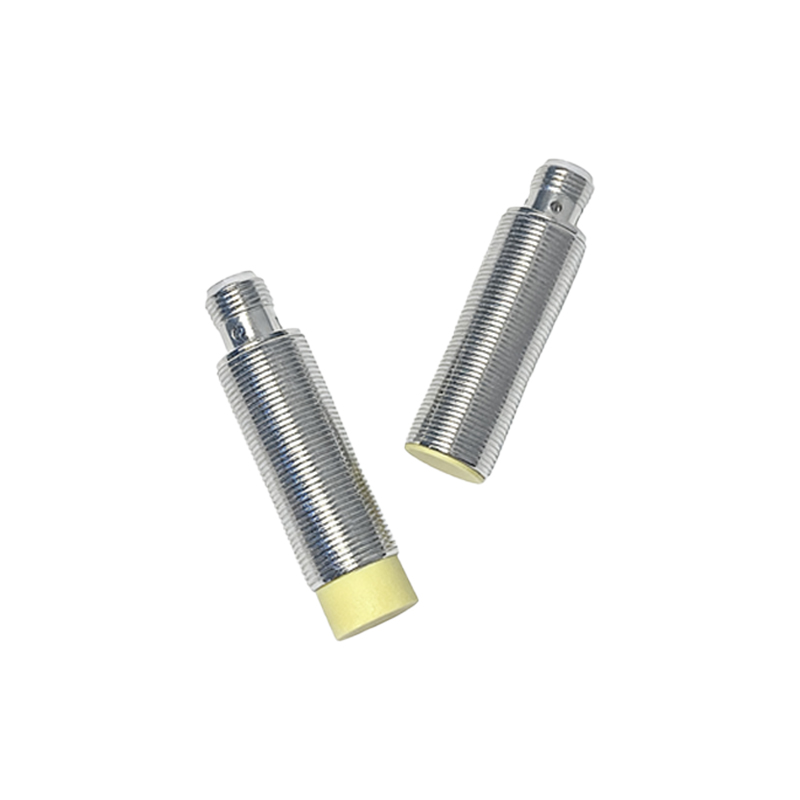
When selecting an optical proximity sensor, engineers must carefully evaluate the application requirements. The nature of the target object—its size, material, color, and expected movement speed—must be considered. The required sensing distance and the available space for sensor mounting will dictate the choice between compact diffuse sensors or longer-range through-beam models. The operating environment's conditions, including temperature, potential contaminants, and ambient light levels, will determine the necessary protective features. Finally, the required output signal type, such as a simple digital on/off switch or an analog signal proportional to distance, must align with the control system's input requirements.
Looking ahead, advancements in technology are pushing the boundaries of optical sensing. The integration of time-of-flight (ToF) principles allows sensors to measure exact distance by calculating the time it takes for a light pulse to travel to an object and back, enabling more sophisticated 3D mapping and gesture recognition. Miniaturization continues, allowing these sensors to be embedded into ever-smaller devices. Furthermore, the development of sensors with integrated intelligence, capable of filtering out environmental noise and adapting to different target surfaces, is enhancing reliability and simplifying setup. As the Internet of Things (IoT) expands, optical proximity sensors will play a vital role in providing the contextual awareness that smart devices and systems need to function autonomously and efficiently. Their non-contact nature, speed, and versatility ensure they will remain a cornerstone of sensing technology across countless industries.