Proximity sensors are critical components in modern automation, IoT devices, and industrial systems, providing non-contact detection of objects. Ensuring their long-term reliability requires rigorous lifecycle testing, which evaluates performance degradation over extended operational periods. This article outlines key methodologies, industry standards, and practical considerations for effective proximity sensor durability assessment.
Lifecycle testing simulates real-world conditions to determine a sensor’s operational lifespan. Accelerated life testing (ALT) is commonly employed, where sensors undergo stress factors like temperature cycling, mechanical wear, and continuous electrical load beyond normal specifications. For inductive or capacitive proximity sensors, repeated actuation cycles—mimicking target approaches—are conducted while monitoring parameters such as sensing distance drift, response time consistency, and output signal stability. Environmental chambers may be used to expose sensors to extremes of humidity, vibration, or corrosive atmospheres, reflecting harsh industrial settings.
Data collection during testing is vital. Metrics include mean time between failures (MTBF), failure rate trends, and degradation patterns. Statistical tools like Weibull analysis help predict failure probabilities and identify wear-out phases. For example, a sensor’s housing seal degradation might lead to ingress of contaminants, gradually affecting detection accuracy. Documenting these failure modes informs design improvements and maintenance schedules.
Industry standards provide frameworks for consistency. IEC 60947-5-2 outlines performance criteria for proximity devices, while ISO 13849 relates to safety-reliability in machinery. Compliance testing often involves millions of operation cycles—e.g., 10 million actuations for high-end sensors—to ensure endurance. Manufacturers may combine cycle testing with electrical stress tests, verifying that output transistors or analog circuits withstand prolonged use without drift.
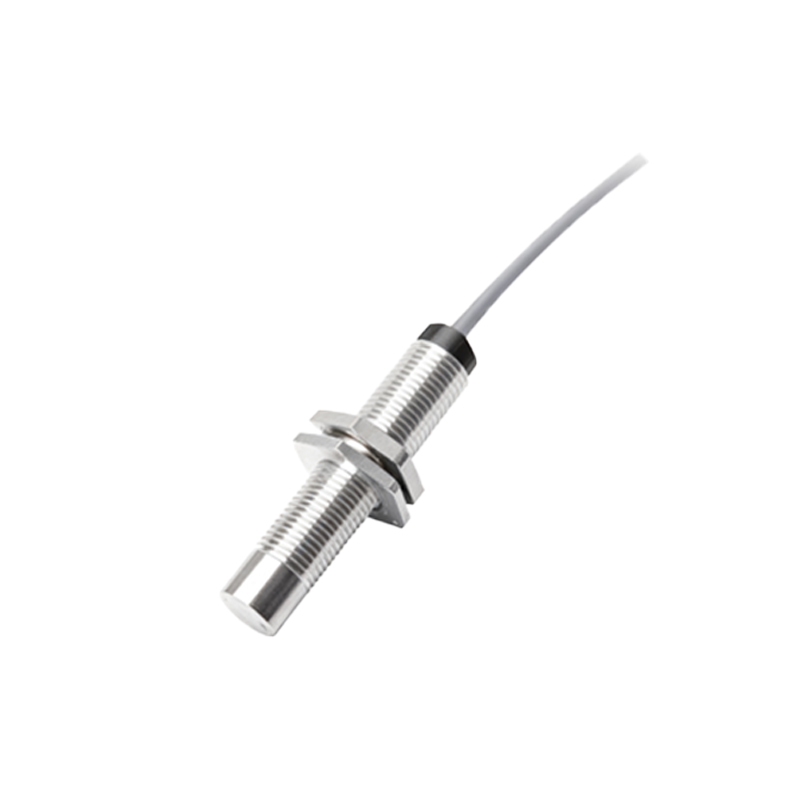
Best practices emphasize realistic test scenarios. Sensors should be tested in configurations mirroring final applications, including mounting positions, target materials, and cable stress. For instance, a sensor detecting metal parts on a conveyor belt should be tested with similar metals, cycle speeds, and ambient interference. Additionally, periodic calibration checks during long-term tests can reveal gradual sensitivity loss.
Emerging trends include predictive maintenance integration, where lifecycle data trains algorithms to forecast sensor replacement needs. Smart sensors with self-diagnostic features now log operational hours and environmental exposure, aiding lifecycle analysis. However, traditional physical testing remains indispensable for validating these digital models.
In summary, proximity sensor lifecycle testing blends accelerated stress methods, statistical evaluation, and adherence to standards. By understanding failure mechanisms and operational limits, engineers can enhance sensor durability, reduce downtime, and ensure safety in automated systems. Regular updates to testing protocols, reflecting new materials and technologies, will continue to drive reliability in an increasingly connected industrial landscape.