In industrial automation and manufacturing, the reliability of components directly impacts operational efficiency and safety. Among these critical components, stainless steel proximity sensors play a pivotal role in non-contact detection and position sensing across challenging environments. Selecting the right supplier for these sensors is not merely a procurement task; it is a strategic decision that influences system longevity, maintenance costs, and overall productivity. This article explores the essential considerations for choosing a stainless steel proximity sensor supplier and delves into the primary applications driving demand.
The defining characteristic of stainless steel proximity sensors is their robust construction. The housing, typically made from grades like 304 or 316 stainless steel, provides exceptional resistance to corrosion, chemicals, high-pressure washdowns, and physical impact. This makes them indispensable in industries where sensors are exposed to harsh conditions. A reputable supplier understands these environmental demands and offers products engineered to meet specific ingress protection (IP) ratings, temperature tolerances, and resistance to various corrosive agents. Beyond the material, the quality of the weld, the integrity of the sensing face, and the durability of the electrical connections are hallmarks of a well-manufactured sensor.
When evaluating suppliers, technical expertise and support are paramount. A superior supplier provides comprehensive technical data sheets, clear application notes, and accessible engineering support. Key specifications to scrutinize include sensing range, repeat accuracy, output type (e.g., NPN, PNP, analog, IO-Link), and switching frequency. Suppliers with strong design-in support can assist in selecting the correct sensor for unique applications, such as detecting small metallic objects at high speeds or operating in extreme temperatures. The ability to provide custom solutions, such as special cable lengths, connector types, or form factors, is a significant advantage.
The global supply chain for industrial components has underscored the importance of consistent quality and reliable delivery. Leading suppliers maintain stringent quality control processes, often certified under standards like ISO 9001. They possess robust manufacturing capabilities and distribution networks to ensure timely availability of products, minimizing downtime for their clients. Furthermore, a supplier's product range is indicative of their specialization. A focus on proximity sensors, including inductive, capacitive, and ultrasonic variants in stainless steel housings, suggests deeper expertise than a general industrial distributor.
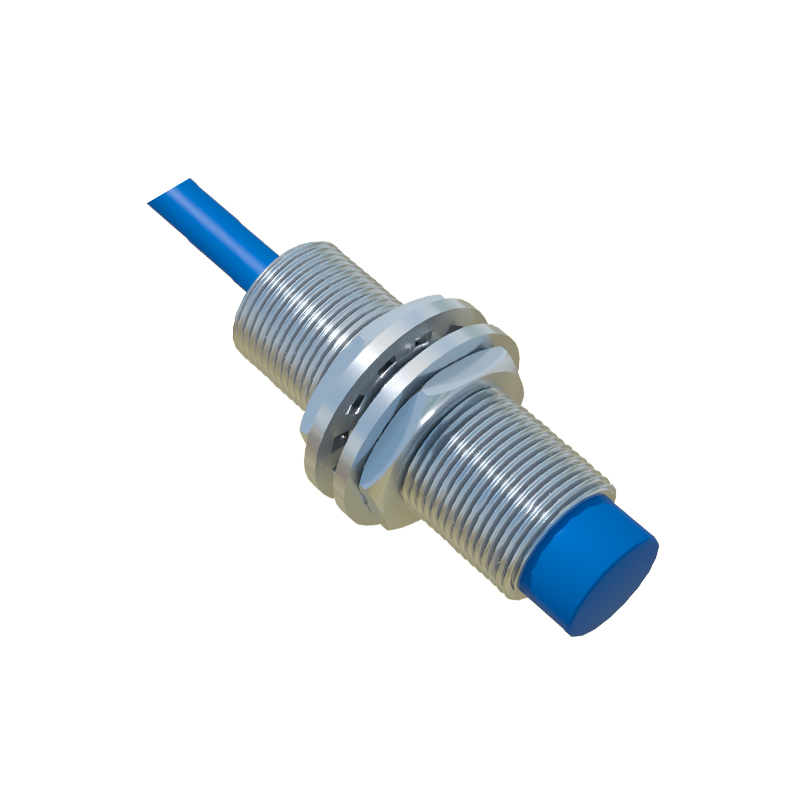
Industry applications for stainless steel proximity sensors are vast and varied. In food and beverage processing, sensors must withstand frequent cleaning with caustic solutions and steam. Stainless steel sensors are mandatory here to prevent contamination and ensure hygiene compliance. In pharmaceutical manufacturing, similar washdown requirements and cleanroom standards apply. The chemical industry relies on these sensors for their resistance to aggressive solvents and acids. In marine and offshore applications, saltwater corrosion resistance is critical. Even in heavy machinery and automotive manufacturing, where sensors face exposure to cutting fluids, coolants, and physical abrasion, the stainless steel variant offers superior life expectancy compared to plastic or mild steel housings.
Beyond product specifications, the total cost of ownership (TCO) is a crucial metric. A supplier offering a marginally lower unit price but with higher failure rates can incur substantial hidden costs through production stoppages, emergency shipping, and labor for replacements. Suppliers that demonstrate high product reliability, offer favorable warranty terms, and have a proven track record of performance contribute to a lower TCO. Partnering with such a supplier transforms the relationship from transactional to strategic, fostering long-term operational stability.
Finally, the technological trajectory of proximity sensing continues to evolve. Suppliers at the forefront are integrating smart features like condition monitoring, predictive maintenance data via IO-Link, and enhanced noise immunity. Choosing a supplier that invests in research and development ensures access to next-generation technology, future-proofing your automation investments.
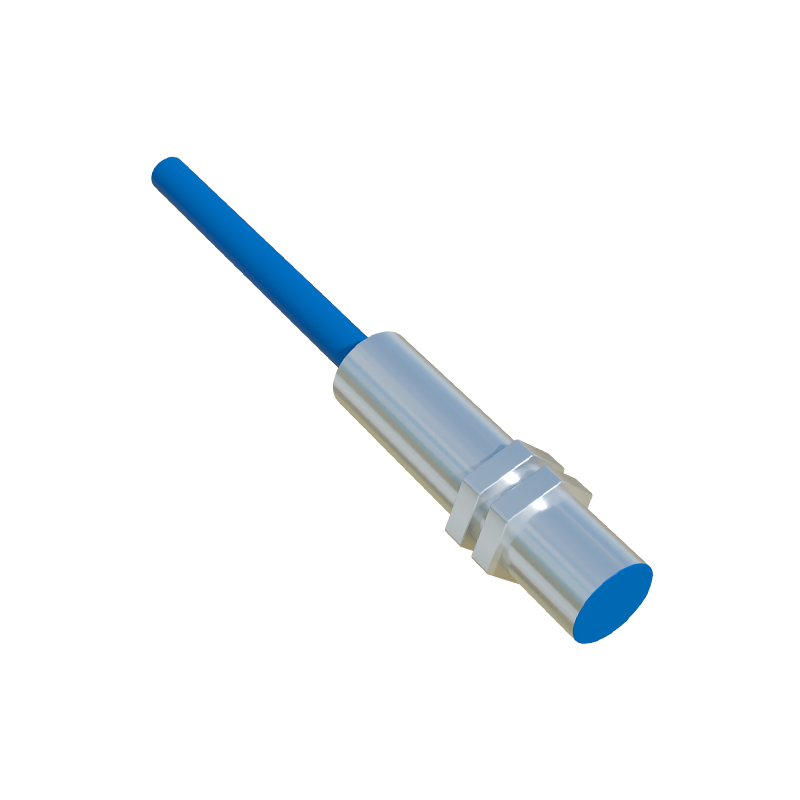
In conclusion, selecting a stainless steel proximity sensor supplier requires a multifaceted evaluation. Prioritize suppliers with proven expertise in metallurgy and sensor technology, robust quality assurance, responsive technical support, and a deep understanding of your specific industry challenges. This diligent approach secures not just a component, but a reliable partner in maintaining efficient and uninterrupted industrial operations.