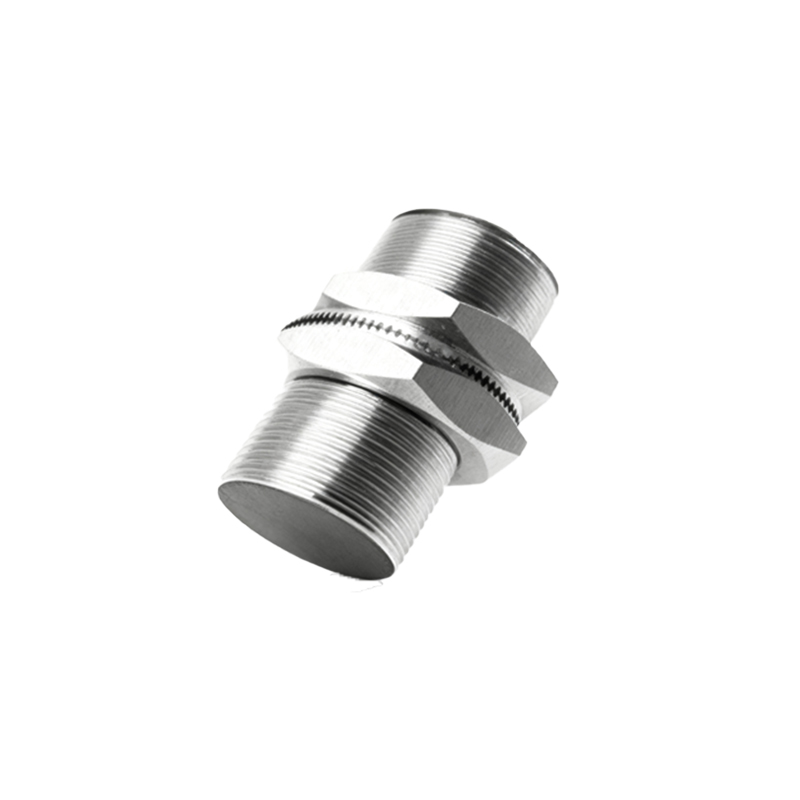
Proximity switch sensors are fundamental components in modern industrial automation, particularly for monitoring and controlling rotational speed. These non-contact sensors detect the presence or absence of a target object, typically a metallic gear tooth, keyway, or specially mounted flag, by generating an electromagnetic field. When the target interrupts this field, the sensor triggers a solid-state switch, producing a clean, rapid electrical signal. This pulse train corresponds directly to the rotational speed of the shaft or wheel to which the target is attached.
The core technology behind these sensors often involves inductive, capacitive, or magnetic operating principles. Inductive proximity sensors are the most common for metallic targets in rotational speed applications. They contain an oscillator circuit that creates a high-frequency electromagnetic field at the active face. When a ferrous or non-ferrous metal target enters this field, it induces eddy currents that dampen the oscillator's amplitude. This change is detected by a threshold circuit, which switches the output state. For applications involving non-metallic materials or requiring greater sensing distances, capacitive variants may be employed. Hall-effect or magnetoresistive sensors are used when detecting permanent magnets embedded in or attached to a rotating component.
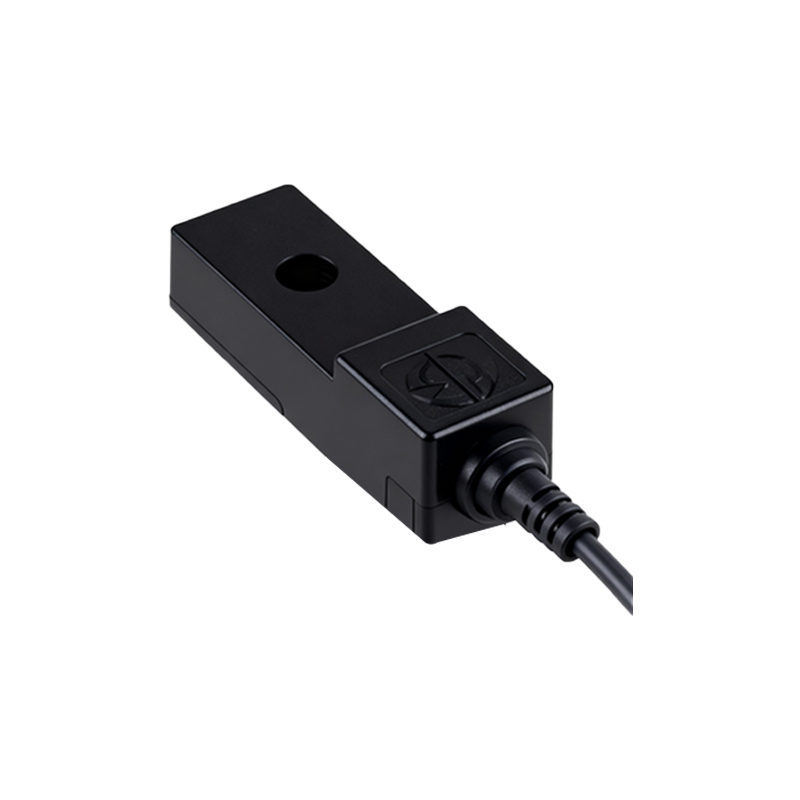
The primary advantage of using a proximity switch for speed measurement is its reliability and durability. With no moving parts and no physical contact with the target, these sensors are immune to mechanical wear, ensuring long service life even in harsh environments with significant vibration, dust, or moisture, provided they have appropriate ingress protection (IP) ratings. They deliver highly repeatable signals with fast response times, capable of detecting very high rotational speeds—often into the tens or even hundreds of thousands of revolutions per minute—making them ideal for precision tachometry.
Integration into control systems is straightforward. The output signal, usually in the form of a PNP/NPN transistor switch, a two-wire AC/DC switch, or a digital pulse (NAMUR), can be directly connected to a programmable logic controller (PLC), frequency counter, or dedicated tachometer module. By counting the number of pulses per unit of time, the rotational speed (RPM) is easily calculated. For instance, a gear with 60 teeth will generate 60 pulses per revolution. If a counter registers 3000 pulses in one second, the rotational speed is 3000 RPM. This data is crucial for applications like overspeed/underspeed protection, synchronizing conveyor belts, controlling motor speeds in variable frequency drives (VFDs), and monitoring critical machinery for predictive maintenance.
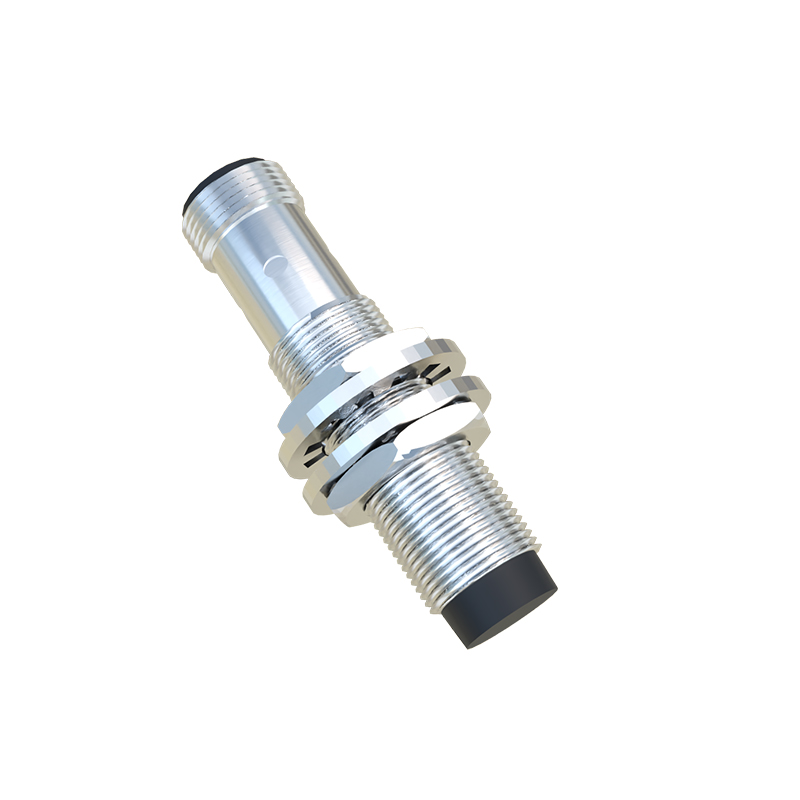
Key selection criteria for rotational speed applications include sensing distance, target material and size, operating frequency (switching speed), output type, environmental conditions, and electrical requirements. The sensing distance must be sufficient to reliably detect the target but not so large as to cause false triggers from surrounding machinery. The target's size and material directly affect the sensor's effective range; manufacturers provide correction factors for different metals. The sensor's operating frequency, measured in Hertz (Hz), must exceed the maximum expected pulse frequency from the rotating target to avoid missing pulses and delivering inaccurate speed readings.
Installation and alignment are critical for consistent performance. Sensors must be mounted securely to minimize vibration-induced error and aligned precisely with the passing target. Shielding or careful mounting is often necessary to avoid electromagnetic interference from nearby motors or power lines. Regular maintenance, though minimal, involves checking for physical damage, buildup of debris on the sensing face, and verifying the stability of electrical connections.
From automotive engine crankshaft positioning and anti-lock braking systems (ABS) to paper mill rollers, turbine monitoring, and packaging machinery, proximity switch sensors provide a robust, accurate, and cost-effective solution for rotational speed sensing. Their continued evolution includes designs with enhanced noise immunity, wider temperature ranges, and integrated diagnostics, solidifying their role as indispensable tools for ensuring efficiency, safety, and reliability in rotational machinery across countless industries.