Proximity sensors are fundamental components in modern electronics, designed to detect the presence or absence of an object within a specific range without physical contact. The phrase "sensor on when close" describes their core operational state: the sensor activates or triggers an output signal when an object approaches its detection field. This principle is leveraged across countless applications, from smartphones and industrial machinery to automotive systems and home appliances.
The underlying technology varies. Inductive proximity sensors detect metallic objects by generating an electromagnetic field. When a metal target enters this field, it causes a change in the oscillation amplitude, which the sensor circuitry detects, switching its output state to "on." Capacitive sensors, conversely, can detect both metallic and non-metallic materials like liquids or plastics by sensing changes in capacitance caused by the object's presence. Optical proximity sensors use an infrared LED emitter and a photodetector; the "on" state is triggered when the emitted light beam is reflected back by a nearby object and received by the detector. Ultrasonic sensors calculate proximity by measuring the time-of-flight of reflected sound waves.
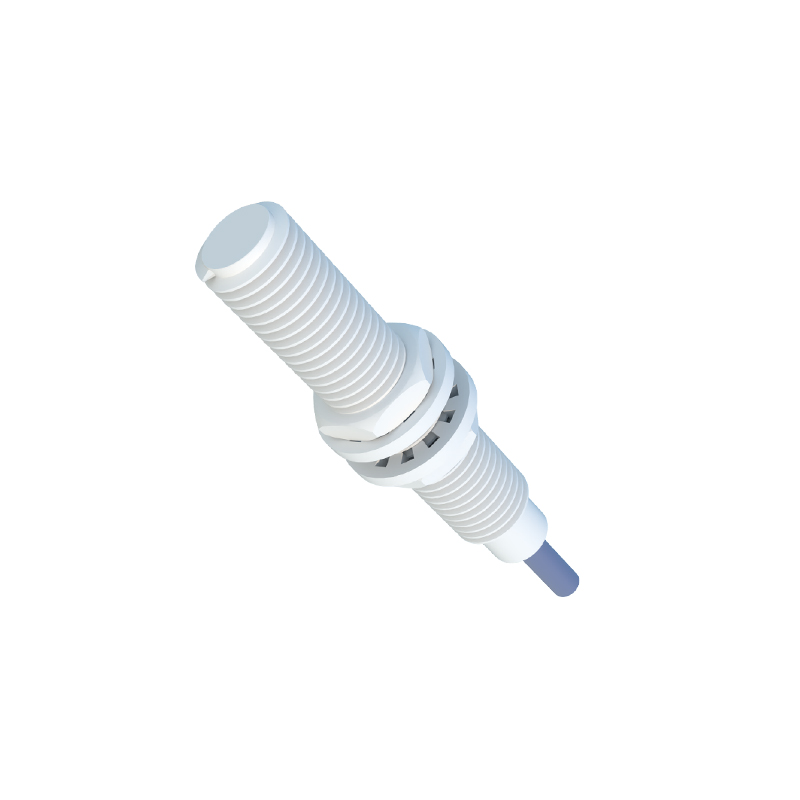
The transition to the "on" state is not merely a binary event but a carefully engineered response. Sensors have a defined sensing range or nominal range, specified by manufacturers. The object must typically be within this range for reliable activation. Factors like the object's size, material, and even environmental conditions (e.g., temperature, dust) can influence the exact point of activation. Hysteresis is a critical feature built into these sensors to prevent rapid, erratic switching when an object is positioned precisely at the detection threshold. It creates a small difference between the "switch-on" point (when the object approaches) and the "switch-off" point (when it recedes), ensuring stable operation.
In practical terms, this "on when close" functionality enables essential features. In a smartphone, the proximity sensor turns off the touchscreen display during a call when the phone is held near the ear, preventing accidental touch inputs and saving power. In an automatic sliding door, the sensor activates the opening mechanism as a person approaches. In industrial assembly lines, a sensor can confirm a part is in the correct position before a robotic arm proceeds with its task, a vital step for safety and precision. In automotive applications, proximity sensors are key for parking assistance systems, alerting the driver with audible tones that increase in frequency as the vehicle gets closer to an obstacle.
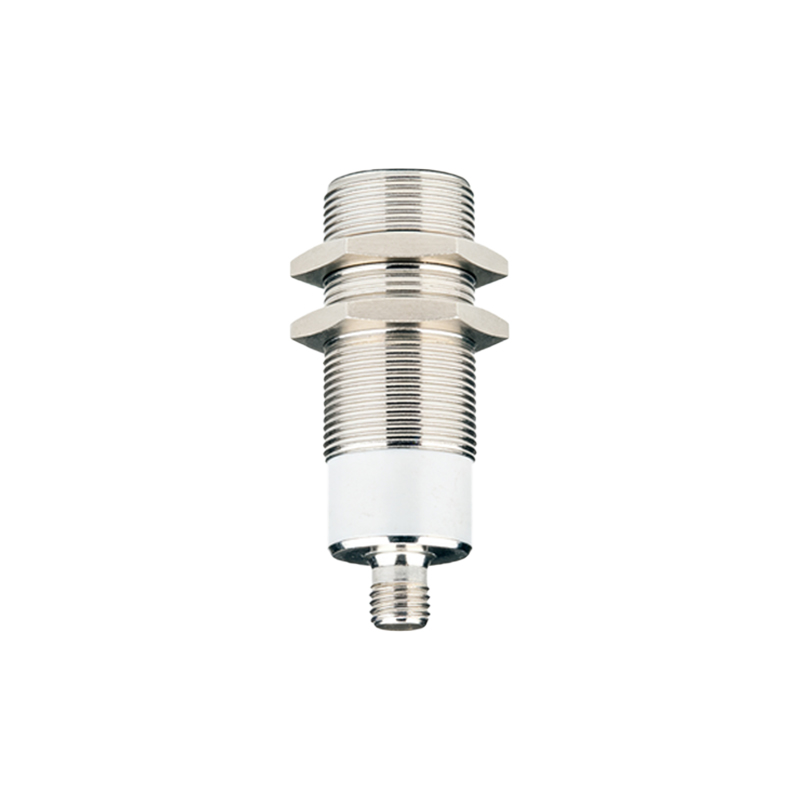
Designing a system around this behavior requires careful consideration. Engineers must select the appropriate sensor type for the target material and environment. The mounting position and orientation are crucial to avoid blind spots or false triggers. The output signal from the sensor—whether a simple digital on/off switch, a transistor switch (PNP or NPN), or an analog signal proportional to distance—must be correctly interfaced with the control system, such as a programmable logic controller (PLC) or microcontroller. Proper shielding and filtering are often necessary in electrically noisy industrial settings to ensure reliable performance.
The advantages of non-contact, proximity-based activation are immense. It eliminates mechanical wear and tear associated with physical switches, leading to higher longevity and reliability. It allows for fast response times, essential in high-speed automation. Furthermore, it enables operation in harsh environments where physical contact is impractical, such as in cleanrooms, with corrosive materials, or in sterile food packaging lines.
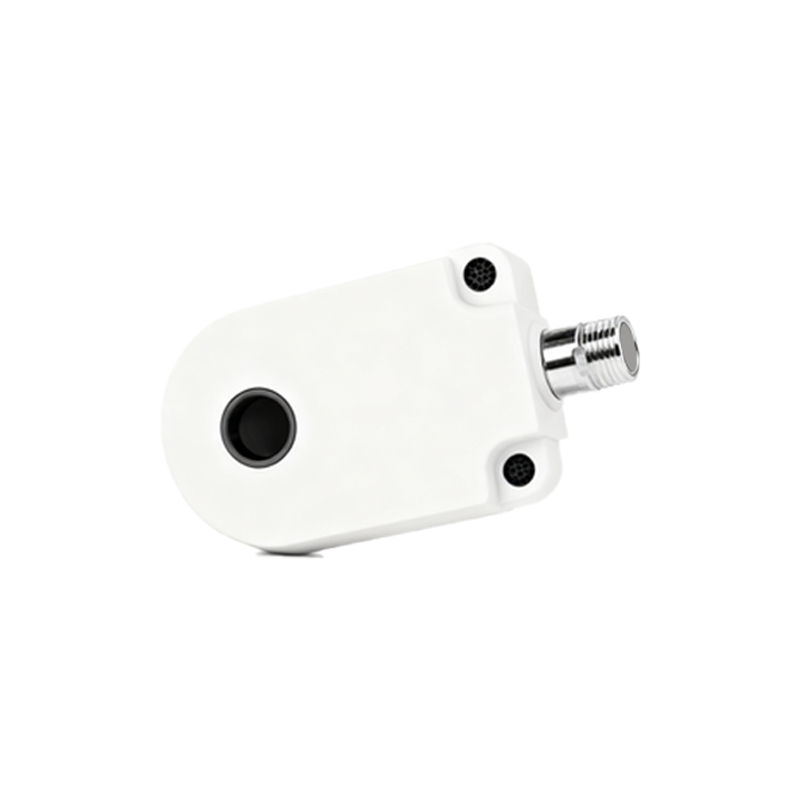
In conclusion, the operation of a proximity sensor turning "on when close" is a deceptively simple concept underpinning sophisticated automation and interactive technology. Its reliable execution depends on the precise interplay of physics, electronic design, and application-specific engineering. As the Internet of Things (IoT) and smart devices continue to evolve, the role of these silent, reactive components in creating seamless, efficient, and intuitive interactions between machines and the physical world will only grow more pivotal.