Proximity sensors are the silent guardians of modern automation, playing a crucial role in countless applications from factory floors to consumer electronics. At the heart of their functionality lies a critical concept: the protection range. Understanding this parameter is not just a technical detail; it is fundamental to ensuring safety, reliability, and optimal system performance.
The protection range, often referred to as the sensing range or operating distance, is the maximum distance at which a proximity sensor can reliably detect the presence of a specified standard target. It is not a single, fixed number but a defined specification under specific conditions. This range is typically measured with a standard target, such as a square of mild steel of a defined size (e.g., 1mm x 1mm for inductive sensors), aligned parallel to the sensor's active face. The actual detection distance for objects of different materials, sizes, or shapes will vary.
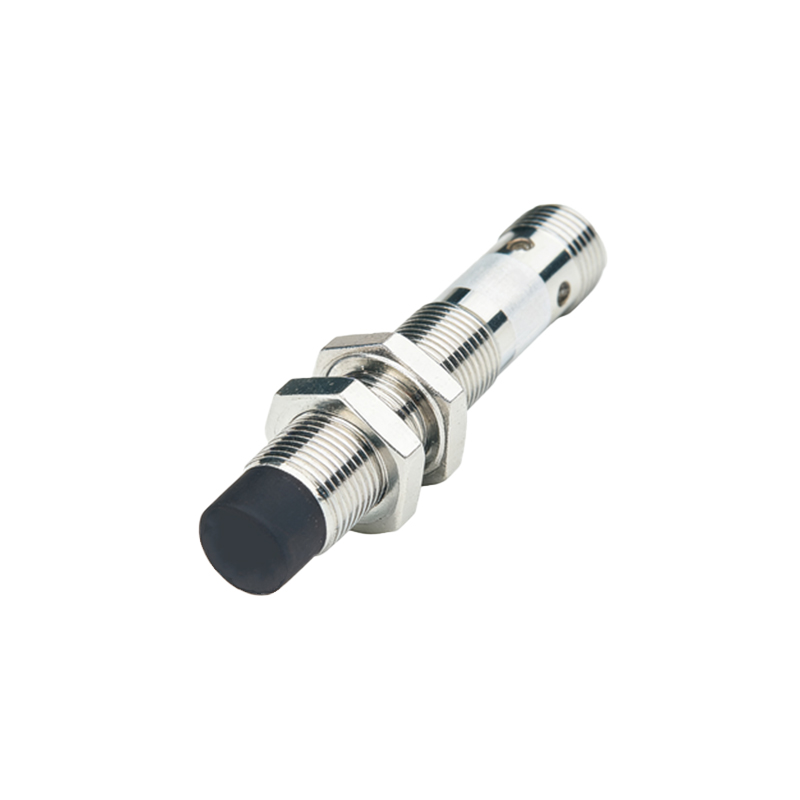
Several key factors directly influence and define the effective protection range of a sensor. First is the sensor technology itself. Inductive sensors detect metallic objects, and their range is affected by the target's material properties, with factors like permeability playing a significant role. Capacitive sensors can detect both metallic and non-metallic materials, and their range is influenced by the target's dielectric constant. Ultrasonic sensors use sound waves, and their effective range can be impacted by the target's sound absorption and surface texture. Photoelectric sensors, using light beams, have their range affected by the target's color, reflectivity, and opacity.
Environmental conditions are another major factor. Temperature fluctuations can cause expansion or contraction of sensor components and affect electronic signal processing, potentially shifting the sensing point. The presence of dust, oil, moisture, or other contaminants on the sensor face can attenuate signals, especially for optical and ultrasonic types, reducing the effective range. Strong electromagnetic interference (EMI) in industrial settings can disrupt the sensitive electronics of inductive and capacitive sensors, causing false triggers or reduced sensitivity.
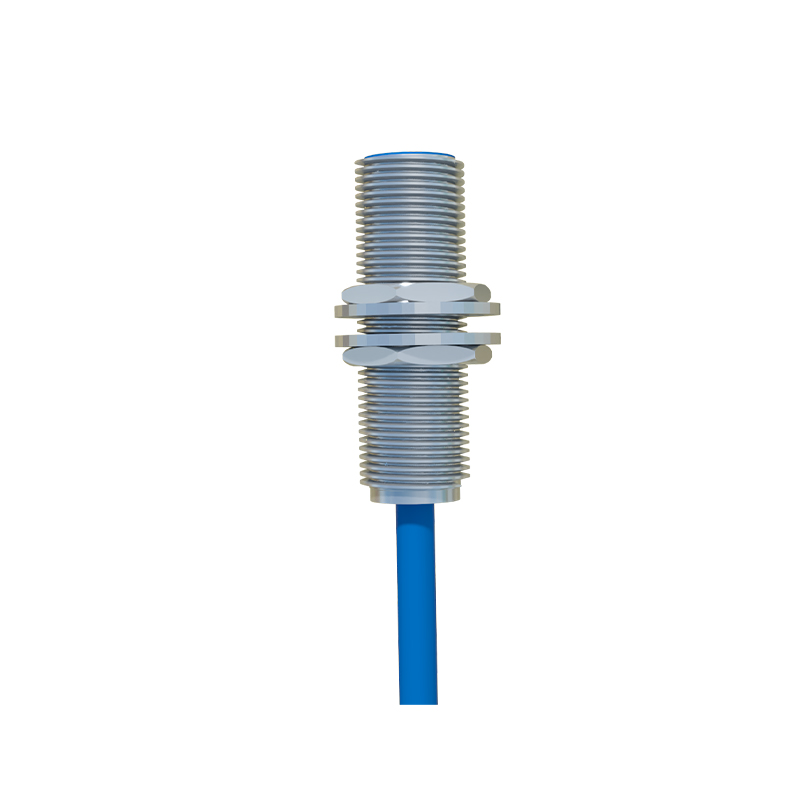
Installation and mechanical factors are equally important. Misalignment between the sensor and the expected path of the target can drastically reduce the effective range. Vibration can cause temporary changes in the relative distance, potentially leading to unreliable operation if the sensor is operating at the very limit of its specified range. The size and shape of the target object relative to the sensor's standard test target will cause deviations from the nominal sensing distance.
Understanding the difference between nominal range and effective or usable range is critical for practical application. The nominal sensing range (Sn) is the theoretical value under ideal laboratory conditions. The effective operating range in a real-world installation is often derated. A common and safe practice is to utilize only 60% to 80% of the sensor's nominal range. This derating provides a safety margin to account for all the variables mentioned—temperature changes, supply voltage tolerances, target variations, and buildup of contaminants. Operating a sensor consistently at 100% of its nominal range invites reliability issues and potential failure to detect.
Selecting the right sensor with an appropriate protection range involves a clear analysis of the application. Determine the maximum distance at which detection must occur. Identify the target material, size, and possible variations. Assess the operating environment for temperature extremes, contaminants, and potential interference. Always consult the manufacturer's datasheet, which provides detailed specifications, derating curves for different conditions, and mounting recommendations. Choosing a sensor with a nominal range 1.5 to 2 times greater than your maximum required distance is a prudent strategy to ensure long-term, stable operation.
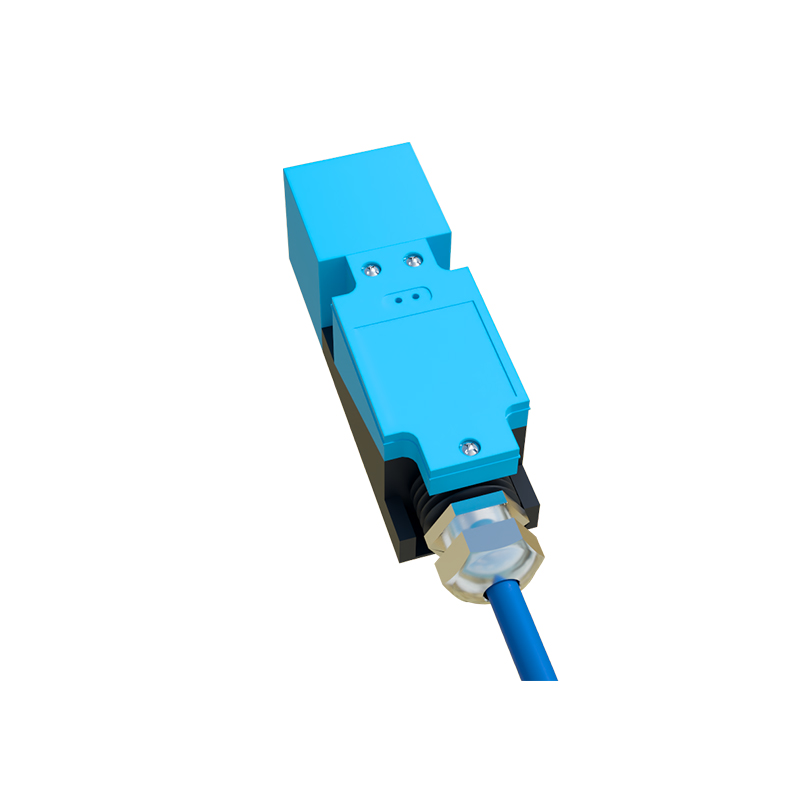
In safety-critical applications, such as machine guarding where sensors are part of a safety interlock system, the concept of protection range takes on paramount importance. Here, sensors with defined failure modes and diagnostics are used. The safety distance calculation must incorporate not only the sensor's response time but also a thorough understanding of its assured detection capability within a defined zone. A failure to detect within this "protected field" could have serious consequences, making the reliable and verifiable protection range a non-negotiable design parameter.
Regular verification and maintenance are essential to preserve the intended protection range. This includes periodic cleaning of the sensor face, checking for physical damage or misalignment, and verifying the detection consistency with a test target. Monitoring for drift in the output signal can be an early indicator of environmental factors degrading performance.
In conclusion, the protection range of a proximity sensor is a dynamic specification, not a static number. It represents a careful balance between sensor technology, target properties, and environmental challenges. By thoroughly understanding the factors that influence it, applying prudent derating, and implementing proper selection and maintenance procedures, engineers and technicians can ensure these devices provide the reliable, long-lasting protection that automated systems depend on. Ignoring the nuances of the protection range is an oversight that can compromise both efficiency and safety.