In an era defined by smart automation, interactive devices, and stringent safety protocols, the demand for precise, reliable, and adaptable sensing solutions has never been greater. Standard proximity sensors, while effective for many common applications, often fall short when faced with unique environmental conditions, specific form-factor constraints, or novel functional requirements. This is where the power of customized proximity sensing technology comes to the forefront, enabling engineers and product designers to transcend off-the-shelf limitations and achieve optimal performance.
Customization in proximity sensing is not merely about adjusting a parameter; it is a holistic engineering process that begins with a deep understanding of the application's core challenges. Will the sensor operate in extreme temperatures, from cryogenic environments to high-heat industrial ovens? Is it destined for a space-constrained wearable device, a rugged agricultural robot, or a sterile medical instrument? Each scenario presents distinct obstacles—varying target materials (metal, plastic, skin, liquid), required sensing ranges (from sub-millimeter to several meters), response speeds, and immunity to environmental interference like dust, moisture, or electromagnetic noise.
The journey toward a bespoke sensor solution typically involves collaboration between the client's innovation team and specialized sensor manufacturers. This partnership focuses on several key axes of customization. First is the selection and tailoring of the underlying sensing principle. While inductive sensors are unmatched for detecting metallic objects, capacitive variants excel with non-metallic materials and are ideal for touchless interfaces. Ultrasonic sensors offer longer ranges and are unaffected by color or transparency, whereas photoelectric sensors provide high precision for clear object detection. A custom design might even hybridize technologies to create a multi-modal sensor capable of handling complex detection tasks.
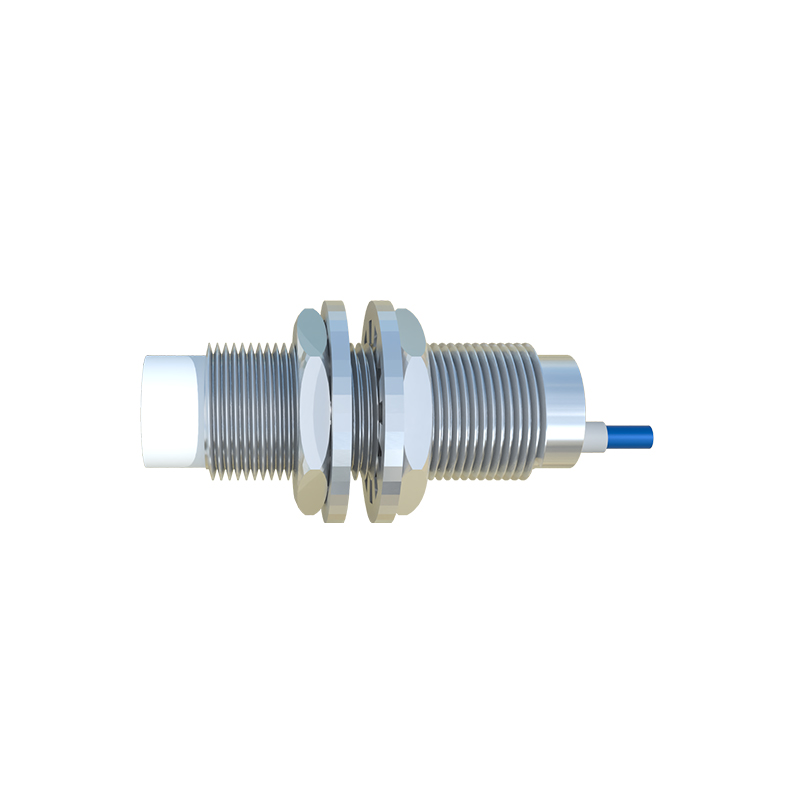
Next, the physical and electrical characteristics are meticulously engineered. This encompasses the sensor's housing material—choosing between stainless steel for corrosive environments, PBT plastic for cost-effective durability, or specialized polymers for biocompatibility. The form factor is shaped to fit the host device seamlessly, whether it requires a miniature, surface-mount device (SMD) for PCB integration or a slender, cylindrical housing for robotic grippers. Electrical output is another critical dimension, with options ranging from standard NPN/PNP discrete signals to analog current/voltage outputs proportional to distance, or direct digital interfaces like I2C and IO-Link for rich data communication and advanced diagnostics.
Furthermore, the firmware embedded within the sensor's microcontroller can be customized to implement application-specific logic. This includes programmable sensitivity thresholds, adjustable hysteresis to prevent output chatter, built-in filtering algorithms to stabilize readings in vibratory environments, and sophisticated multi-point calibration routines. For instance, a sensor on an assembly line can be programmed to ignore a passing conveyor belt while detecting only specific components, dramatically reducing false triggers.
The benefits of investing in a customized approach are substantial. It leads to enhanced system reliability and accuracy by eliminating the performance compromises inherent in using a generic sensor. It can simplify the end-product's overall design by reducing the need for additional shielding, mounting brackets, or signal conditioning circuits. Ultimately, it accelerates innovation, allowing companies to develop differentiated products with unique features that are not possible with standard components. From enabling the delicate object handling of collaborative robots (cobots) and the intuitive touchless controls of next-generation appliances to ensuring the precise positioning in automated guided vehicles (AGVs) and monitoring critical clearances in aerospace assemblies, custom proximity sensors are the silent enablers of technological advancement.
In conclusion, as industrial and consumer applications grow more sophisticated, the one-size-fits-all approach to proximity sensing becomes increasingly inadequate. Customized proximity sensor development represents a strategic investment, transforming a basic component into a core competitive advantage. By focusing on the specific needs of the application, businesses can achieve unparalleled levels of integration, durability, and intelligence, paving the way for smarter, safer, and more efficient systems across every sector.