In the world of industrial automation and electronic design, space is often at a premium. This is where short proximity sensor switches come into play, offering the same reliable non-contact detection capabilities as their standard counterparts but in a significantly reduced form factor. These compact devices are engineered to fit into tight spaces where traditional sensors simply cannot, making them indispensable for modern, high-density applications.
A short proximity sensor, often referred to as a miniature or compact proximity switch, operates on the same fundamental principles. Inductive types generate an electromagnetic field to detect metallic objects, while capacitive versions can sense both metallic and non-metallic materials. The key distinction lies in their physical dimensions. The sensing face and housing are minimized, sometimes to a diameter of just a few millimeters, without sacrificing core performance metrics like sensing distance, switching frequency, or environmental robustness.
The advantages of implementing short-body sensors are manifold. First and foremost is their space-saving design. In robotics, especially within robotic arms or grippers, every millimeter counts. These sensors allow for precise end-of-arm tooling detection without adding bulk. Similarly, in the semiconductor and electronics manufacturing industries, where circuit boards and components are incredibly dense, miniature sensors provide essential feedback for placement and assembly processes without interfering with adjacent machinery.
Another critical benefit is the enhancement of machine design flexibility. Engineers are no longer constrained by large sensor housings. They can integrate detection points in previously impossible locations, leading to more innovative and efficient machine layouts. This can streamline entire production lines, reduce the overall machine footprint, and potentially lower material costs.
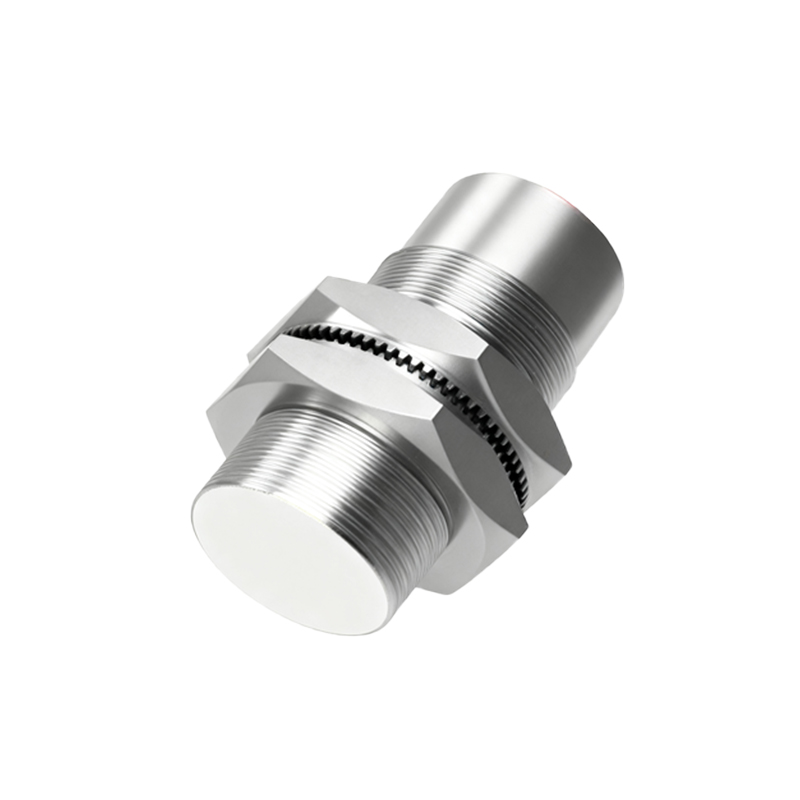
Despite their small size, leading manufacturers ensure these sensors do not compromise on durability. They are typically housed in robust materials like stainless steel or PBT plastic and offer high protection ratings (e.g., IP67), making them resistant to dust, coolants, and temporary immersion. This makes them suitable for harsh environments like machine tools, packaging equipment, and automated guided vehicles (AGVs).
When selecting a short proximity switch, several factors must be considered. The required sensing distance, which is shorter than standard models due to the smaller coil, must be evaluated against the application's needs. The target material is also crucial; inductive sensors are ideal for metals, while capacitive sensors are needed for plastics, liquids, or wood. Electrical requirements, such as the operating voltage (commonly 10-30V DC) and output type (PNP/NPN, NO/NC), must match the control system. Finally, the specific mechanical constraints—including thread size (e.g., M5, M8), barrel length, and connector type—will determine if the sensor can be physically installed.
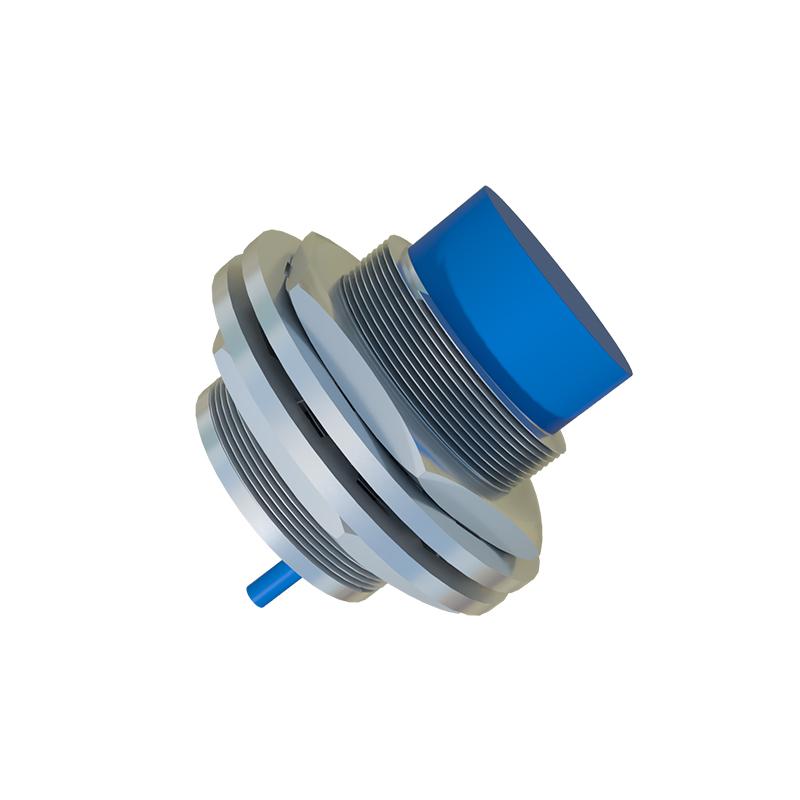
Installation, while straightforward, requires careful attention. Even a slight misalignment in such a confined space can drastically reduce the effective sensing range. Designers must ensure adequate clearance around the sensor body to prevent false triggers from the mounting bracket or nearby metal. Proper shielding or the use of factor-1 sensors (which ignore adjacent metal) may be necessary in ultra-dense installations.
The applications for these compact workhorses are vast and growing. They are pivotal in miniaturized medical devices for position feedback, in consumer electronics assembly lines for component verification, and in advanced automotive manufacturing for monitoring intricate sub-assemblies. As the trend towards miniaturization and Industry 4.0 continues, the demand for intelligent, compact sensing solutions like short proximity switches will only intensify.
In conclusion, short proximity sensor switches represent a critical evolution in sensing technology. By delivering robust performance in a minimal package, they solve spatial challenges and unlock new design possibilities across countless industries. For engineers and system integrators, understanding their capabilities and selection criteria is key to building more compact, efficient, and intelligent automated systems.