Proximity sensors capable of detecting objects at a distance of up to five meters represent a significant advancement in industrial automation, security systems, and smart infrastructure. Unlike traditional sensors with limited range, these long-range devices provide enhanced spatial awareness, enabling more complex and safer automated processes. The core technology enabling this five-meter detection capability varies, with inductive, capacitive, ultrasonic, and photoelectric (including laser) sensors being the most common types employed for such extended ranges.
Photoelectric sensors, particularly laser-based models, are frequently the technology of choice for achieving precise, long-distance detection. They operate by emitting a beam of light—often a focused laser—towards a target. A receiver then detects the presence or absence of the reflected beam. Time-of-flight (ToF) calculations or triangulation methods are used to determine the exact distance to the object, allowing for reliable detection at five meters and beyond. These sensors excel in applications requiring high accuracy and are less susceptible to environmental factors like color or material composition compared to some other types.
Ultrasonic sensors are another robust solution for five-meter proximity sensing. They work by emitting high-frequency sound waves and measuring the time it takes for the echo to return. This technology is highly effective for detecting a wide variety of objects, regardless of color, transparency, or material, making it versatile for challenging environments. However, factors such as temperature fluctuations, wind, and highly absorbent surfaces can sometimes influence their performance at maximum range.
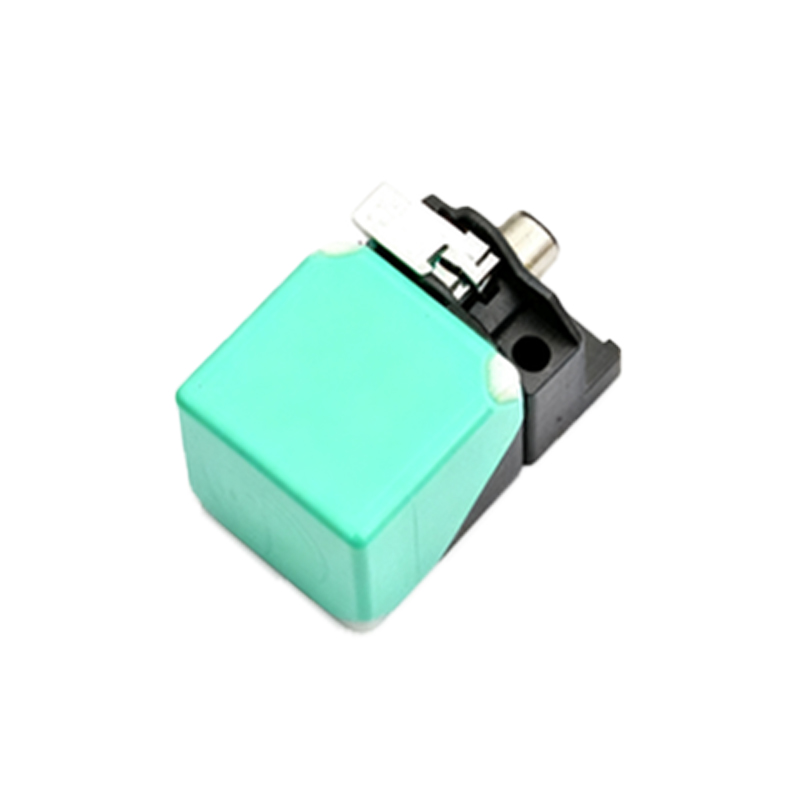
The applications for 5-meter proximity sensors are vast and growing. In industrial automation, they are crucial for presence detection on lengthy conveyor systems, monitoring large storage bays, and ensuring safety perimeters around heavy machinery or robotic work cells. A sensor placed five meters away can trigger warnings or shutdown sequences long before a person enters a hazardous zone. In the realm of smart parking and traffic management, these sensors monitor vehicle presence in large parking spaces or at toll gates, optimizing flow and providing real-time data. Security and access control systems utilize them to detect approaching persons or vehicles at gate entries, enabling automated lighting, announcements, or door operations.
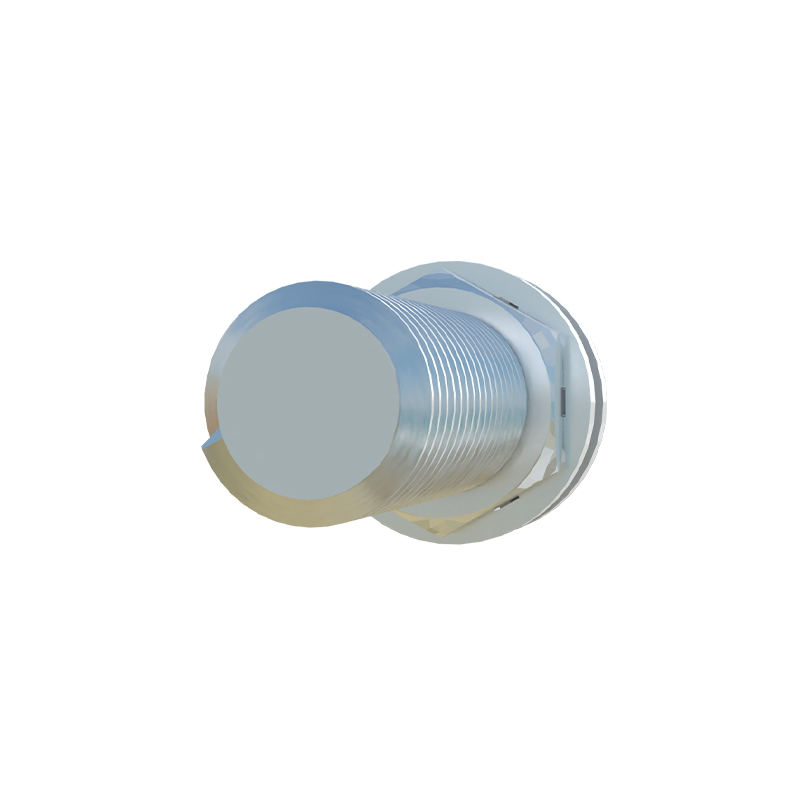
When selecting a 5-meter proximity sensor, several critical specifications must be considered beyond just the sensing range. The repeatability, or consistency of detection at the stated range, is paramount. Environmental ratings for ingress protection (IP codes) are essential for durability against dust and moisture, especially for outdoor installations. The response time determines how quickly the sensor can react to a change, a vital factor in high-speed automation. Finally, the output type—whether a simple digital switch (PNP/NPN), analog voltage/current, or a networked IO-Link signal—must be compatible with the control system.
Installation and alignment are key to achieving the stated five-meter performance. Sensors must be securely mounted to minimize vibration, and the sensing beam must be correctly aligned with the target path. For photoelectric sensors, keeping the lens clean is critical. Regular maintenance and testing under actual operating conditions ensure the sensor continues to perform reliably over time, preventing costly downtime or safety incidents.

The integration of these long-range sensors with the Industrial Internet of Things (IIoT) is unlocking new potentials. Sensor data, including distance readings and diagnostic information, can be transmitted to central platforms for predictive maintenance, process optimization, and comprehensive system analytics. This connectivity transforms the proximity sensor from a simple switching device into a smart node within a larger data-driven ecosystem.
In conclusion, 5-meter proximity sensors are indispensable tools that extend the reach of automated sensing. By providing reliable long-distance detection, they enhance safety, efficiency, and intelligence across manufacturing, logistics, security, and smart city applications. Understanding the different technologies, their ideal use cases, and proper implementation practices is essential for leveraging their full potential in an increasingly automated world.