Non-Contact Detection
The fundamental characteristic of a proximity sensor is its ability to detect the presence or absence of an object without any physical contact. This non-contact operation eliminates mechanical wear and tear on both the sensor and the target object, significantly enhancing the system's longevity and reliability. This feature is crucial in harsh industrial environments where contact-based switches would fail prematurely due to friction, contamination, or impact. It allows for the detection of fragile, delicate, or fast-moving objects that could be damaged or disrupted by a physical touch. The absence of moving parts in the sensing element itself translates to virtually maintenance-free operation over extended periods, a key factor in reducing total cost of ownership in automated systems.
High Switching Frequency and Response Speed
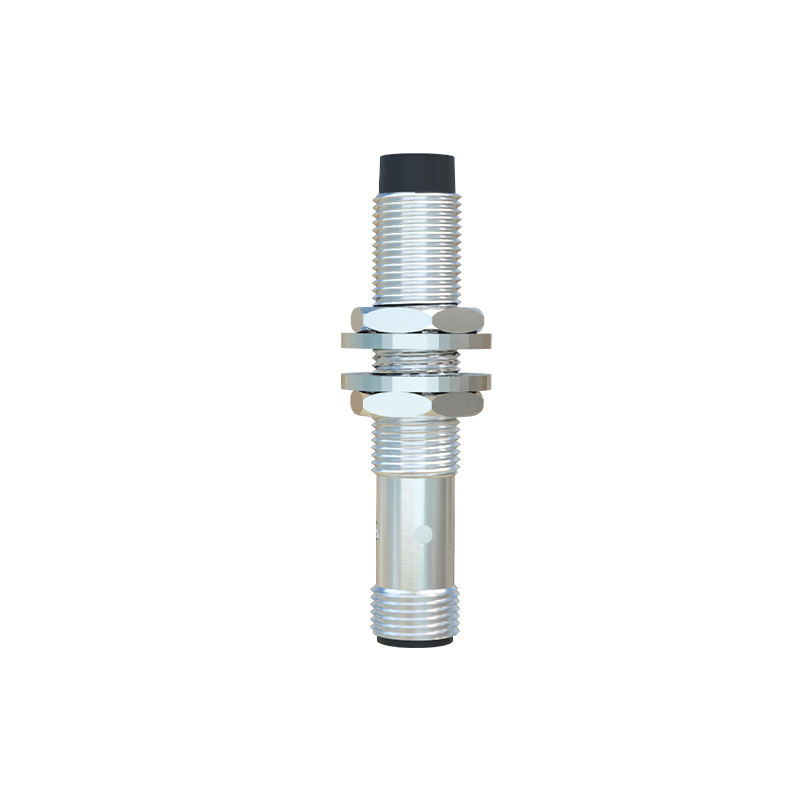
Modern proximity sensors offer exceptionally high switching frequencies and rapid response times, which are essential for high-speed automation and precision control. Inductive and capacitive sensors, for example, can achieve switching frequencies up to several kilohertz, allowing them to detect objects on fast-moving conveyor belts or in rapid assembly processes. The response time, typically measured in microseconds or milliseconds, ensures that control signals are generated almost instantaneously upon detection. This characteristic is vital for applications requiring precise positioning, counting, or synchronization, such as in packaging machinery, robotic pick-and-place systems, and high-volume production lines where every millisecond impacts throughput.
Environmental Robustness and Resistance
Industrial-grade proximity sensors are engineered to withstand challenging operating conditions. They are commonly housed in robust metallic (e.g., stainless steel) or high-strength polymer casings with high Ingress Protection (IP) ratings, such as IP67 or IP69K, making them resistant to dust, water, oils, and coolants. Many models are designed to endure significant temperature variations, strong vibrations, and electromagnetic interference (EMI) commonly found in factory settings. This resilience ensures stable and accurate performance in diverse applications, from machine tools and welding equipment to food processing and outdoor installations, without requiring frequent calibration or replacement.
Variety of Sensing Principles and Ranges
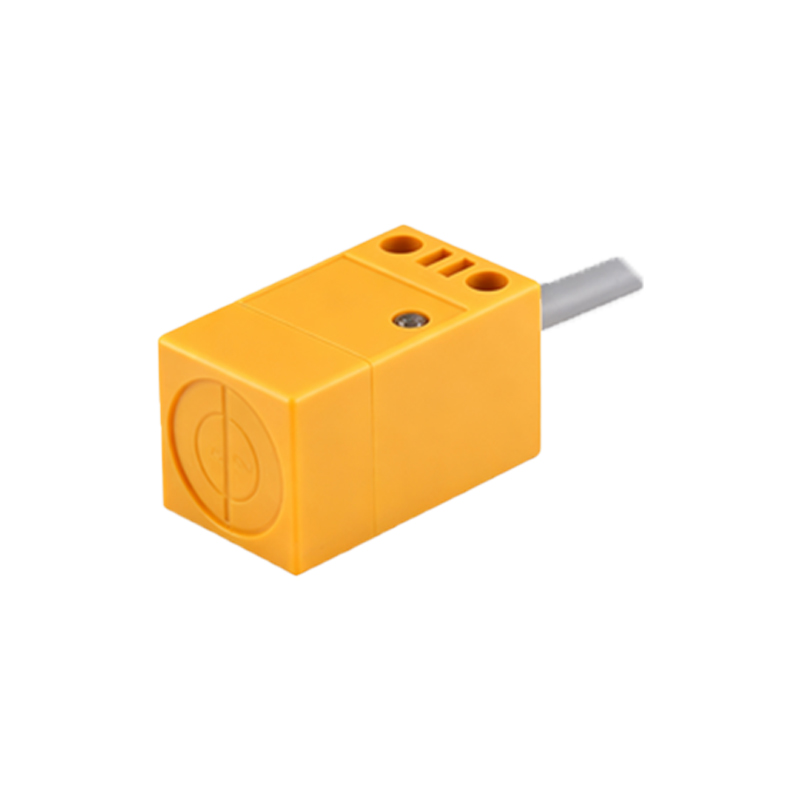
Proximity sensors are not a one-size-fits-all technology; they operate on different physical principles tailored to specific target materials and applications. Inductive sensors detect metallic objects, capacitive sensors detect both metallic and non-metallic materials (like plastics, liquids, or wood), and ultrasonic sensors use sound waves for longer-range detection. Photoelectric sensors utilize light beams. Each type has a defined nominal sensing range (Sn), which is the standard operating distance. A critical characteristic is the repeatability within this range—the sensor's ability to consistently detect an object at the same point under unchanged conditions, which is paramount for precision applications.
Output Configuration and Electrical Compatibility
The electrical output of a proximity sensor is a key functional characteristic. Sensors are available with different output types, primarily solid-state switches like NPN (sinking) or PNP (sourcing) transistors, and sometimes analog (4-20 mA or 0-10 V) or IO-Link digital outputs for advanced diagnostics and parameterization. They are designed to be directly compatible with Programmable Logic Controllers (PLCs) and other industrial control systems. The choice of output depends on the electrical architecture of the control cabinet. Furthermore, many sensors feature short-circuit, overload, and reverse polarity protection, safeguarding both the sensor and the connected control circuitry from wiring errors or fault conditions.
Mounting Flexibility and Form Factors
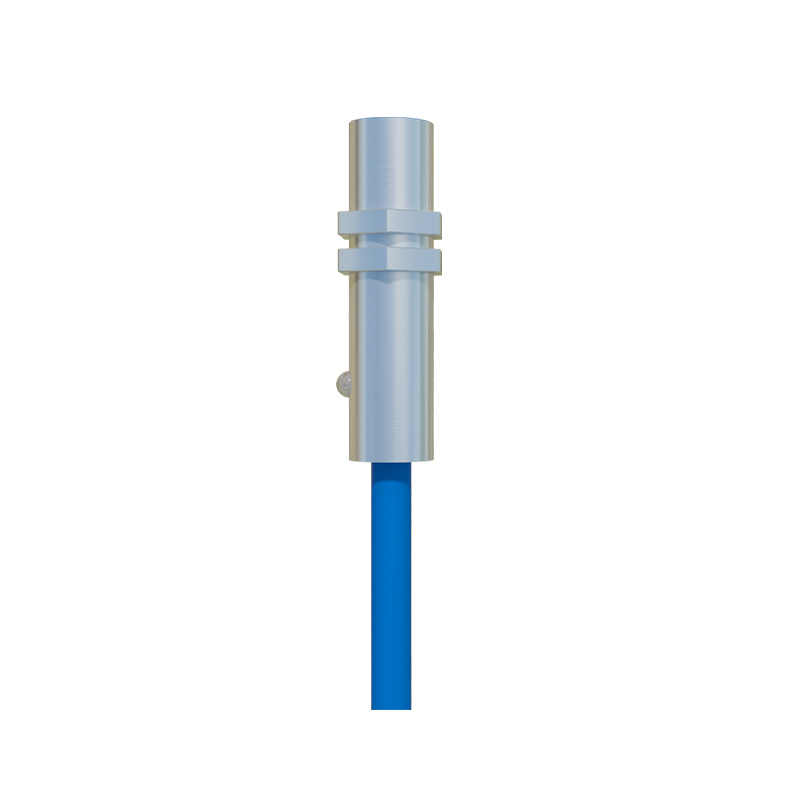
To accommodate diverse installation requirements, proximity sensors come in a wide array of form factors and mounting styles. Common designs include cylindrical threaded barrels (e.g., M8, M12, M18, M30), rectangular block styles, and ring or slot shapes for specialized applications. They can be flush-mounted (embedded in metal) or non-flush mounted, which affects their sensing range and surrounding metal immunity. This variety in housing and mounting options allows engineers to integrate sensors into tight spaces, on moving machine parts, or in standardized connector systems, facilitating easier maintenance and replacement in global manufacturing setups.
Diagnostic Features and Smart Functionality
Advanced proximity sensors now incorporate intelligent diagnostic capabilities that go beyond simple on/off switching. Features like built-in LED indicators for power and output status provide immediate visual feedback. More sophisticated "smart" sensors with IO-Link communication can report operational parameters such as temperature, switch cycle count, signal strength, and even warnings for contamination or reduced sensing distance due to mechanical misalignment. This characteristic enables predictive maintenance, allowing technicians to address potential issues before they cause unplanned downtime, thereby increasing overall equipment effectiveness (OEE) and supporting Industry 4.0 data-driven manufacturing initiatives.