Introduction to Square Proximity Sensors
Square proximity sensors are a specialized category of non-contact detection devices widely used in industrial automation. Characterized by their distinct cubic or rectangular housing, these sensors offer unique advantages in mounting, sensing range consistency, and environmental resilience compared to their cylindrical counterparts. Their design inherently provides a stable and flat surface for secure installation, which is crucial in high-vibration environments. The primary function remains the detection of metallic or, in some variants, non-metallic objects without physical contact, utilizing electromagnetic or capacitive principles. The square form factor is not merely an aesthetic choice but an engineering solution to meet specific spatial and performance requirements in complex machinery and tight production lines.
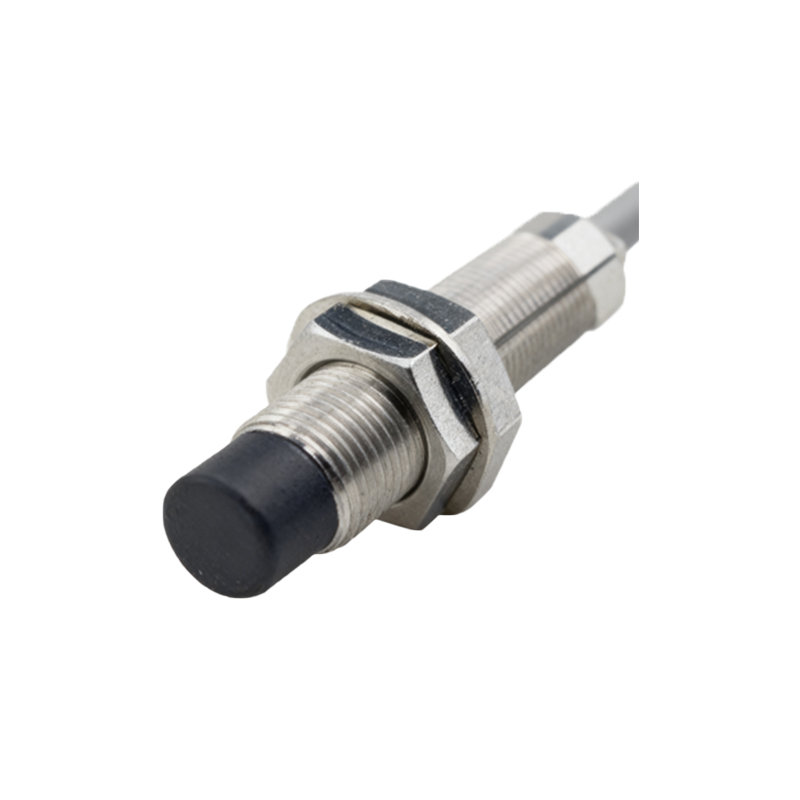
Operating Principles and Sensing Technologies
The core technology behind most square proximity sensors is based on the inductive principle for metal detection. An oscillator circuit generates a high-frequency electromagnetic field from the active face of the sensor. When a metallic target enters this field, eddy currents are induced in the target, causing a load on the oscillator. This change is detected by the sensor's circuitry, which then switches the output state. For detecting non-metallic materials like plastics, liquids, or wood, square capacitive proximity sensors are employed. These measure changes in capacitance caused by the presence of any material that alters the dielectric constant near the sensing face. Hall-effect sensors, another type found in square housings, are used for detecting permanent magnets, commonly in position sensing for cylinders.
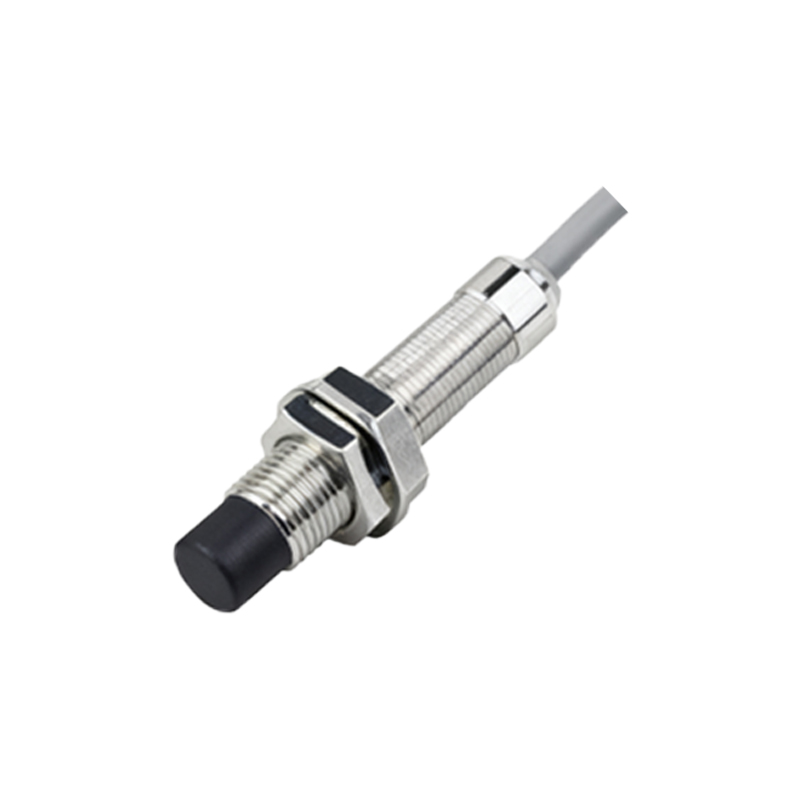
Key Features and Design Advantages
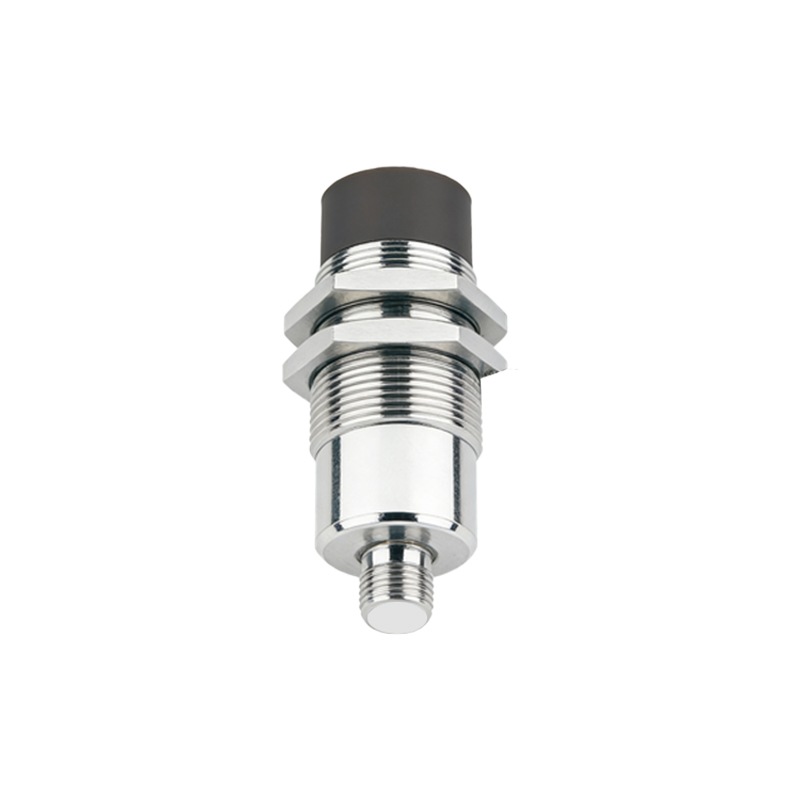
The square housing offers several tangible benefits. Firstly, it prevents rotation after installation, ensuring the sensing face remains precisely aligned. Many models feature multiple mounting holes or grooves for versatile attachment. The flat sides allow for easier side-by-side mounting without the need for special brackets, maximizing space efficiency in control panels or on machinery. The housing, typically made from robust materials like nickel-plated brass, stainless steel, or PBT plastic, provides a high degree of protection (often IP67 or IP69K) against dust, water, oils, and coolants. This makes them ideal for harsh manufacturing, packaging, and automotive assembly environments.
Output Configurations and Electrical Connections
Square proximity sensors are available with various output types to interface with different control systems. The two main categories are DC (Direct Current) and AC (Alternating Current) models. DC sensors are more common and come in three-wire configurations with NPN (sinking) or PNP (sourcing) transistor outputs, compatible with programmable logic controllers (PLCs). Some advanced models feature analog (4-20 mA or 0-10V) or IO-Link outputs for continuous distance measurement and digital communication. Electrical connection is typically achieved via pre-wired cables with M12 or M8 quick-disconnect connectors, or through built-in terminal blocks, facilitating easy wiring and maintenance.
Selecting the Right Sensor for Your Application
Choosing an appropriate square proximity sensor requires careful consideration of several parameters. The sensing distance, or nominal range, must be specified, keeping in mind that factors like target material, size, and shape can affect performance. The mounting style—flush, non-flush, or with a shield—directly influences the effective sensing range. Environmental conditions dictate the required ingress protection (IP) rating and housing material. For instance, stainless steel housings are necessary for washdown areas in food processing. The switching frequency defines how fast the sensor can detect objects, critical for high-speed production lines. Finally, the output type must match the input requirements of the connected controller.
Common Industrial Applications and Use Cases
The robustness and reliability of square proximity sensors make them indispensable across numerous sectors. In automotive manufacturing, they are used for part presence verification on conveyor pallets, end-of-stroke detection on welding robots, and tool positioning in machining centers. In material handling, they detect the position of crates, pallets, and shuttle cars. Packaging machinery utilizes them to count products, monitor fill levels, and control gate operations. Their flat design is particularly advantageous in metalworking for tool breakage detection on CNC lathes and monitoring sheet metal positions in stamping presses.
Installation Tips and Best Practices
Correct installation is paramount for optimal sensor performance. Ensure the target approaches the sensor perpendicular to its sensing face. Maintain the specified nominal sensing distance, considering the reduction factor for different metals (e.g., stainless steel may reduce the range compared to mild steel). When mounting multiple sensors side-by-side, adhere to the manufacturer's minimum separation distances to prevent mutual interference. For flush-mountable sensors, ensure they are installed in a metal bracket to limit the lateral magnetic field, while non-flush models require free space around the sensing face. Always verify the electrical wiring according