Introduction to Intelligent Proximity Sensors
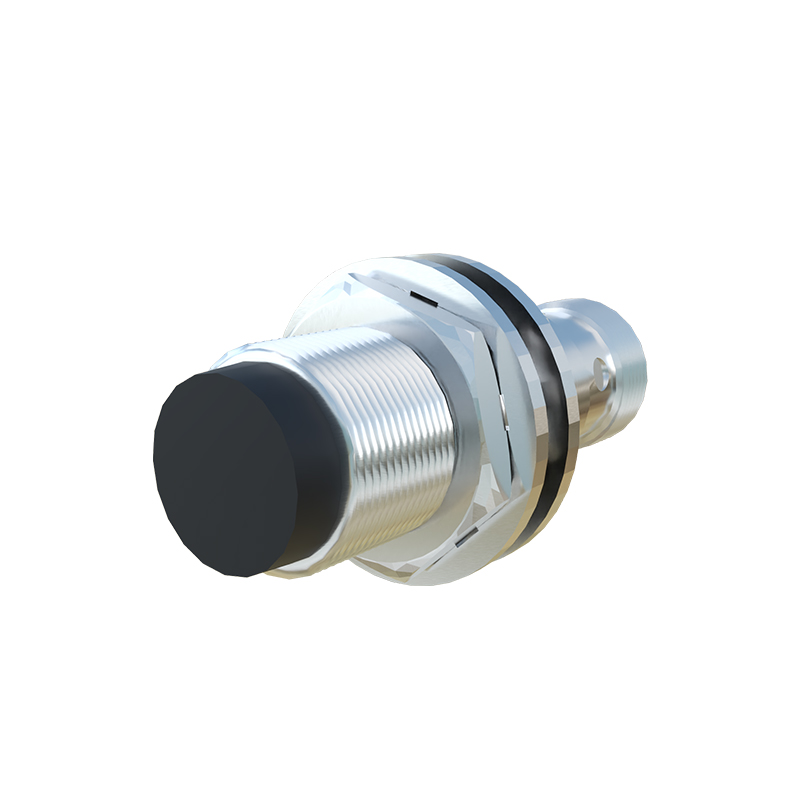
Intelligent proximity sensors represent a significant advancement in industrial automation, combining traditional sensing capabilities with smart features such as data processing, communication, and self-diagnosis. These devices detect the presence or absence of objects without physical contact, utilizing technologies like inductive, capacitive, ultrasonic, and photoelectric methods. The integration of microprocessors and IoT connectivity enables real-time monitoring, predictive maintenance, and seamless integration into Industry 4.0 systems. As industries strive for higher efficiency and reduced downtime, the demand for intelligent proximity sensors has surged, driving innovation in supply chains and manufacturing processes. Suppliers now focus on delivering sensors with enhanced accuracy, durability, and interoperability to meet diverse industrial needs.
Key Technologies Driving Innovation
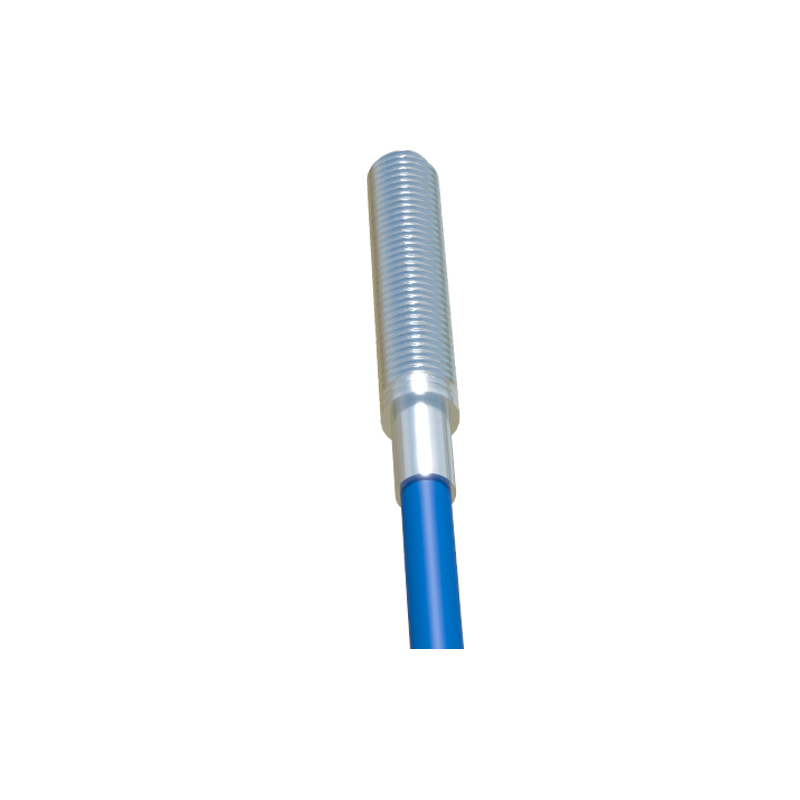
The evolution of intelligent proximity sensors is fueled by several cutting-edge technologies. Embedded AI algorithms allow sensors to learn from environmental data, improving detection reliability in complex scenarios. Wireless communication protocols, such as IO-Link and Bluetooth, facilitate easy data exchange with control systems, enabling remote configuration and troubleshooting. Additionally, advancements in materials science have led to robust designs resistant to harsh conditions like extreme temperatures, moisture, and vibrations. Energy-efficient components extend battery life in wireless models, supporting sustainable operations. These innovations ensure that modern sensors not only perform basic functions but also contribute to overall system intelligence, optimizing production lines and reducing manual intervention.
Supply Chain Dynamics and Market Trends
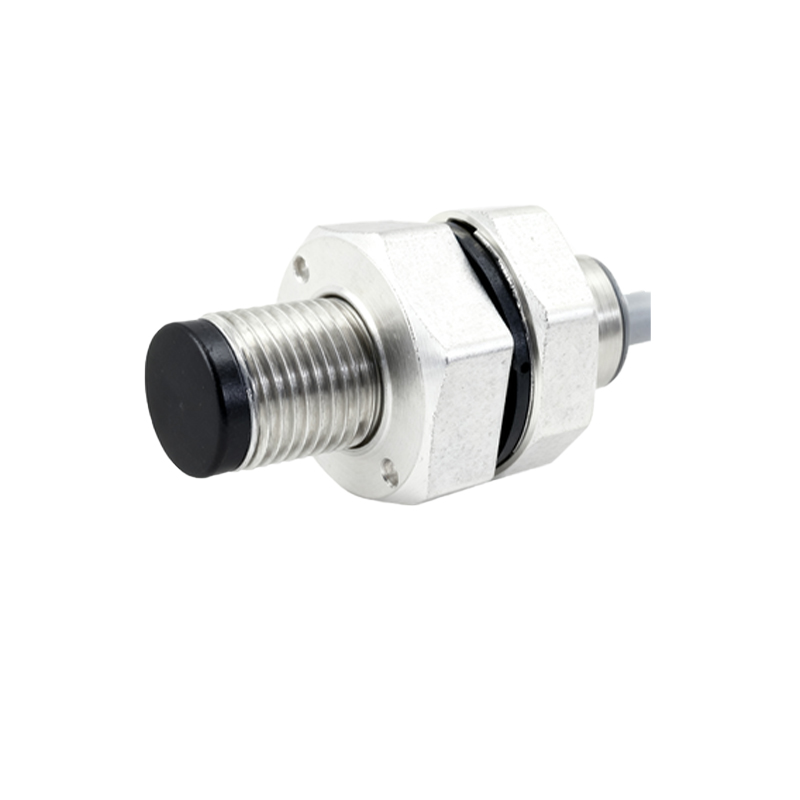
The supply of intelligent proximity sensors is influenced by global market trends, including the rise of automation in sectors like automotive, packaging, and pharmaceuticals. Major suppliers are expanding their portfolios to include customizable solutions, catering to specific industry requirements. Just-in-time manufacturing and localized production hubs help mitigate supply chain disruptions, ensuring timely delivery. Sustainability initiatives are also shaping supply practices, with companies adopting eco-friendly materials and recycling programs. As competition intensifies, suppliers emphasize quality certifications, such as ISO standards, to build trust. The market is projected to grow steadily, driven by increased adoption in smart factories and IoT ecosystems, prompting suppliers to invest in R&D for next-generation sensors.
Applications Across Industrial Sectors
Intelligent proximity sensors find applications in numerous industries, enhancing safety and productivity. In automotive manufacturing, they monitor assembly lines for precise part positioning and collision avoidance. Packaging facilities use them to detect object presence on conveyor belts, ensuring smooth operations. In the pharmaceutical sector, sensors maintain sterile environments by tracking equipment movements. Agriculture benefits from soil and crop monitoring, while logistics relies on sensors for inventory management and automated guided vehicles. These diverse use cases demonstrate the versatility of intelligent sensors, with suppliers tailoring designs to withstand sector-specific challenges, such as chemical exposure or high-speed processes.
Challenges in Implementation and Supply
Despite their advantages, implementing intelligent proximity sensors poses challenges. High initial costs can deter small and medium enterprises, though long-term savings from reduced maintenance often justify the investment. Technical complexities require skilled personnel for installation and integration, highlighting a need for training programs. Supply chain issues, such as semiconductor shortages, occasionally delay production, urging suppliers to diversify sourcing. Compatibility with legacy systems remains a concern, necessitating adaptable interfaces. To address these hurdles, suppliers offer comprehensive support, including documentation, software tools, and consultancy services, ensuring smooth adoption and maximizing sensor benefits in industrial settings.
Future Outlook and Industry Impact
The future of intelligent proximity sensor supply looks promising, with trends pointing toward greater miniaturization, enhanced connectivity, and AI-driven autonomy. Emerging technologies like 5G and edge computing will enable faster data processing and lower latency, expanding sensor applications in real-time control systems. Suppliers are likely to focus on developing interoperable platforms that integrate seamlessly with cloud-based analytics, fostering smart decision-making. As industries embrace digital transformation, the demand for reliable, intelligent sensors will continue to rise, shaping supply strategies toward agility and innovation. Ultimately, these advancements will drive efficiency, safety, and sustainability across global industrial landscapes.