Understanding Proximity Sensor Switch Fundamentals
Proximity sensor switches are critical components in modern industrial automation, designed to detect the presence or absence of objects without physical contact. These devices operate based on electromagnetic, capacitive, or inductive principles, offering reliable performance in harsh environments. The selection of a proximity switch depends on factors such as sensing range, material compatibility, and environmental conditions. Standard models are available for general purposes, but many industrial applications require customized solutions to meet specific operational demands. Customization ensures that the sensor integrates seamlessly into complex machinery, enhancing efficiency and reducing downtime. Engineers must consider the core technology, output type, and housing design when planning a custom proximity switch project.
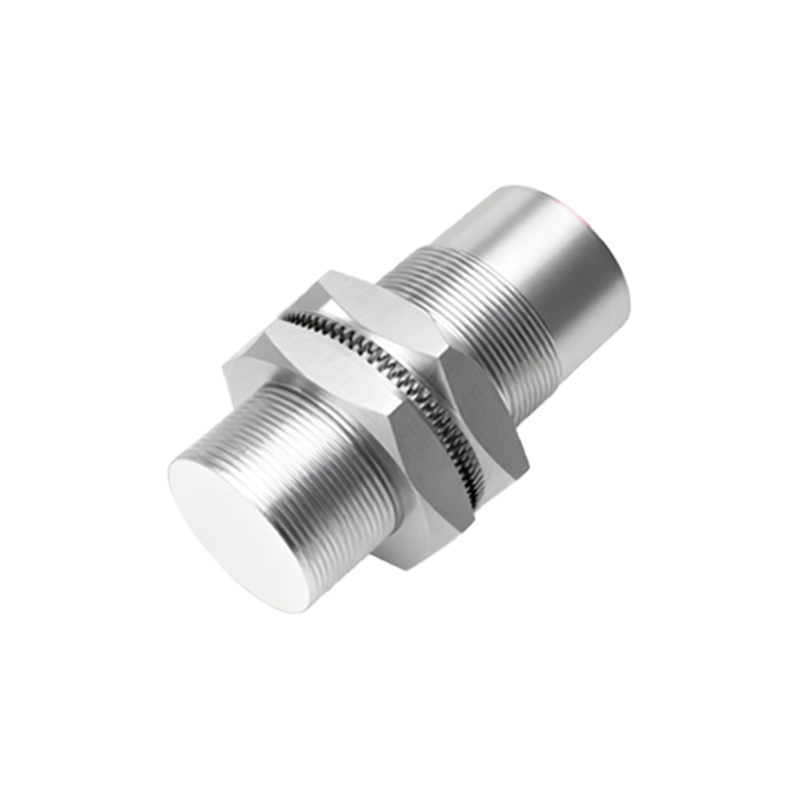
Key Parameters for Custom Proximity Switch Design
Customizing a proximity sensor switch involves defining precise technical parameters to align with application requirements. Sensing distance is a primary consideration, as it determines how far the switch can detect an object. This parameter must account for target material, size, and movement speed. Output configuration, such as NPN, PNP, or analog signals, must match the control system's input specifications. Environmental factors like temperature extremes, humidity, and exposure to chemicals or dust necessitate robust housing materials, such as stainless steel or specialized plastics. Additionally, electrical requirements, including voltage range and current capacity, must be specified to ensure compatibility with existing power supplies. Engineers should also evaluate response time and switching frequency to maintain system synchronization.
Industry Standards and Compliance Requirements
Adherence to international standards is essential for custom proximity sensor switches to ensure safety, reliability, and interoperability. Standards such as IEC 60947-5-2 outline performance and testing criteria for inductive and capacitive proximity devices. In hazardous locations, certifications like ATEX or IECEx may be required for switches used in explosive atmospheres. Compliance with IP (Ingress Protection) ratings, such as IP67 or IP69K, guarantees resistance to dust and water ingress, which is crucial for outdoor or washdown applications. Electromagnetic compatibility (EMC) standards, including EN 61000-6-2, help prevent interference with other electronic equipment. Manufacturers must document conformity to these standards, providing test reports and certification marks for customer verification.
Material Selection and Durability Considerations
The choice of materials significantly impacts the durability and functionality of custom proximity switches. For inductive sensors, ferrite cores and copper coils are common, while capacitive variants may use conductive electrodes. Housing materials must withstand mechanical stress, corrosion, and temperature variations. Stainless steel, such as 316L grade, is preferred for corrosive environments, whereas PBT or PVDF plastics offer cost-effective solutions for less demanding settings. Seals and gaskets, often made from silicone or Viton, protect internal components from moisture and contaminants. In food or pharmaceutical industries, FDA-approved materials ensure compliance with hygiene regulations. Engineers should collaborate with suppliers to select materials that balance performance, longevity, and budget constraints.
Integration and Testing Protocols
Successful integration of custom proximity switches requires thorough testing and validation. Prototypes should undergo functional tests to verify sensing accuracy under simulated operating conditions. Environmental testing, including thermal cycling and vibration resistance, confirms durability in real-world scenarios. Electrical tests assess output stability and power consumption across the specified voltage range. Compatibility with programmable logic controllers (PLCs) or other control systems must be validated through communication protocol checks, such as IO-Link or Ethernet/IP. Manufacturers typically provide documentation, including wiring diagrams and calibration guidelines, to facilitate installation. Post-installation, periodic maintenance and recalibration may be necessary to sustain optimal performance over the sensor's lifecycle.
Future Trends in Proximity Sensor Customization
Advancements in technology are driving evolution in proximity sensor switch customization. The integration of smart features, such as IoT connectivity and predictive maintenance capabilities, allows for real-time monitoring and data analytics. Miniaturization enables sensors to fit into compact spaces without sacrificing range or accuracy. Energy-efficient designs reduce power consumption, supporting sustainable operations. Additionally, the use of advanced materials, like graphene or ceramics, may enhance sensitivity and temperature tolerance. Industry 4.0 initiatives promote standardization of communication protocols, simplifying customization for interconnected systems. Engineers should stay informed about these trends to develop future-proof solutions that improve automation efficiency and adaptability.