Introduction to Water Level Proximity Switches in HVAC Systems
In modern HVAC (Heating, Ventilation, and Air Conditioning) systems, precise water level control is paramount for efficient and safe operation. This is particularly true for components like cooling towers, condensate drain pans, humidifiers, and air handler units. The air conditioning water level proximity switch sensor is a critical component in this control scheme. Unlike traditional float switches, these sensors operate without mechanical contact with the liquid, offering higher reliability, reduced maintenance, and greater longevity. They detect the presence or absence of water (or other liquids) at a predetermined point, sending a signal to the building management system or control unit to initiate actions such as activating a drain pump, shutting down equipment to prevent overflow, or triggering an alarm.
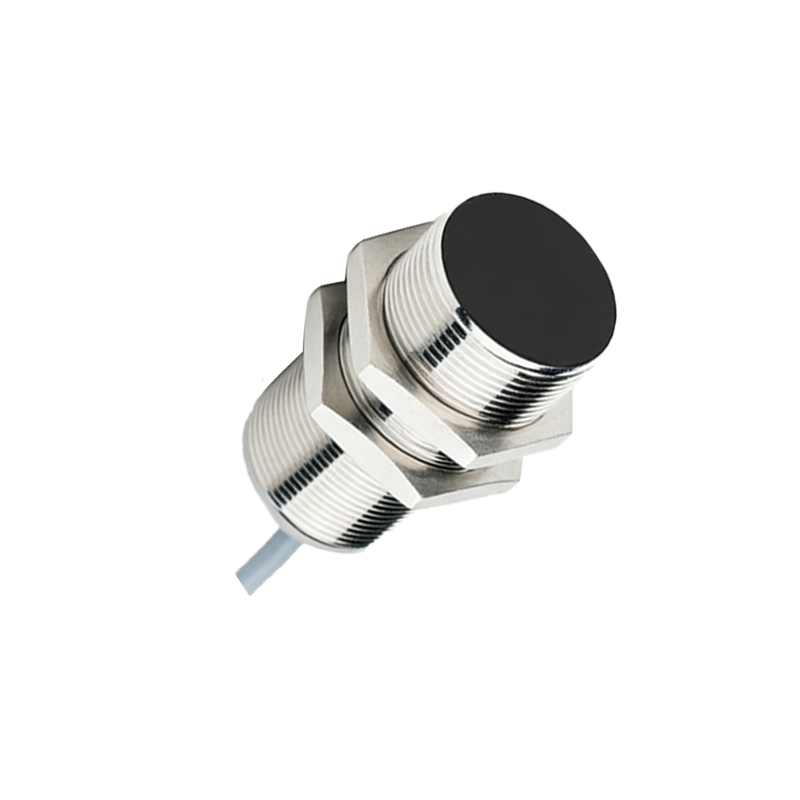
Core Operating Principles and Technologies
Several sensing technologies are employed in proximity switches for liquid level detection in air conditioning applications. The most common are capacitive and optical sensors. Capacitive proximity sensors detect changes in the dielectric constant. When air (with a low dielectric constant) is replaced by water (with a high dielectric constant) near the sensor's active face, the capacitance changes, triggering the switch. These sensors can often detect liquids through non-metallic tank walls, allowing for external mounting. Optical sensors, on the other hand, use an infrared LED and a phototransistor. In the absence of liquid, the infrared light reflects internally within the sensor tip. When liquid covers the tip, the light refracts into the liquid, causing a drop in the received light intensity at the phototransistor, which changes the output state. Each technology has its advantages: capacitive sensors are robust against contamination, while optical sensors offer very high precision and fast response.
Key Design Considerations and Specifications
Selecting the appropriate water level proximity switch requires careful analysis of several parameters. The sensing distance, or the maximum range from which the sensor can reliably detect the liquid surface, is crucial. Material compatibility is non-negotiable; the sensor housing and sensing face (often made from PPS, PVDF, or stainless steel) must be resistant to corrosion from water, algae, treatment chemicals, and condensate. The output type is another key decision: PNP (sourcing) or NPN (sinking) transistor outputs are standard for connecting to PLCs (Programmable Logic Controllers). The operating voltage range (commonly 10-30V DC) must match the control system's supply. Additionally, factors like response time, temperature rating, and ingress protection (IP67 or IP69K ratings are common for wash-down or outdoor environments) are vital for ensuring reliable operation in the demanding conditions of HVAC equipment.
Typical Installation and Application Scenarios
Proper installation is critical for optimal performance. The sensor must be mounted at the exact level where detection is required, such as the high-level alarm point in a condensate pan or the low-level cutoff in a humidifier reservoir. Mounting hardware must secure the sensor firmly to prevent vibration-induced errors. For capacitive sensors mounted externally, the tank wall material and thickness must be within the sensor's specified capabilities. Wiring should follow manufacturer guidelines, with attention to shielding in electrically noisy environments. Common applications include: preventing overflow in air handler drain pans by activating a pump or shutting down the unit; ensuring adequate water level in evaporative coolers; controlling makeup water in cooling towers; and providing low-water safety cutoffs for steam humidifiers. In each case, the proximity switch acts as the primary sentinel against water damage and equipment malfunction.
Maintenance, Troubleshooting, and Best Practices
While non-contact sensors require less maintenance than mechanical floats, they are not infallible. Regular inspection is recommended. For optical sensors, the lens can become coated with mineral deposits, algae, or slime, leading to false triggering or failure to detect. Periodic cleaning with a soft cloth and appropriate cleaner is necessary. Capacitive sensors can be affected by material buildup on the sensing face, which alters the dielectric constant. Environmental factors such as excessive humidity, temperature extremes, or electrical interference can also cause issues. Troubleshooting typically involves verifying power supply, checking output state with a multimeter, and inspecting for physical damage or contamination. Best practices include selecting a sensor with an appropriate IP rating for the environment, following installation guidelines precisely, and integrating the sensor into a system that provides diagnostic feedback or alarm annunciation for fault conditions.
Advancements and Future Trends
The evolution of water level sensing in HVAC is moving towards greater integration and intelligence. Modern proximity switches now often feature IO-Link communication, a point-to-point serial communication protocol. This allows for not only simple switch status but also the transmission of detailed diagnostic data (