In the evolving landscape of industrial automation, space constraints and design integration have become critical challenges. Among the innovative solutions emerging, proximity sensors designed in a cigarette rod form factor offer a compelling answer. These slender, cylindrical sensors, typically measuring around 6mm to 12mm in diameter, mimic the shape and size of a traditional cigarette, allowing for installation in extremely tight spaces where conventional sensors simply cannot fit. Their compact design does not compromise functionality, providing reliable non-contact detection of metallic or non-metallic objects depending on the sensing technology employed.
The primary technologies enabling these sensors include inductive, capacitive, and sometimes even optical principles, miniaturized into the rod-like housing. Inductive variants are most common, detecting the presence of ferrous and non-ferrous metals without physical contact. They generate an electromagnetic field from the sensor's face; when a metal object enters this field, it causes a change that the sensor circuitry detects, triggering an output signal. This makes them ideal for high-speed counting, position verification, or end-of-travel detection in machinery. Capacitive models, on the other hand, can detect a wider range of materials, including liquids, plastics, and wood, by sensing changes in capacitance. This versatility is invaluable in packaging, material handling, and level sensing applications.
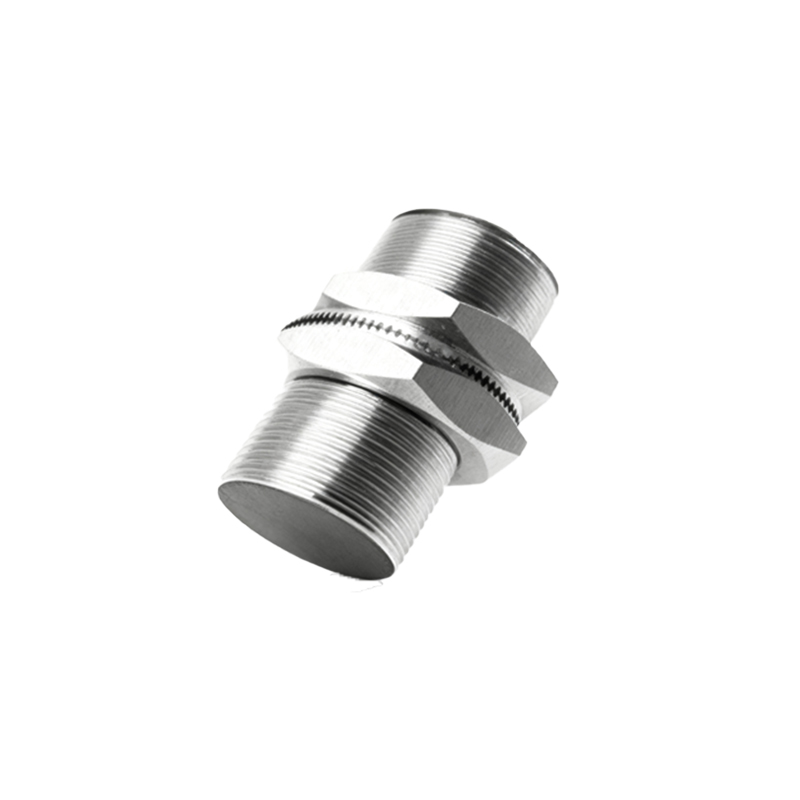
The defining advantage of the cigarette rod form factor is its minimal installation footprint. Traditional block-style or larger cylindrical sensors can be obstructive, requiring more mounting space and potentially interfering with moving parts. The slender rod sensor can be threaded directly into a drilled hole, often secured with a locknut, sitting flush with or protruding only slightly from a machine surface. This streamlined integration reduces the risk of accidental impacts and contributes to a cleaner, more protected machine design. Furthermore, many models feature built-in LED status indicators and offer both PNP (sourcing) and NPN (sinking) output configurations, ensuring compatibility with a broad spectrum of Programmable Logic Controllers (PLCs) and control systems.
Durability is a cornerstone of their design. Housed in stainless steel, brass, or nickel-plated brass, these sensors are built to withstand harsh industrial environments. They are typically rated with high Ingress Protection (IP) codes, such as IP67 or IP69K, making them resistant to dust, water jets, and even temporary immersion. This robustness ensures reliable operation in automotive manufacturing, food and beverage processing, and pharmaceutical production, where washdowns and exposure to coolants or oils are common. Their vibration and shock resistance further enhance longevity in demanding applications.
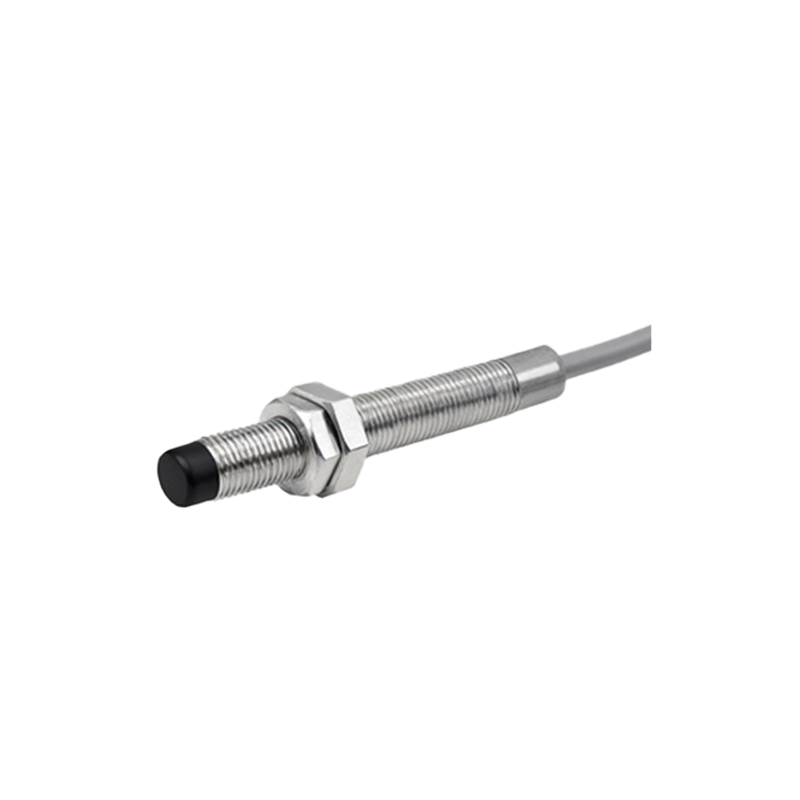
When selecting a cigarette rod proximity sensor, key specifications must be considered. Sensing distance, while shorter than larger sensors due to size constraints, is precisely defined—often a few millimeters. Factors like the target material, size, and required switching frequency directly influence model choice. Installation is straightforward but requires precision; the sensor must be positioned correctly relative to the target, and adequate clearance around the sensing face is necessary to prevent false triggers from the mounting material itself (a phenomenon known as "shielding").
In practice, these sensors are ubiquitous. On a high-speed bottling line, they silently verify cap presence. Within a CNC machine, they confirm tool position or detect a broken tool. In automated assembly, they ensure a component is present before a robotic arm proceeds. Their low-profile nature is also beneficial in collaborative robot (cobot) workcells, where minimizing protrusions enhances safety.
Looking ahead, the integration of IO-Link communication into these compact housings represents a significant trend. This smart sensor capability allows for parameter adjustment, real-time diagnostics, and condition monitoring data to be communicated directly to the control system, paving the way for predictive maintenance and Industry 4.0 applications. The humble cigarette rod sensor, therefore, is far from a simple component; it is a critical enabler of efficiency, reliability, and intelligent automation in space-conscious modern manufacturing. Its continued evolution will focus on extending sensing ranges, enhancing smart features, and improving resilience to electromagnetic interference, solidifying its role as a fundamental building block in the automated factories of today and tomorrow.