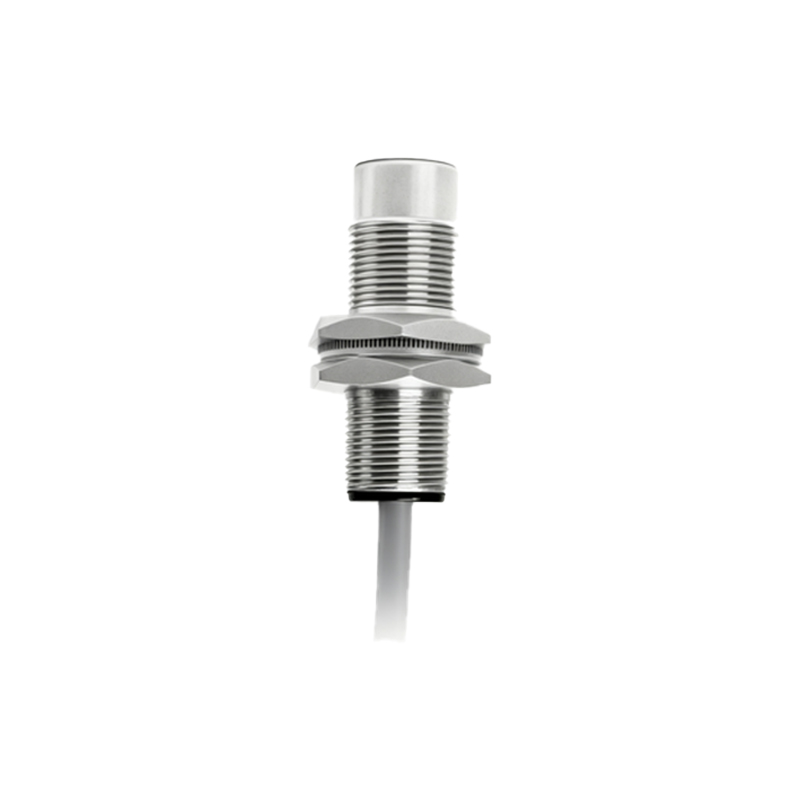
Proximity sensors are essential components in modern automation and electronic systems, designed to detect the presence or absence of an object without physical contact. Their construction varies based on the underlying technology, but they generally share common structural elements that enable reliable operation. Understanding how these sensors are built provides insight into their functionality and applications across industries.
The core of a proximity sensor typically consists of four main parts: the sensing element, oscillator circuit, signal processing unit, and output stage. The sensing element is responsible for generating an electromagnetic field or beam, depending on the sensor type. In inductive proximity sensors, this element is a coil wound around a ferrite core, which creates an oscillating magnetic field. When a metallic object enters this field, eddy currents are induced, altering the oscillation amplitude. Capacitive sensors, on the other hand, use conductive plates to form an electrostatic field, detecting changes when any material—metallic or non-metallic—enters the sensing range.
Surrounding the sensing element is the oscillator circuit, which generates a high-frequency signal to drive the sensor. This circuit maintains consistent oscillation until an object disrupts the field, causing a change in frequency or amplitude. The signal processing unit, often comprising amplifiers and comparators, interprets this change. It filters out noise and converts the analog signal into a digital form for precise detection. Advanced sensors may include microcontrollers for programmable features like adjustable sensing ranges or delay functions.
The output stage translates the processed signal into a usable form, such as a switching signal for control systems. Common output types include NPN or PNP transistors for DC sensors, and relay or solid-state switches for AC variants. Some sensors offer analog outputs (e.g., 4-20 mA or 0-10 V) for distance measurement applications. Housing materials, usually made of stainless steel, brass, or plastic, protect internal components from environmental factors like dust, moisture, or mechanical stress. Sealing standards like IP67 ensure durability in harsh conditions.
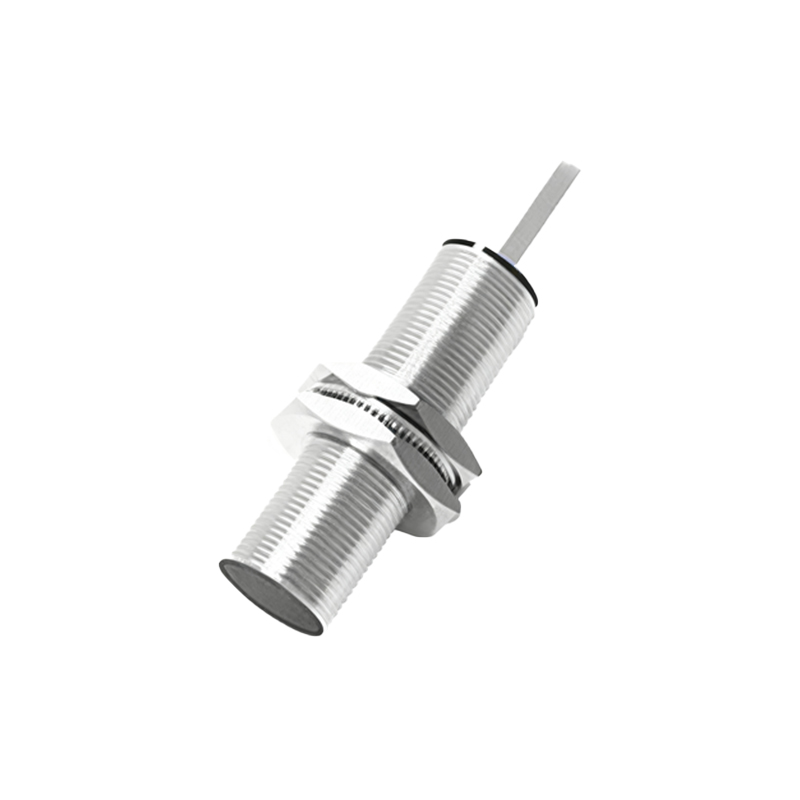
Proximity sensors are categorized by detection principles. Inductive sensors excel in metal detection for machinery safety, while capacitive sensors handle liquids or granular materials in packaging lines. Photoelectric sensors use infrared or laser beams for long-range detection, and ultrasonic sensors rely on sound waves for complex surfaces. Each type’s construction is tailored to its operating environment—for instance, high-temperature variants incorporate heat-resistant materials, and washdown models feature enhanced sealing.
Installation considerations impact sensor performance. Factors like mounting style (flush or non-flush), sensing distance, and electrical connections (2-wire, 3-wire, or 4-wire) must align with application needs. Regular maintenance involves checking for contamination or misalignment, though non-contact design minimizes wear. Innovations in miniaturization and IoT integration are expanding their use in robotics and smart devices. By combining robust construction with precise electronics, proximity sensors enable efficient, contactless operation in diverse fields from automotive assembly to consumer electronics.