Proximity sensors are widely utilized across various industries for their ability to detect the presence or absence of objects without physical contact. These devices are integral to automation, safety systems, and consumer electronics. However, they are often referred to by different names depending on their specific technology, application, or regional terminology. Understanding these alternative terms can help in selecting the right sensor for a project and improving technical communication.
One common alternative name for proximity sensors is "non-contact sensors." This term emphasizes their primary characteristic: the ability to sense objects without touching them. Non-contact sensors are favored in environments where physical interaction could cause damage, contamination, or wear. For instance, in manufacturing lines, they detect components on conveyor belts, ensuring smooth operations without mechanical interference. Another related term is "presence sensors," which highlights their function in confirming whether an object is within a defined range. This name is frequently used in security systems and automated lighting, where detecting human presence triggers actions like alarms or energy-saving modes.
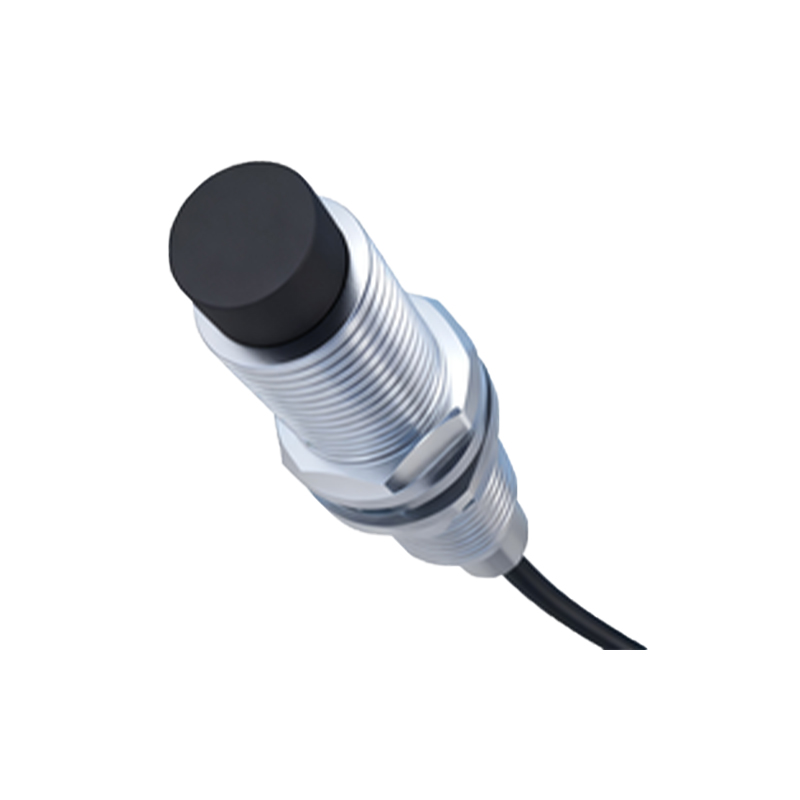
In technical contexts, proximity sensors are sometimes called "inductive sensors" or "capacitive sensors," based on their underlying working principles. Inductive sensors generate an electromagnetic field to detect metallic objects, making them ideal for industrial settings involving machinery and metal parts. Capacitive sensors, on the other hand, can sense both metallic and non-metallic materials by measuring changes in capacitance, often applied in liquid level detection or touch-sensitive interfaces. These specific names help engineers differentiate between sensor types for precise applications.
Additionally, proximity sensors are known as "distance sensors" or "range sensors" when their focus is on measuring how far an object is from the sensor. These terms are common in robotics and automotive industries, where sensors assist in obstacle avoidance, parking assistance, or gesture recognition. For example, ultrasonic sensors and infrared sensors fall under this category, using sound waves or light to gauge distance. In consumer electronics, such as smartphones, they are often called "proximity switches" or "proximity detectors," responsible for turning off screens during calls to prevent accidental touches.
Regional variations also influence naming. In some European countries, proximity sensors might be referred to as "approach sensors," stressing their role in monitoring object approach in safety applications. In everyday language, people may use simpler terms like "motion sensors" or "object sensors," though these can be less accurate, as motion sensors typically detect movement rather than mere presence. It's important to note that while all these names relate to proximity sensing, they may imply different functionalities or technologies.
The evolution of technology has led to more specialized terms. For instance, "Hall effect sensors" are a type of proximity sensor that detects magnetic fields, commonly used in speed sensing and position detection. Similarly, "optical proximity sensors" use light beams to identify objects, prevalent in packaging and printing industries. These names reflect advancements in sensor design and help users match sensors to specific needs, such as high-precision tasks or harsh environments.
In summary, proximity sensors are known by various names like non-contact sensors, presence sensors, inductive sensors, capacitive sensors, distance sensors, and more. Each term offers insights into the sensor's mechanism or application, aiding in better selection and usage. As industries continue to innovate, understanding these aliases ensures effective implementation in automation, safety, and smart devices, driving efficiency and innovation forward.