Proximity sensor switches, often simply called proximity switches or sensors, represent a fundamental category of non-contact detection devices that have become indispensable in modern industrial automation, consumer electronics, and safety systems. Unlike mechanical limit switches that require physical contact, these sensors detect the presence or absence of an object within a specified range without any physical touch. This key characteristic eliminates mechanical wear and tear, ensures high reliability, and enables incredibly fast response times, making them ideal for harsh environments and high-speed applications.
The core operating principle revolves around the emission of an electromagnetic field, beam, or ultrasonic waves and the analysis of the return signal or changes in the field. The most prevalent technologies include Inductive, Capacitive, Ultrasonic, and Photoelectric sensors. Inductive proximity switches are the workhorses of metal detection. They generate an oscillating electromagnetic field from a coil. When a metallic object enters this field, it induces eddy currents within the metal, which dampens the oscillation of the sensor's coil. This change is detected by the sensor's circuitry, triggering a solid-state switch output. They are exceptionally robust, immune to environmental contaminants like dust or oil, and are primarily used for detecting ferrous and non-ferrous metals at short ranges, typically up to 60mm.
Capacitive proximity sensors, on the other hand, can detect both metallic and non-metallic materials such as plastics, wood, liquids, and granules. They function by generating an electrostatic field. Any object that enters this field alters the capacitance of the system. The sensor monitors this capacitance change and activates its output when a preset threshold is exceeded. This makes them perfect for applications like liquid level detection in tanks, material handling of non-metals, and presence detection of packaged goods.
For longer ranges and more precise distance measurement, ultrasonic sensors are frequently employed. They operate on the time-of-flight principle: emitting high-frequency sound pulses and calculating the distance to a target by measuring the time interval between the emitted pulse and the received echo. They are excellent for detecting objects of virtually any material, shape, or color, and are widely used in parking assistance systems, tank level monitoring, and robotics.
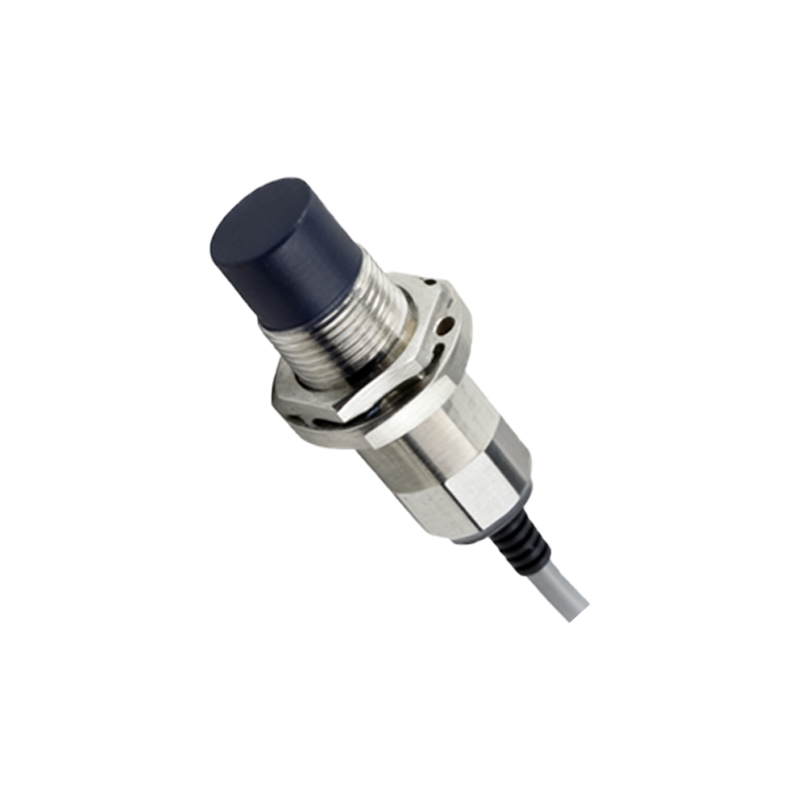
Photoelectric sensors use light, typically infrared or laser, to detect objects. They consist of an emitter and a receiver. In the through-beam type, the object breaks a light beam between separate emitter and receiver units. In the retro-reflective type, the object interrupts a beam reflected back from a reflector. In the diffuse or proximity mode, the sensor detects light reflected directly off the object itself. These sensors offer very long sensing ranges and are ideal for small object detection and transparent material sensing.
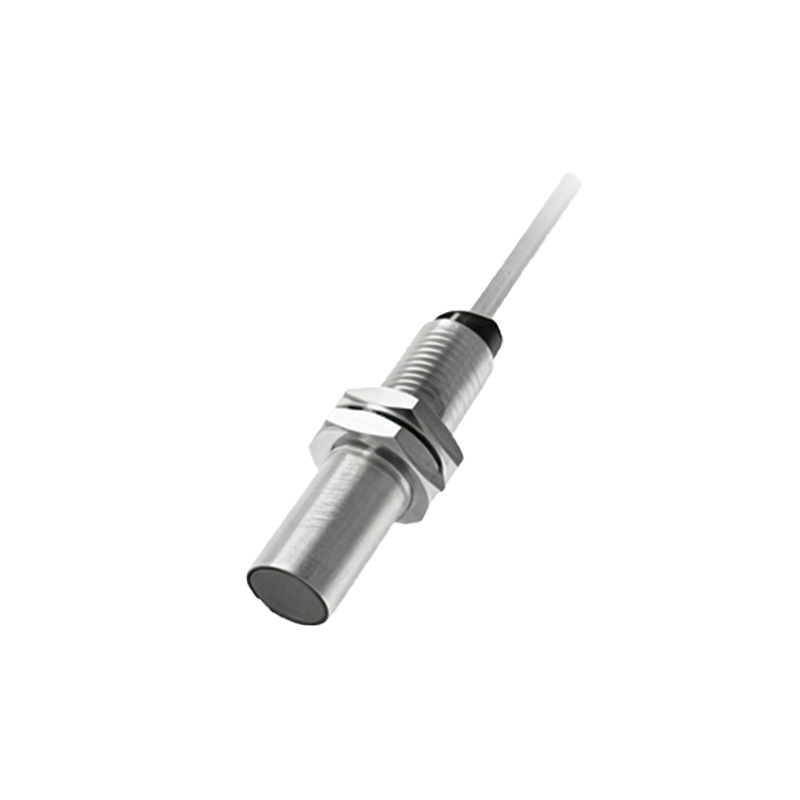
The output of a proximity sensor is typically a switched signal. Common output types include NPN (sinking), PNP (sourcing), and NO (Normally Open) or NC (Normally Closed) configurations, allowing seamless integration with Programmable Logic Controllers (PLCs), motor drives, and other control systems. Two-wire AC/DC sensors simplify wiring by combining power and signal in the same two wires.
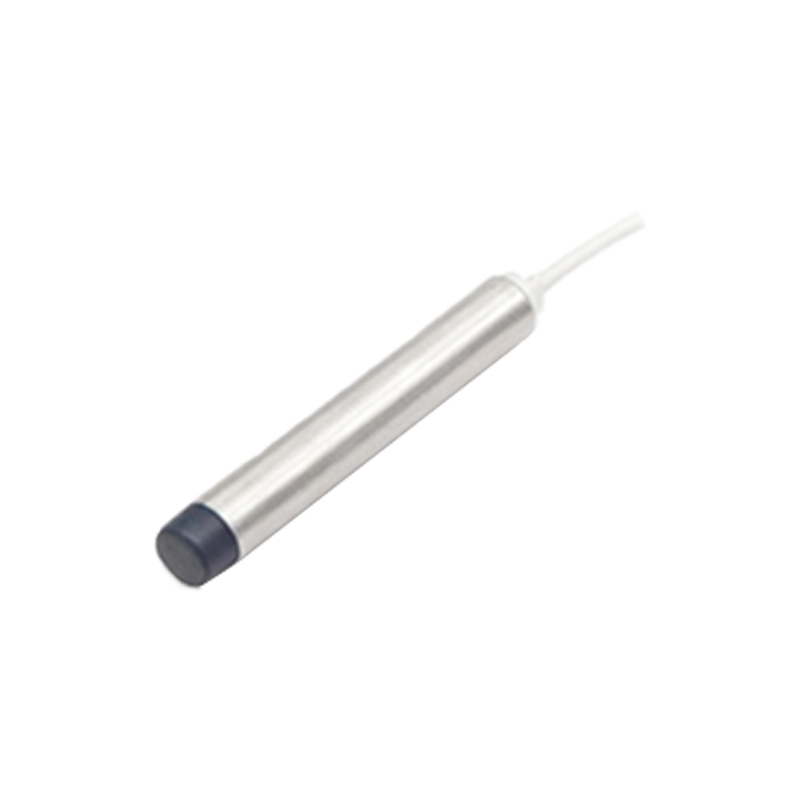
The applications are vast and cross-industry. In manufacturing, they are used for part counting, jam detection, machine tool positioning, and robotic end-effector sensing. In automotive assembly lines, they ensure precise positioning of components. In the consumer domain, they enable touchless faucets, smartphone screen blanking during calls, and automatic doors. Safety applications include monitoring guard door positions and ensuring safe distances in hazardous areas.
Selecting the right proximity switch involves careful consideration of several factors: the target material (metal, plastic, liquid), the required sensing distance, the operating environment (temperature, presence of chemicals or washdown needs), the output type needed for the control system, and the physical size and mounting requirements. Understanding the difference between nominal sensing distance and the practical, reduced sensing distance (often due to target size and material) is crucial for reliable system design.
In conclusion, proximity sensor switches are a silent yet powerful force behind automation and smart functionality. Their ability to provide reliable, wear-free, and fast object detection has made them a cornerstone of efficiency and safety across countless sectors. As technology advances, we see trends towards miniaturization, increased intelligence with IO-Link communication for parameter setting and diagnostics, and enhanced resistance to extreme industrial conditions, ensuring their role will only grow more critical in the interconnected systems of the future.