In the realm of industrial automation, robotics, and safety systems, the ability to detect the presence or absence of a metallic object without physical contact is paramount. Among the various technologies available, the Metal Proximity Hall Effect Sensor stands out for its reliability, durability, and precision. This article delves into the operational principles, key characteristics, and diverse applications of these essential electronic components.
At its core, a Metal Proximity Hall Effect Sensor operates on the fundamental physical principle discovered by Edwin Hall in 1879: the Hall effect. When a current-carrying conductor is placed in a magnetic field, a voltage difference, known as the Hall voltage, is generated perpendicular to both the current and the field. In a proximity sensor, this principle is ingeniously applied. The sensor itself contains a Hall effect integrated circuit (IC) and a permanent magnet. In its default state, with no target metal present, the Hall IC experiences a specific magnetic field from the internal magnet, resulting in a known output state.
The detection magic happens when a ferromagnetic (iron, steel, nickel, cobalt) or, in some specialized versions, non-ferrous metal target approaches the active face of the sensor. The approaching metal object disturbs the magnetic field emanating from the sensor's internal magnet. This disturbance alters the magnetic flux density at the location of the Hall IC. The Hall element detects this change in the magnetic field strength and converts it into a proportional electrical signal. This signal is then processed by onboard electronics to trigger a clean, digital output switch—typically changing from a HIGH to LOW state or vice-versa—indicating the presence of the metal object.
Several key features distinguish Hall effect proximity sensors from other types, like inductive sensors. First is their true, zero-speed operation. They can detect static (non-moving) metal objects, which is crucial for position verification. Second, they offer remarkably consistent switching points. The distance at which they detect a standard target, known as the nominal sensing distance (Sn), is very stable, unaffected by factors like accumulated dust or minor surface contaminants that might plague optical sensors. They are also largely immune to ambient light, oil, and water splashes, making them robust for harsh environments. Furthermore, they provide a non-contact sensing solution, meaning no wear and tear from physical interaction, leading to exceptionally long operational life.
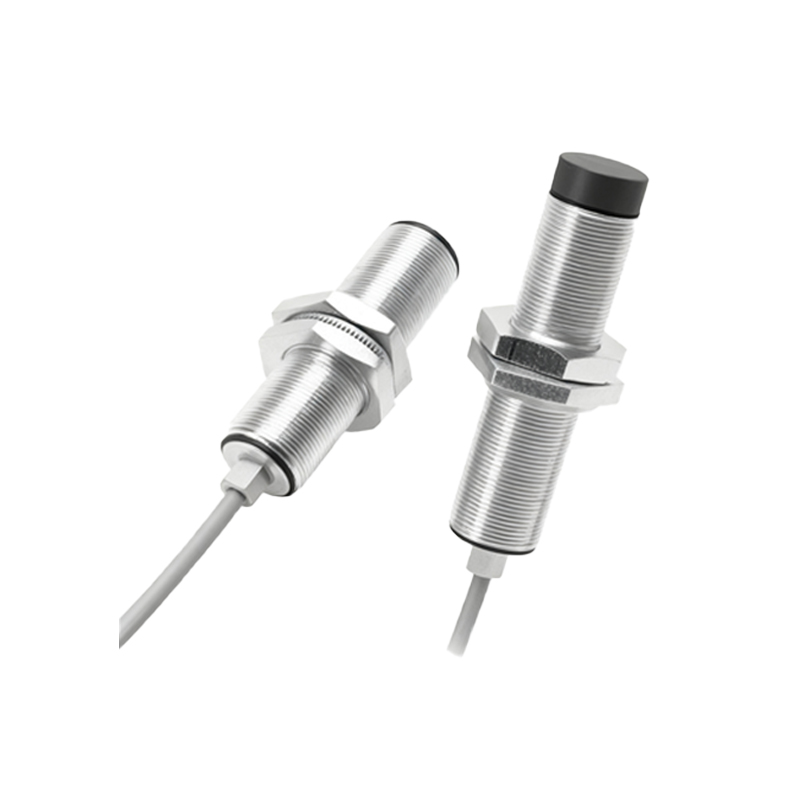
The output from these sensors is typically a solid-state switch. Common configurations include NPN (sinking) or PNP (sourcing) transistor outputs, analog voltage/current outputs proportional to distance, or even digital IO-Link interfaces for advanced diagnostics and parameter setting. This versatility in output allows them to interface seamlessly with Programmable Logic Controllers (PLCs), microcontrollers, and other industrial control systems.
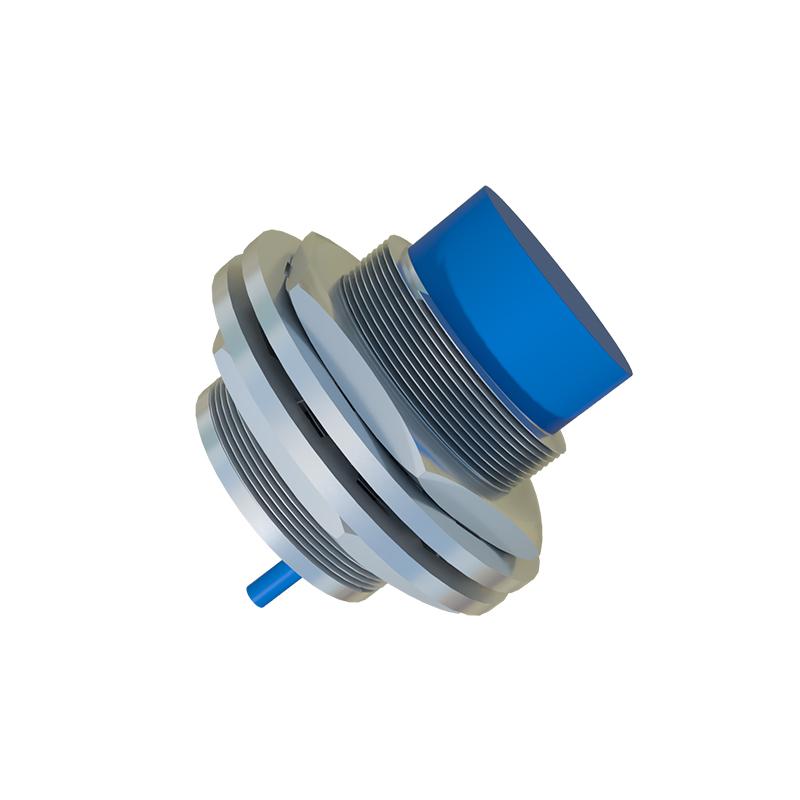
The applications for Metal Proximity Hall Effect Sensors are vast and critical. In automotive systems, they are used for gear position sensing, brake pedal position, and detecting seatbelt buckles. In factory automation, they are the workhorses for end-of-travel limit switches on linear actuators, rotary speed sensing by detecting gear teeth or encoder wheels, and part presence verification on assembly lines. They ensure safety in elevator doors by confirming closure and in machinery by verifying guard positions. In consumer electronics, they are the tiny components that enable the flip-to-sleep function in laptops by detecting a magnet in the lid.
When selecting a sensor for an application, engineers must consider several parameters: the required sensing distance, the type of target metal (ferromagnetic is most sensitive), the operating voltage range, the output configuration needed, environmental factors like temperature and potential exposure to chemicals, and the required housing style (cylindrical, rectangular, slot-style). Proper installation is also crucial; mounting in non-ferromagnetic materials like aluminum or plastic is standard to prevent interference, and maintaining the specified gap from surrounding metal structures is necessary to ensure accurate sensing performance.
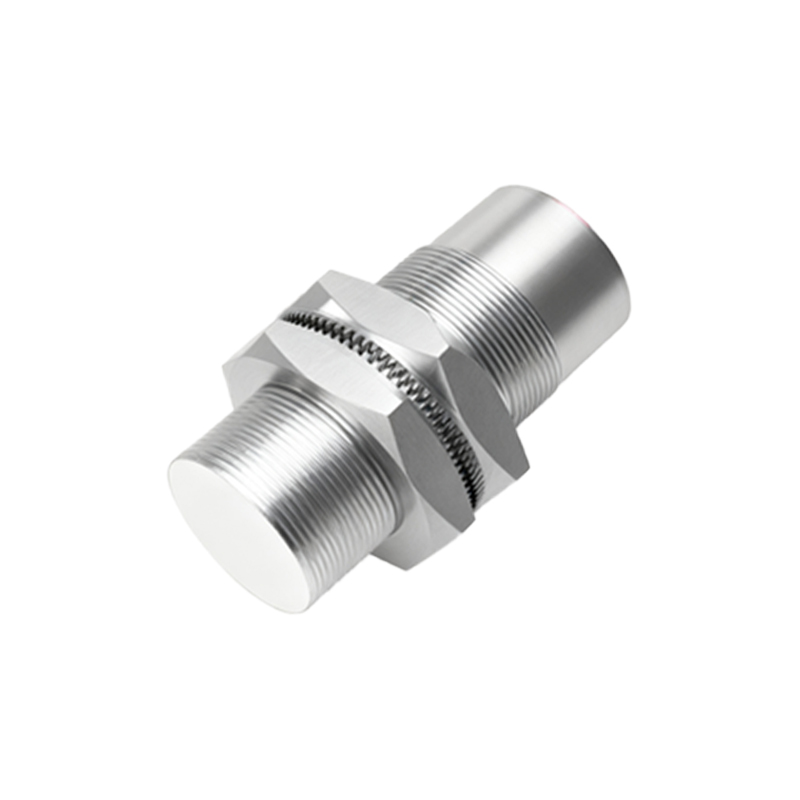
In conclusion, Metal Proximity Hall Effect Sensors are a cornerstone of modern non-contact detection. By harnessing a century-old physical phenomenon with modern semiconductor technology, they provide a robust, accurate, and maintenance-free solution for sensing metallic objects across countless industries. Their ability to function reliably in demanding conditions ensures they will remain a vital component in the ongoing advancement of automated and intelligent systems.