In the world of industrial automation, the ability to detect the presence, absence, or position of an object without physical contact is fundamental. This critical task is performed by proximity sensors and switches, devices that have become the silent, reliable sentinels of modern manufacturing, robotics, and countless other applications. Their core function is to sense when a target object enters their detection field, triggering an electrical signal that can be used to control machinery, count items, or ensure safety.
At their heart, proximity sensors operate on various physical principles, each suited to different materials and environmental conditions. The most common types include inductive, capacitive, ultrasonic, and photoelectric sensors. Inductive proximity sensors are the workhorses for detecting metallic objects. They generate an electromagnetic field. When a metal target enters this field, it causes eddy currents within the metal, which in turn alter the sensor's oscillation. This change is detected, and the sensor's output state switches. These sensors are exceptionally robust, immune to dust, oil, and moisture, making them ideal for harsh industrial environments like machining centers or assembly lines.
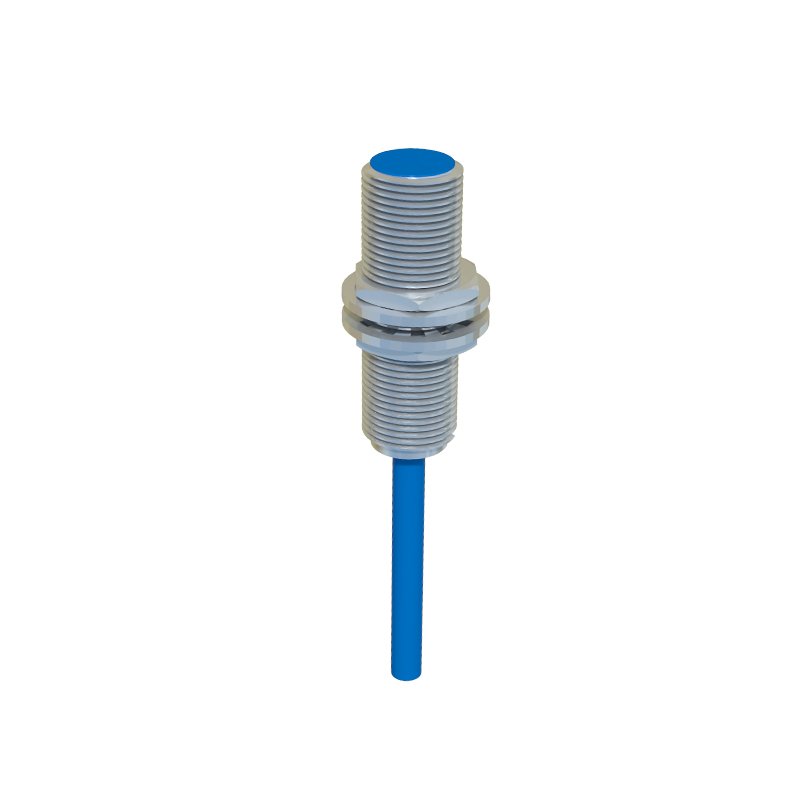
For non-metallic materials such as wood, plastic, glass, or liquids, capacitive proximity sensors are the preferred choice. They function similarly to inductive sensors but generate an electrostatic field. Any object with a dielectric constant different from air (which is nearly all materials) will disturb this field when it approaches, changing the sensor's capacitance and triggering detection. This makes them versatile for applications like level detection in tanks, detecting filled bottles on a conveyor, or sensing the presence of paper or plastic sheets.
Photoelectric sensors, another major category, use a beam of light (often infrared, visible red, or laser) to detect objects. They come in several configurations: through-beam (separate emitter and receiver), retro-reflective (bounces light off a reflector), and diffuse (reflects light off the target itself). Their key advantage is long sensing ranges and the ability to detect virtually any material. They are commonly used for object counting, edge detection in web processes, and in clean environments where contact is undesirable.
Ultrasonic sensors measure the time it takes for a sound wave to bounce back from a target. They are excellent for distance measurement and level sensing, even with transparent or irregularly shaped objects that might fool optical sensors. They perform well in environments with dust, steam, or varying light conditions where photoelectric sensors might struggle.
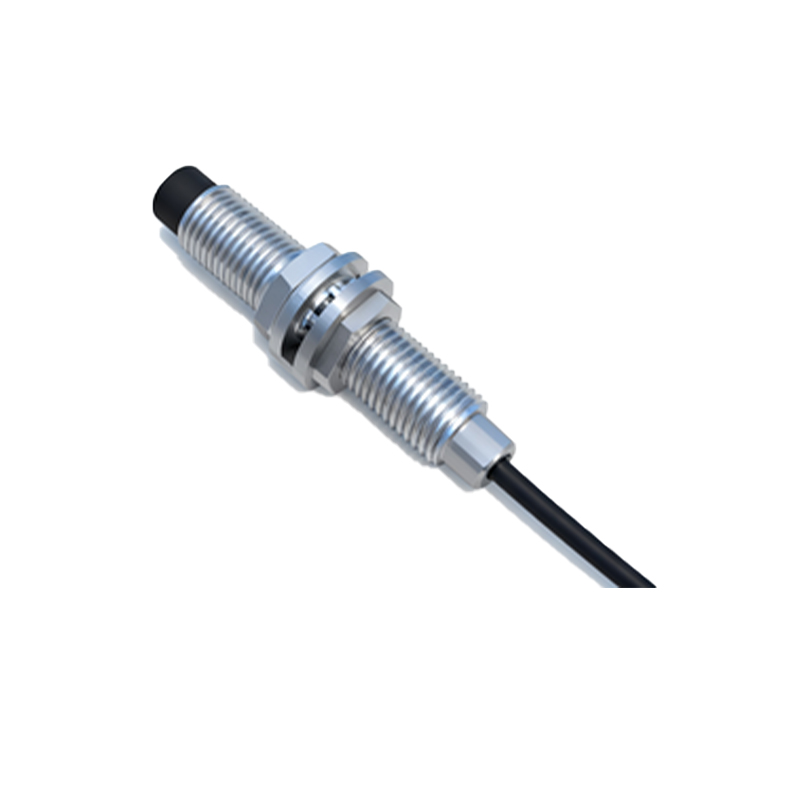
Beyond the sensor type itself, the distinction between a "proximity sensor" and a "proximity switch" is often semantic in modern usage, though it can refer to the output configuration. Traditionally, a "switch" implies a discrete on/off output, like a relay or a solid-state switch (PNP or NPN), which is true for most standard sensors. The term "sensor" can sometimes encompass devices with analog or IO-Link outputs that provide continuous data, such as precise distance measurement. However, in everyday industrial parlance, the terms are frequently used interchangeably to describe a non-contact detection device with a switching output.
Selecting the right proximity device requires careful consideration of several factors. The material of the target object is paramount—metal dictates inductive, while non-metal opens options for capacitive, photoelectric, or ultrasonic. The required sensing distance, or range, must be specified, noting that factors like target size, shape, and material can affect the actual performance. Environmental conditions are critical; one must account for temperature extremes, washdown requirements, exposure to chemicals, or heavy vibration. Finally, the electrical characteristics must match the control system: the output type (e.g., NPN sinking or PNP sourcing), voltage rating, and whether a normally open (NO) or normally closed (NC) configuration is needed.
The applications are virtually limitless. In automotive manufacturing, inductive sensors verify the position of engine blocks. On packaging lines, capacitive sensors ensure liquid is present in containers before capping. Photoelectric sensors count boxes as they move into a warehouse. Ultrasonic sensors manage the fill level of grain silos. In robotics, compact proximity switches provide precise end-of-arm tooling positioning and collision avoidance.
Maintenance of these devices is generally minimal due to their non-contact nature, which eliminates mechanical wear. However, ensuring a clean sensing face, checking for physical damage, and verifying electrical connections are part of routine checks. Performance issues often stem from environmental factors like accumulated debris, strong electromagnetic interference near inductive sensors, or heavy contamination on the lens of a photoelectric sensor.
As Industry 4.0 advances, proximity sensors are evolving. Smart sensors with IO-Link communication provide not just a switch signal but also diagnostic data like operating temperature, signal strength, and device health, enabling predictive maintenance. There is also a trend toward miniaturization, allowing these sensors to fit into increasingly compact machinery and devices.
In conclusion, proximity sensors and switches are indispensable