What is a Small Square Proximity Sensor?
A small square proximity sensor is a compact, non-contact electronic device designed to detect the presence or absence of a target object within its sensing range. Characterized by its square or rectangular housing, this sensor type is engineered for space-constrained applications where traditional cylindrical sensors cannot fit. Operating on electromagnetic principles, primarily inductive or capacitive, these sensors generate an electromagnetic field. When a metallic or dielectric target enters this field, it causes a change in the sensor's oscillation, which is then converted into a switching signal. The "small" designation typically refers to housings with face dimensions as compact as 4mm x 4mm, 5mm x 5mm, or 8mm x 8mm, making them indispensable in modern, miniaturized automation systems.
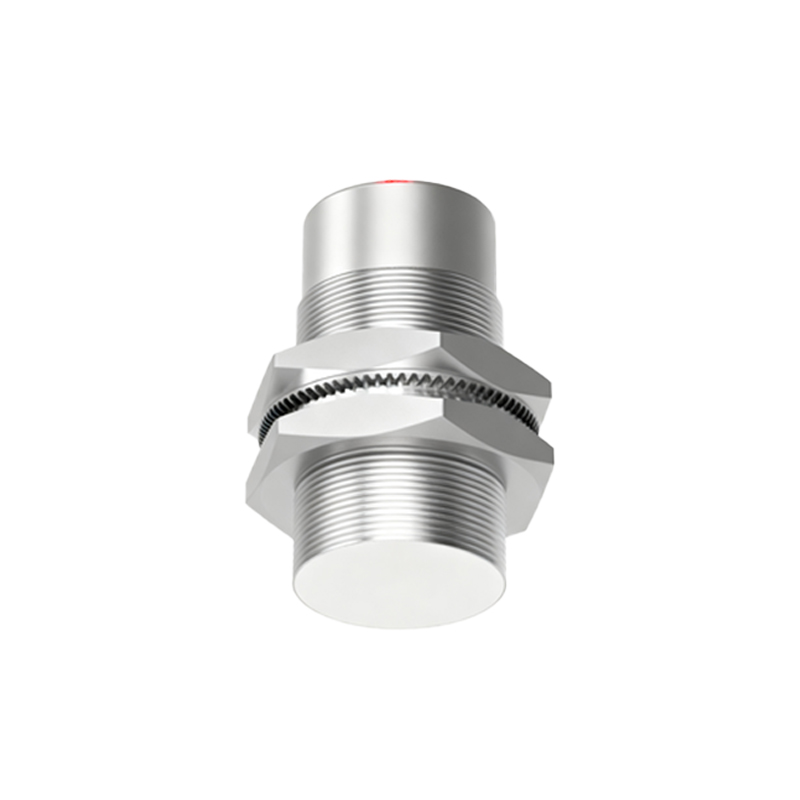
Core Operating Principles and Technologies
The functionality of small square proximity sensors hinges on two main technologies: inductive and capacitive sensing. Inductive sensors are the most common. They contain an oscillator coil, a signal evaluator, and an output switching circuit. The coil generates a high-frequency electromagnetic field at the sensing face. When a conductive metal object (e.g., steel, aluminum, copper) enters this field, eddy currents are induced in the target, damping the oscillator's amplitude. The sensor's electronics detect this damping and trigger a solid-state output. Capacitive sensors operate similarly but can detect both conductive and non-conductive materials like plastics, wood, liquids, or granules. They measure changes in capacitance between the sensor's electrode and the ground, which alters when any material with a different dielectric constant enters the sensing zone.
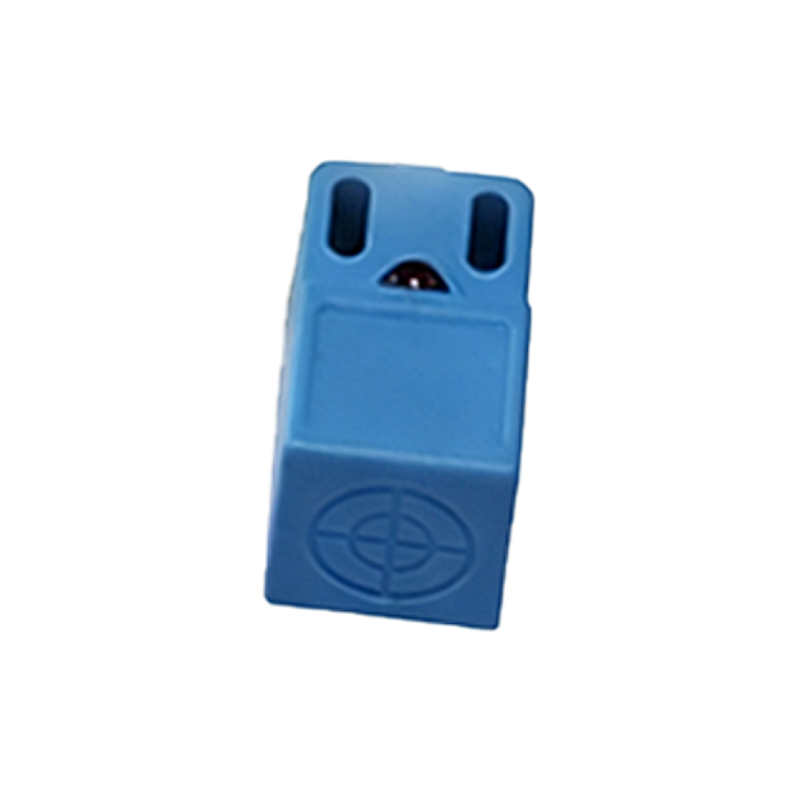
Key Features and Technical Specifications
Understanding the specifications is crucial for proper selection. Key parameters include sensing distance, which for small inductive models typically ranges from 0.8mm to 4mm. The housing material is often nickel-plated brass or stainless steel for durability. These sensors offer various output types: NPN (sinking) or PNP (sourcing) transistor outputs, and sometimes analog (4-20mA or 0-10V) or IO-Link for smart communication. They are designed for a wide operating voltage, commonly 10-30V DC, and feature protection against short-circuit, reverse polarity, and overload. Their compact square shape allows for side-by-side mounting without interference, a significant advantage over cylindrical designs. Many also boast high switching frequencies, exceeding 1 kHz, enabling detection of very fast-moving objects on production lines.
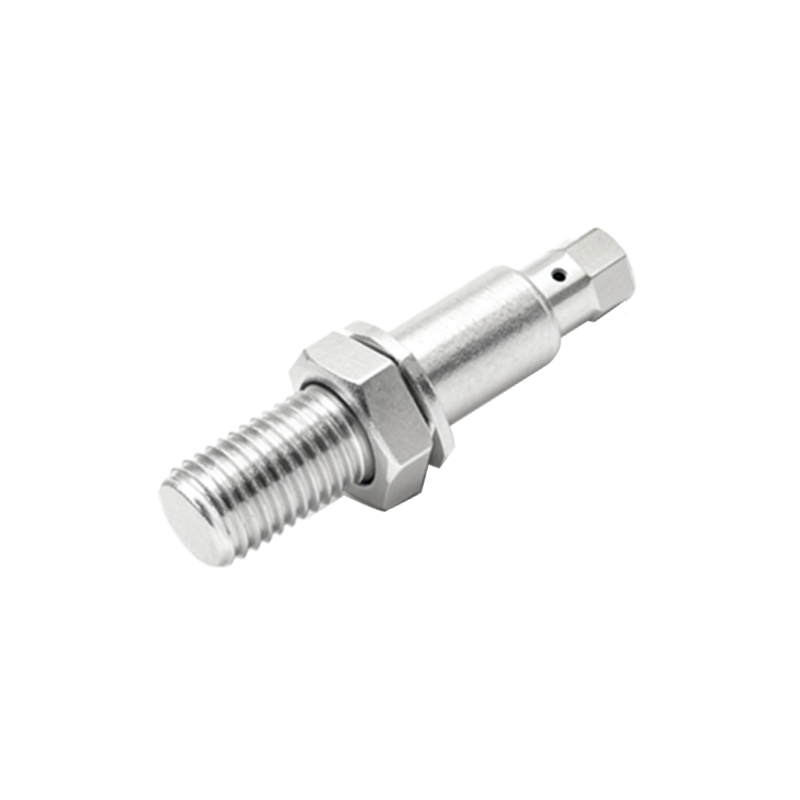
Advantages Over Other Sensor Form Factors
The small square form factor provides distinct benefits. Its flat sides enable seamless integration into tight machine profiles and linear guides, where cylindrical sensors would protrude or require bulky mounting brackets. The square shape maximizes the use of PCB real estate in embedded applications. It also offers superior resistance to torsional forces during installation compared to cylindrical sensors that can rotate in their mounts. The sensing face is precisely aligned with the housing edges, simplifying alignment with targets. Furthermore, the robust construction of the square housing often provides better resistance to physical impacts and vibrations commonly encountered in harsh industrial environments like robotics and material handling.
Primary Industrial Applications and Use Cases
These sensors are workhorses in precision automation. Common applications include position verification of miniature components in assembly robots, end-of-travel detection on compact linear actuators, and part presence checking in high-density electronic assembly machines. They are vital in packaging machinery for detecting foil lids, small caps, or verifying fill levels in tiny containers. In semiconductor manufacturing, they monitor wafer handling robots and tool position. The capacitive variants are used in liquid level detection in small reservoirs or to sense non-metallic materials like plastic gears or ceramic substrates. Their reliability and size make them ideal for modern collaborative robots (cobots) where space and safety are paramount.
Installation, Mounting, and Alignment Considerations
Correct installation is critical for optimal performance. Small square sensors are typically mounted via threaded holes in their housing or with special brackets. It is essential to respect the specified flush-mounting or non-flush-mounting capabilities. Inductive sensors can often be mounted flush with metal surfaces, while capacitive sensors generally require a non-flux mount. Adequate clearance must be maintained between adjacent sensors to prevent mutual interference. The target approach should be perpendicular to the sensing face for the declared sensing distance. For metallic backgrounds, maintaining the recommended background distance prevents false triggering. Using precision mounting fixtures ensures repeatable and reliable detection, especially with sub-millimeter sensing distances.
Selection Criteria and Integration Tips
Selecting the right sensor involves a systematic evaluation. First, identify the target material to choose between inductive (metals) or capacitive (nearly all materials