Defining Excellence in Sensing Technology
The industrial automation sector relies fundamentally on the precision and reliability of its components, with proximity sensors standing as critical elements for non-contact detection. Leading proximity sensor manufacturers distinguish themselves not merely through product catalogs, but through a deep commitment to innovation, quality assurance, and understanding complex application environments. These manufacturers engineer devices capable of detecting the presence or absence of metallic and non-metallic objects, ensuring seamless operations in machinery, robotics, and safety systems. The core of their expertise lies in mastering various technologies—inductive, capacitive, ultrasonic, and photoelectric—to provide tailored solutions for diverse industry challenges, from harsh factory floors to cleanroom environments.
Core Technological Capabilities and Product Portfolios
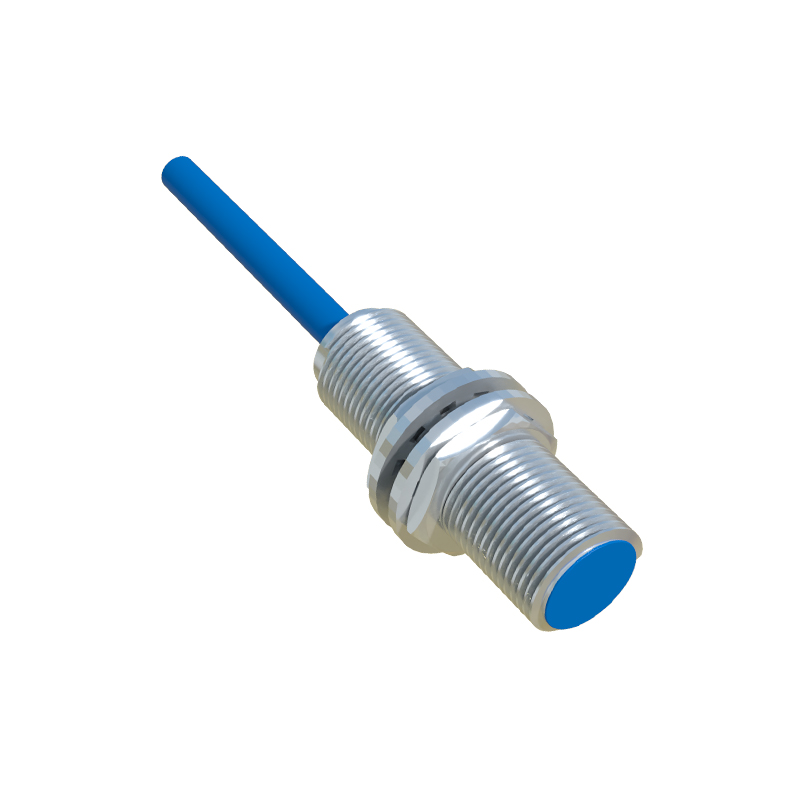
Top-tier manufacturers offer extensive portfolios built on robust R&D. Inductive sensors, their mainstay for metal detection, are continually refined for longer sensing ranges, higher switching frequencies, and exceptional resistance to electromagnetic interference. For non-metallic targets, advanced capacitive sensors are developed with sophisticated sensitivity adjustments to ignore confounding factors like moisture or container walls. Furthermore, industry leaders invest heavily in miniaturization and IO-Link communication integration, enabling smart sensors that provide diagnostic data and parameterization on-the-fly. This shift towards Industry 4.0 readiness is a hallmark of a forward-thinking manufacturer, embedding intelligence into even the smallest sensor to facilitate predictive maintenance and data-driven optimization.
Rigorous Manufacturing and Quality Standards
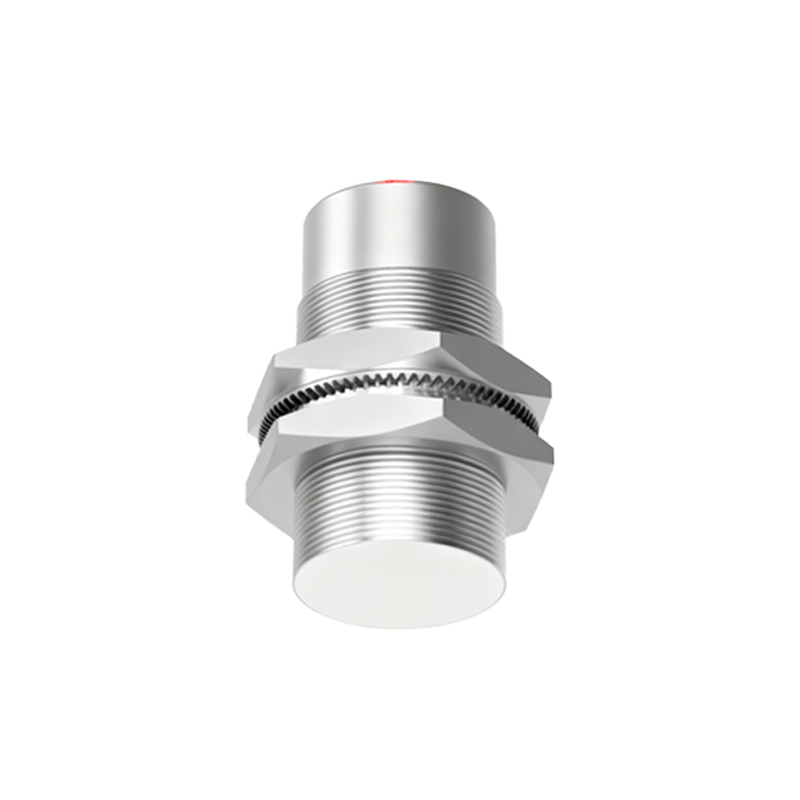
Superior performance in the field begins with uncompromising standards in production. Reputable proximity sensor manufacturers operate state-of-the-art facilities where automated assembly lines work in tandem with stringent testing protocols. Every sensor undergoes rigorous checks for performance accuracy, environmental sealing (often achieving IP67, IP68, or IP69K ratings), and durability against temperature extremes, vibration, and chemical exposure. Adherence to international certifications such as ISO 9001, UL, CE, and ATEX for hazardous areas is non-negotiable. This meticulous approach to quality control ensures that the sensors deliver consistent, fail-safe operation, minimizing downtime and safeguarding both processes and personnel.
Application-Specific Engineering and Support
Beyond standard offerings, the true value of a leading manufacturer is demonstrated through application engineering. Experts work directly with clients to solve unique challenges, such as detecting tiny or fast-moving objects, operating in extreme temperatures, or integrating with specific PLC systems. They provide comprehensive technical documentation, detailed datasheets, 3D models for easy integration into machine designs, and sophisticated configuration software. This deep support ecosystem extends from the initial selection process through installation and the entire product lifecycle, ensuring the sensor solution is not just a component but a cornerstone of operational reliability.
The Strategic Role in Global Automation Trends
As automation expands into new sectors like electric vehicle manufacturing, renewable energy, and advanced logistics, proximity sensor manufacturers are strategically positioned. They are pivotal in enabling collaborative robot (cobot) safety, precise assembly line automation, and smart packaging systems. Their ongoing research focuses on enhancing energy efficiency, reducing sensor size for more compact machinery designs, and improving wireless capabilities. By anticipating market shifts and partnering with OEMs and system integrators, these manufacturers don't just follow trends—they actively shape the future of automated sensing, driving efficiency, safety, and innovation across the global industrial landscape.