Introduction to Proximity Sensing Technology
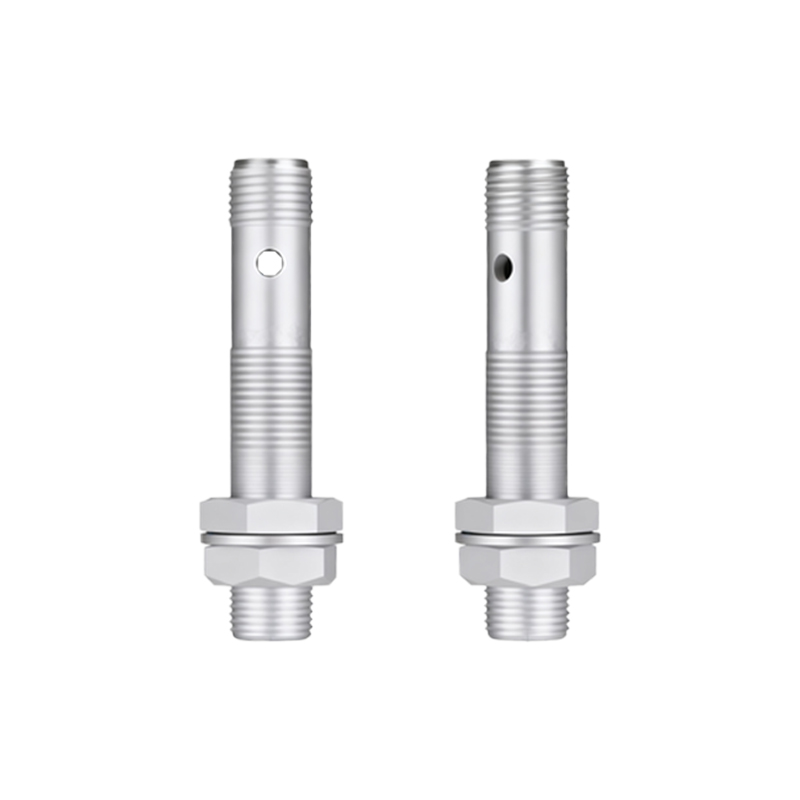
Proximity eddy current sensors represent a cornerstone of non-contact measurement in modern industrial automation. Operating on the principle of electromagnetic induction, these sensors generate a high-frequency oscillating magnetic field from a coil within the probe. When this field interacts with a conductive target material, it induces circular electrical currents, known as eddy currents, on the target's surface. These eddy currents, in turn, generate their own opposing magnetic field, which interacts with the field from the probe. The sensor's electronics precisely measure the change in the oscillation amplitude of the probe coil, which is directly correlated to the distance between the probe tip and the target. This fundamental principle allows for precise, reliable distance and position measurement without physical contact, making them indispensable in environments where wear, contamination, or high-speed operation are critical concerns.
Non-Contact Operation and Zero Wear
A primary and defining feature of proximity eddy current sensors is their complete non-contact operation. Since there is no physical touch between the sensor probe and the target object, issues related to mechanical wear, friction, and the need for lubrication are entirely eliminated. This characteristic translates directly into exceptional long-term reliability and minimal maintenance requirements. The sensor and the target experience no degradation over time from the measurement process itself, ensuring consistent performance and accuracy throughout the sensor's operational life. This is particularly advantageous in applications involving high-speed rotating machinery, such as turbine shafts or motor spindles, where even minimal contact would lead to rapid failure. The absence of contact also means there is no force exerted on the target, which is crucial for measuring delicate or finely balanced components.
High Resolution and Frequency Response
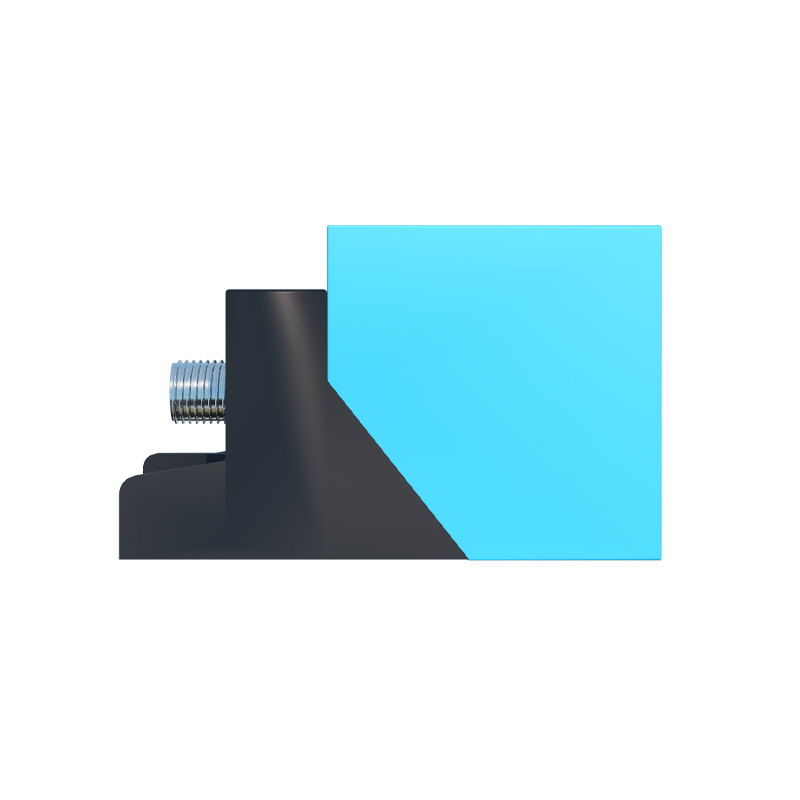
These sensors are renowned for their exceptional resolution and high-frequency response capabilities. Modern eddy current sensors can achieve sub-micron resolution, allowing them to detect minute displacements and vibrations that would be imperceptible to other sensor types. This high resolution is paired with an extremely fast response time, often in the range of tens of kilohertz. This combination enables the precise monitoring of dynamic events, such as the real-time vibration analysis of bearings, the detection of rotor unbalance, or the measurement of thermal expansion in machinery during operation. The ability to capture high-frequency data makes them ideal for predictive maintenance programs, where early detection of anomalous vibration patterns can prevent catastrophic equipment failure and unplanned downtime.
Robustness in Harsh Environments
Proximity eddy current sensors are inherently robust and well-suited for operation in demanding industrial conditions. The sensing element is typically housed in a stainless steel body, making it resistant to corrosion, pressure, and mechanical shock. Crucially, the operation of the sensor is unaffected by the presence of non-conductive materials between the probe and the target. This means that oil, coolant, grease, dust, and even thin non-metallic coatings do not interfere with the measurement signal. This immunity to environmental contaminants allows for reliable installation in areas like machine tool cutting zones, hydraulic systems, and dirty foundry environments where other optical or capacitive sensors might fail. Their performance remains stable across a wide temperature range, further enhancing their suitability for diverse applications.
Material Sensitivity and Target Requirements
A key operational characteristic is their sensitivity to the electrical conductivity and magnetic permeability of the target material. Eddy currents are most readily induced in materials with high electrical conductivity, such as aluminum, copper, and steel. Ferromagnetic materials (like carbon steel) affect both the eddy currents and the magnetic field, requiring sensors specifically calibrated for such materials to achieve linear output. Non-ferrous metals like aluminum and brass are considered ideal targets. The sensor must be calibrated for a specific target material, and changes in material type, grade, or temperature (which affects conductivity) can influence the measurement. Therefore, consistent target material properties are essential for maintaining calibration accuracy. The sensor's effective range is also influenced by the target size; generally, the target should be at least equal to the probe's diameter for optimal performance.
Common Industrial Applications
The unique features of proximity eddy current sensors make them the preferred choice for a multitude of critical industrial tasks. In rotating machinery health monitoring, they are the standard for measuring radial shaft vibration, axial thrust position, and rotor speed through keyphasor applications. On production lines, they are used for precision gap and thickness measurement, part counting, and detecting the presence or absence of metal components. In metal forming and machining, they monitor tool wear, workpiece positioning, and bending angles. Their robustness is leveraged in hydraulic systems for monitoring piston position inside cylinders. Furthermore