Introduction to Proximity Switch Sensors in Rail Applications
Proximity switch sensors are critical components in the rail industry, designed to detect the presence or absence of objects without physical contact. In rail vehicles, these sensors play a vital role in ensuring operational safety, efficiency, and reliability. They are commonly used for tasks such as door control, wheel detection, brake monitoring, and position sensing. Unlike mechanical switches, proximity sensors offer non-contact operation, which reduces wear and tear, minimizes maintenance needs, and enhances longevity in harsh rail environments. The adoption of these sensors has become increasingly important as rail systems evolve toward automation and digitalization, demanding higher precision and robustness.
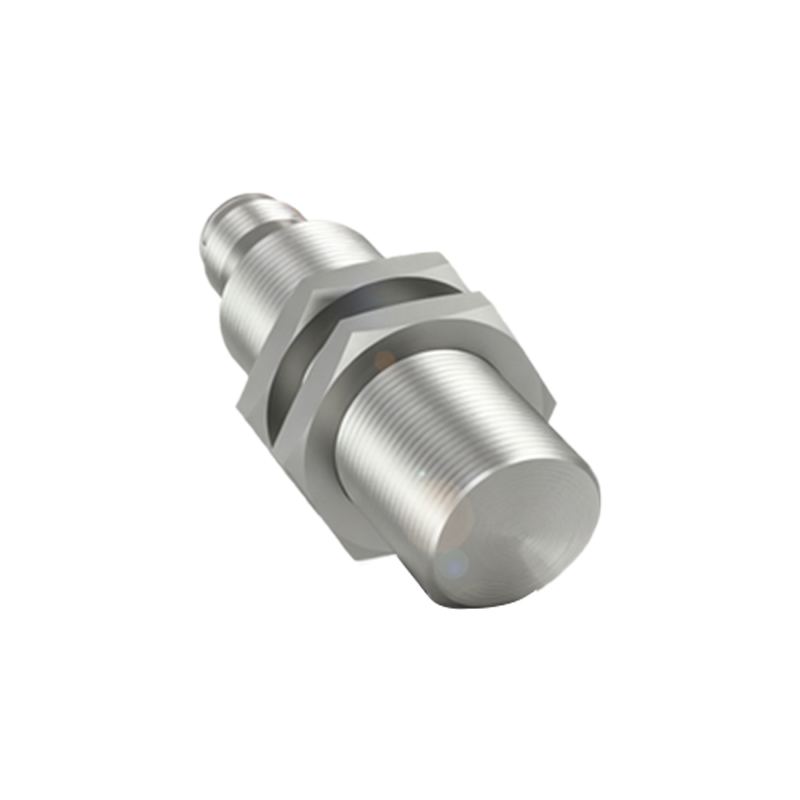
Types of Proximity Sensors Used in Rail Vehicles
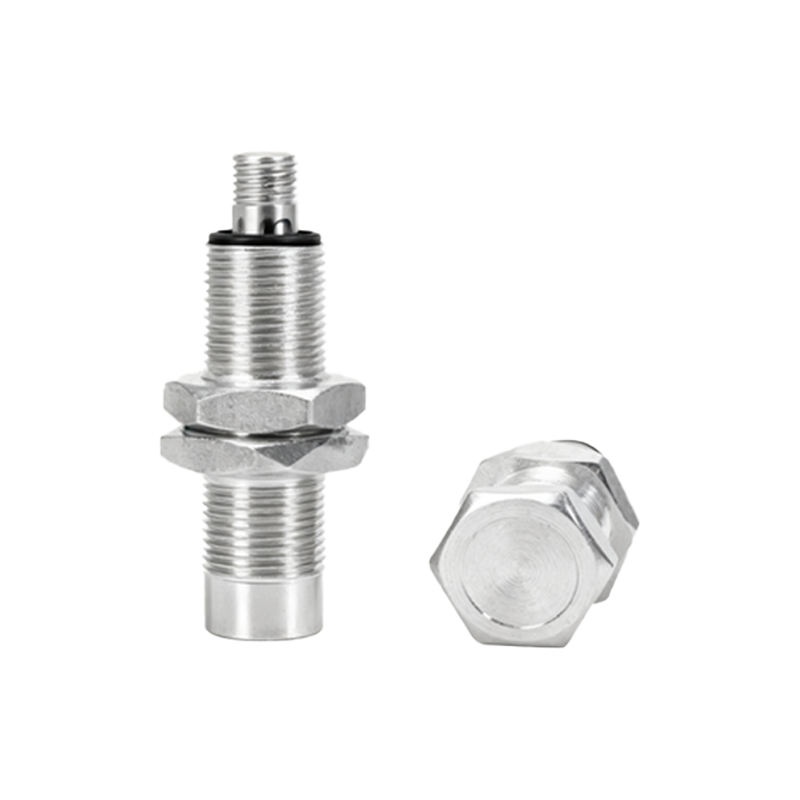
Several types of proximity sensors are employed in rail vehicles, each suited to specific applications based on their sensing principles. Inductive proximity sensors are widely used for detecting metallic objects, such as wheels or axles, making them ideal for speed and position monitoring. Capacitive sensors can detect both metallic and non-metallic materials, useful for applications like liquid level sensing in cooling systems. Ultrasonic sensors are utilized for distance measurement and obstacle detection, particularly in automated train control systems. Photoelectric sensors, which use light beams, are common for door safety mechanisms and passenger counting. The choice of sensor type depends on factors like environmental conditions, target material, and required sensing range, with rail-grade sensors often featuring rugged enclosures to withstand vibrations, temperature extremes, and electromagnetic interference.
Key Functions and Applications in Rail Systems
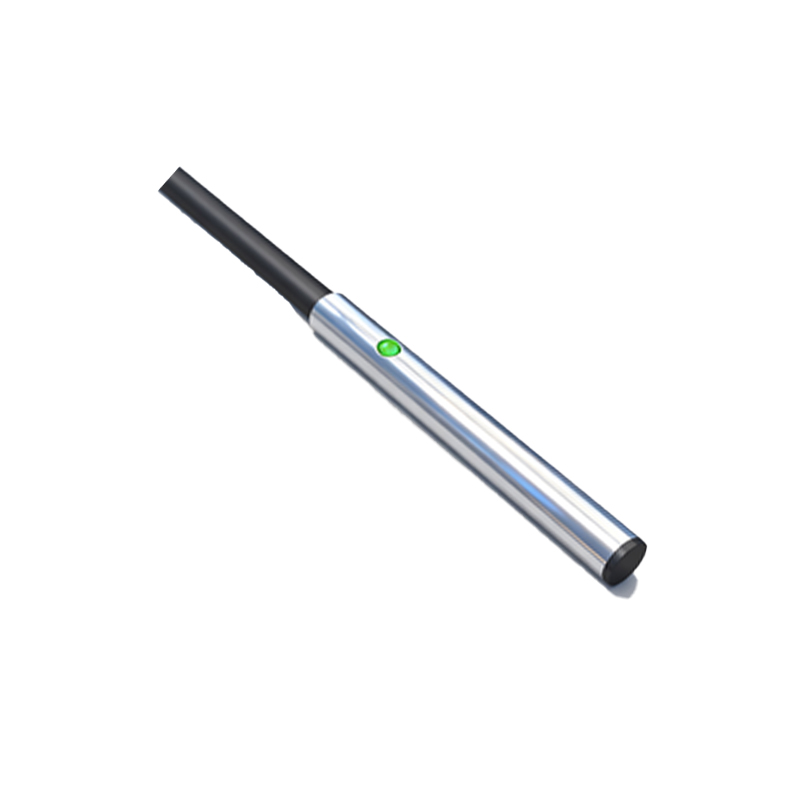
Proximity switch sensors serve multiple essential functions in rail vehicles. In door systems, they ensure doors open and close safely by detecting obstacles, preventing accidents and delays. For wheel and axle monitoring, sensors provide real-time data on rotation speed and alignment, aiding in traction control and derailment prevention. In braking systems, they monitor brake pad wear and actuation, contributing to maintenance scheduling and safety compliance. Additionally, these sensors are integral to signaling and train control, where they detect train positions along tracks, enabling precise movement and collision avoidance. Their role extends to auxiliary systems, such as HVAC and power management, where they monitor components for optimal performance. By integrating with onboard electronics, proximity sensors support data-driven decision-making, enhancing overall rail network efficiency.
Technical Specifications and Performance Criteria
Rail-grade proximity sensors must meet stringent technical specifications to perform reliably under demanding conditions. Key parameters include sensing distance, which typically ranges from a few millimeters to several meters, depending on the application. Response time is critical for high-speed rail operations, with sensors often requiring millisecond-level reactions to ensure timely system responses. Environmental ratings, such as IP67 or higher for ingress protection, ensure resistance to dust, moisture, and chemicals. Temperature tolerance is another vital factor, with sensors designed to operate in extremes from -40°C to 85°C or beyond. Electrical characteristics, like supply voltage (commonly 10-30V DC) and output types (e.g., PNP/NPN or analog signals), must align with rail vehicle control systems. Compliance with industry standards, such as EN 50155 for railway electronics, ensures safety and interoperability across rail networks.
Installation and Maintenance Best Practices
Proper installation and maintenance are crucial for maximizing the lifespan and accuracy of proximity sensors in rail vehicles. During installation, sensors should be mounted securely to minimize vibration-induced errors, with careful alignment to the target area. Wiring must follow shielding guidelines to prevent electromagnetic interference from high-power rail equipment. Regular maintenance involves cleaning sensor faces to avoid false triggers from dirt or debris, and checking for physical damage or corrosion. Diagnostic tools, such as oscilloscopes or multimeters, can be used to verify signal integrity and calibration. Predictive maintenance strategies, leveraging sensor data analytics, help identify potential failures before they cause downtime. Training for technical personnel on sensor-specific protocols ensures safe handling and replacement, reducing operational risks and costs.
Challenges and Future Trends in Sensor Technology
Despite their advantages, proximity sensors in rail applications face challenges like electromagnetic interference from traction motors, mechanical stress from constant vibrations, and harsh weather conditions. To address these, manufacturers are developing sensors with enhanced durability and noise immunity. Future trends include the integration of smart sensors with IoT capabilities, allowing for real-time monitoring and remote diagnostics via wireless networks. Advances in materials science may lead to more compact and energy-efficient designs, while AI-driven analytics could enable predictive maintenance and adaptive control systems. As rail systems embrace automation and green technologies, proximity sensors will evolve to support higher speeds, increased safety standards, and sustainable operations, solidifying their role in next-generation rail transport.