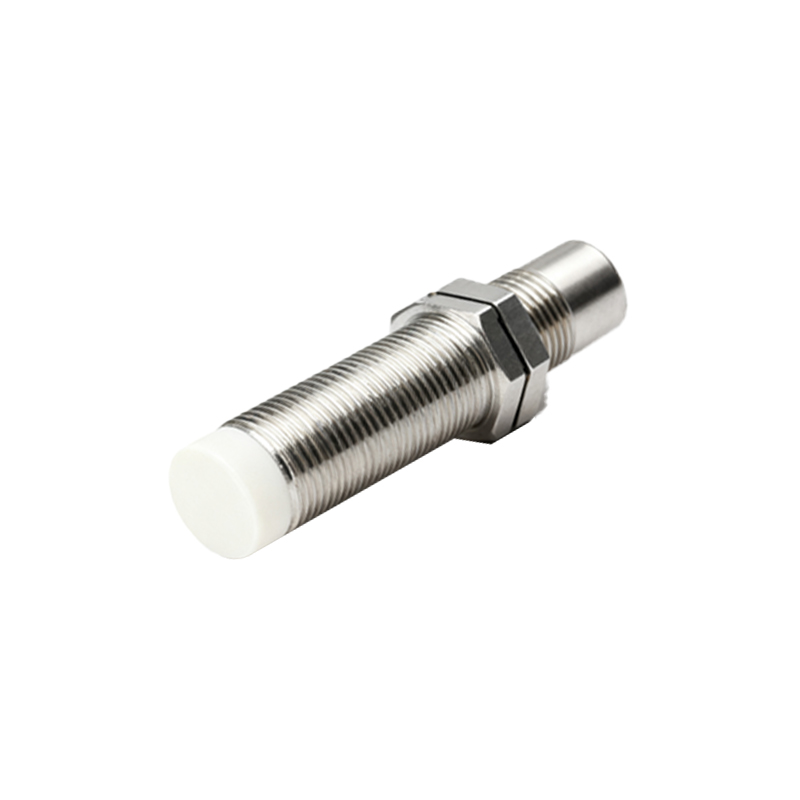
In the rapidly evolving landscape of industrial automation and smart technology, precision, reliability, and non-contact sensing are paramount. Hall Effect Proximity Sensors have emerged as a cornerstone technology, enabling countless applications from factory floors to consumer electronics. Unlike mechanical switches or optical sensors, these devices offer a robust, wear-free solution for detecting the presence, absence, or position of a magnetic field or a ferromagnetic object. Their operation is elegantly simple yet profoundly effective, based on the Hall Effect—a phenomenon where a voltage difference is generated across an electrical conductor when a magnetic field is applied perpendicular to the current flow. This generated voltage, the Hall voltage, is directly proportional to the strength of the magnetic field, allowing for precise detection without any physical contact.
The advantages of integrating Hall Effect sensors into a system are substantial. First and foremost is their exceptional durability. With no moving parts to wear out and a sealed design that is inherently resistant to contaminants like dust, oil, and moisture, these sensors boast an exceptionally long operational life, even in the harshest industrial environments. This translates directly to reduced maintenance costs and increased system uptime. Secondly, they offer high-speed operation, capable of detecting objects at frequencies far beyond the capability of mechanical limit switches. This makes them ideal for high-speed counting, RPM measurement, and position feedback in servo motors. Furthermore, their solid-state nature allows for miniaturization, enabling their use in compact spaces within automotive systems, medical devices, and portable gadgets.
When selecting a Hall Effect Proximity Sensor for your application, several key specifications demand attention. The sensing distance, or range, is critical and is influenced by the strength of the target magnet and the sensor's sensitivity. Output type is another major decision point: digital output sensors provide a simple ON/OFF signal (often open-collector or push-pull), perfect for presence detection. Analog output sensors deliver a voltage or current signal proportional to the magnetic field strength, enabling precise distance or position measurement. The operating voltage range must match your control system's power supply, commonly 3.3V, 5V, or 12-24V DC. Finally, consider the housing material and protection rating (IP code). Stainless steel or nickel-plated brass housings with high IP ratings (e.g., IP67) are essential for washdown or outdoor applications.
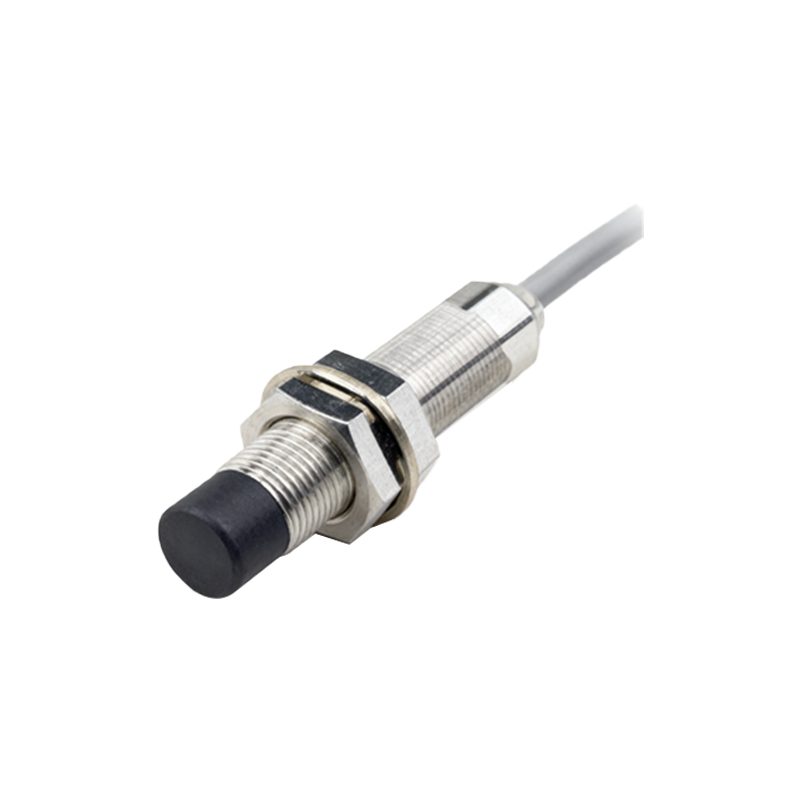
The practical applications of Hall Effect Proximity Sensors are vast and varied. In industrial automation, they are ubiquitous for end-of-travel detection on linear actuators, rotary encoder feedback, and detecting the position of cylinders in pneumatic systems. The automotive industry relies on them for gearbox speed sensing, brake pedal position, and detecting wheel speed for anti-lock braking systems (ABS). In consumer electronics, they are the silent enablers of features like laptop lid-open detection, smartphone flip covers, and the joysticks in game controllers. Emerging smart home and IoT applications use them for door/window security sensors and fluid level detection in appliances.
To ensure optimal performance and longevity, proper installation and wiring are crucial. Always refer to the manufacturer's datasheet. Typically, a three-wire configuration is standard: power (Vcc), ground (GND), and output signal. Ensure the sensor is mounted securely, with the correct orientation relative to the target magnet's pole. The sensing face should be parallel to the magnet's approach path for maximum range and repeatability. Electrical noise can be a concern in environments with motors or variable frequency drives; using shielded cables and keeping signal wires away from power lines can mitigate interference. For analog sensors, proper signal conditioning and filtering in the controller may be necessary.
Looking ahead, the future of Hall Effect sensor technology is bright, driven by trends towards Industry 4.0 and greater connectivity. Integrated circuits are becoming more sophisticated, incorporating signal processing, temperature compensation, and diagnostic functions on a single chip. The development of 3D Hall sensors, capable of detecting magnetic field vectors in multiple axes, is opening new frontiers in advanced angular position sensing for robotics and automotive steering. Furthermore, the push for lower power consumption aligns perfectly with the needs of battery-operated IoT devices, ensuring Hall Effect sensors remain a vital, evolving component in the toolkit of engineers and designers worldwide. Their unique blend of simplicity, robustness, and versatility secures their position as an indispensable solution for modern sensing challenges.