In the world of automation and smart technology, proximity sensors are the unseen facilitators, enabling devices to perceive their surroundings without physical contact. These electronic workhorses detect the presence or absence of an object within a defined range, triggering an action or sending a signal. Their operation hinges on emitting a field or beam and monitoring for changes. When an object enters this field, it alters the signal's properties—be it an electromagnetic field, light beam, or sound wave—which the sensor detects and converts into an electrical output.
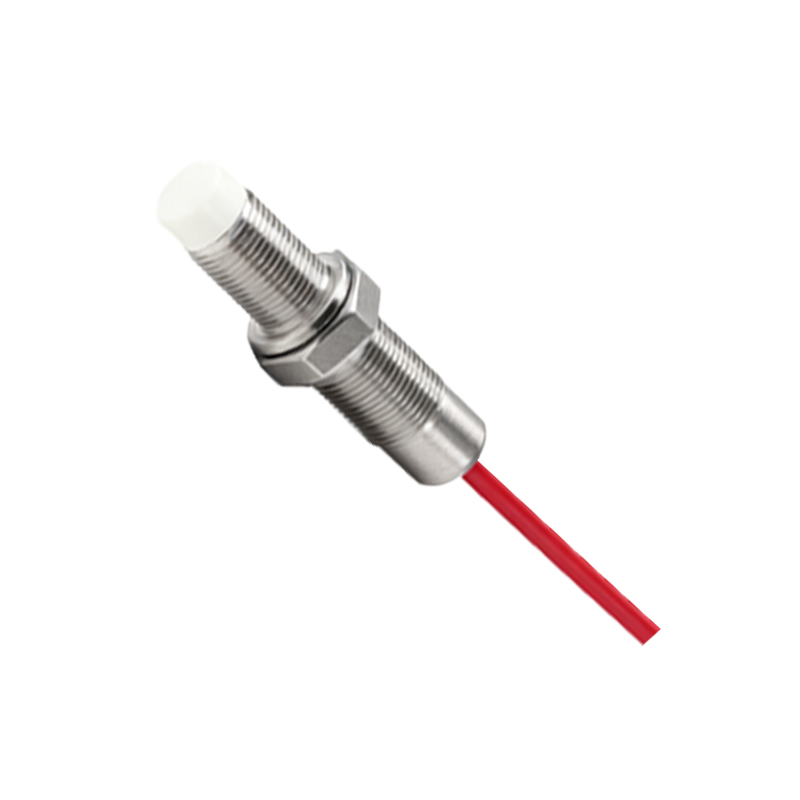
The principle is elegantly simple, but the technologies behind it are diverse. Inductive proximity sensors are stalwarts in industrial settings. They generate an oscillating electromagnetic field and detect the eddy currents induced in a metallic target. This makes them exceptionally reliable for detecting metals, immune to environmental factors like dust, oil, or moisture. They are the go-to choice for counting metal parts on a conveyor belt, determining the position of a machine tool, or providing end-of-travel detection in actuators.
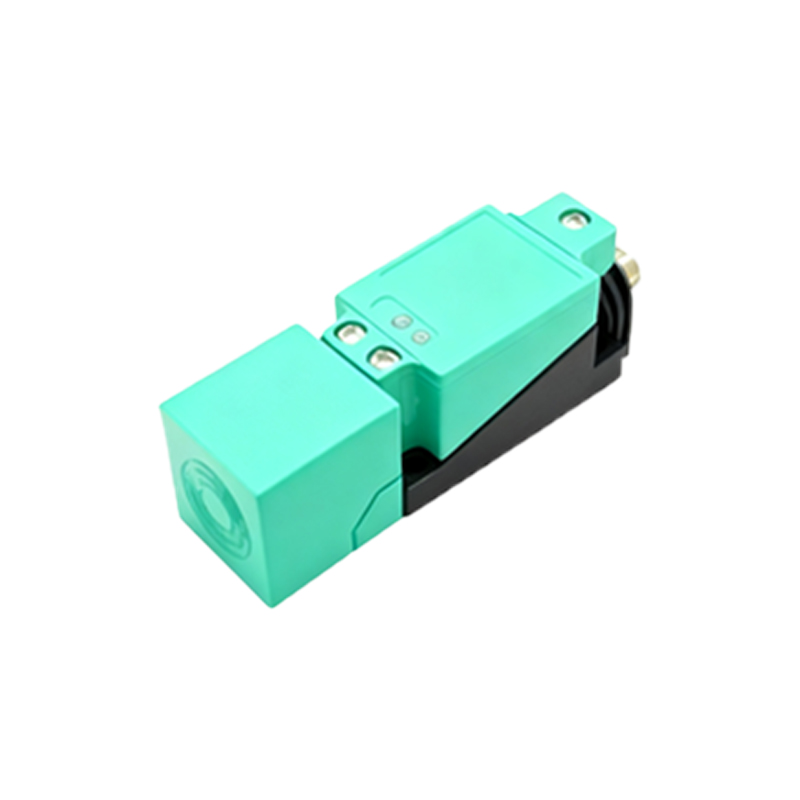
For applications requiring detection of non-metallic objects, capacitive proximity sensors step in. They function by generating an electrostatic field. Any object, be it plastic, wood, liquid, or even a human hand, that enters this field alters its capacitance. This change is precisely measured, allowing the sensor to detect virtually any material. This versatility makes them ideal for level detection in tanks (plastic or glass), monitoring fill levels of granular materials, or as touch-sensitive switches.
Another major category is photoelectric sensors, which use light—typically infrared, visible red, or laser. They operate in three primary modes: through-beam, retro-reflective, and diffuse. A through-beam sensor has separate emitter and receiver units; an object is detected when it breaks the light beam. This offers the longest sensing range and highest reliability. Retro-reflective models use a single unit that emits light towards a reflector; detection occurs when the reflected beam is interrupted. Diffuse, or proximity-mode, sensors detect light reflected directly from the target object itself, making them compact and easy to install. Photoelectric sensors are ubiquitous in packaging, material handling, and safety systems like automatic doors.
Ultrasonic sensors complete the core family, using sound waves beyond human hearing. They measure the time it takes for a sound pulse to travel to an object and back (time-of-flight). This technology excels at precise distance measurement and detecting objects regardless of color, transparency, or material, including clear glass or liquids. Common uses include parking assist systems, liquid level sensing in harsh environments, and collision avoidance in automated guided vehicles (AGVs).
The applications of proximity sensors are vast and integral to modern life. In consumer electronics, they deactivate a smartphone's touchscreen during a call to prevent accidental inputs. In automotive systems, they enable blind-spot monitoring, automatic parking, and activation of trunk lids with a foot gesture. Industrial automation relies on them for precise positioning, robotic guidance, and ensuring operator safety by creating invisible guard zones around dangerous machinery. They are fundamental to the Internet of Things (IoT), providing the essential data about object presence that drives smart systems.
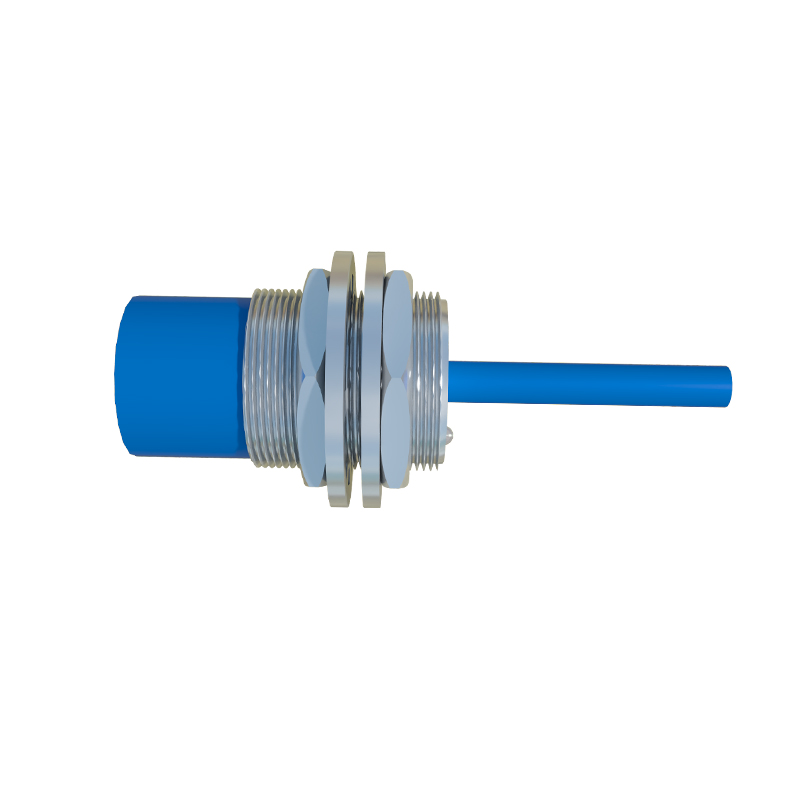
Selecting the right sensor involves careful consideration of the target material, required sensing distance, environmental conditions (temperature, contaminants), output type needed (digital or analog), and response speed. For instance, a fast-moving production line demands a sensor with a high switching frequency, while a wastewater treatment plant requires one with a robust, waterproof housing.
In summary, proximity sensors are foundational components that bridge the physical and digital worlds. By providing reliable, non-contact detection, they enhance efficiency, enable automation, and improve safety across countless industries. Their continued evolution, with trends toward miniaturization, increased intelligence, and wireless connectivity, promises to further embed their silent, sensing capabilities into the fabric of advanced technology.