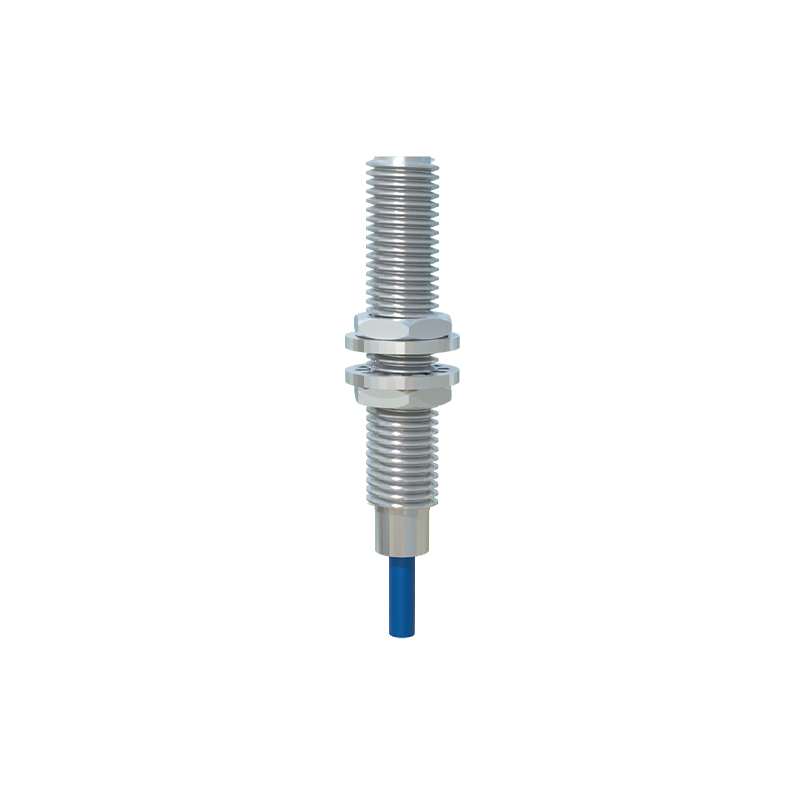
In industrial automation, manufacturing, and outdoor applications, proximity sensors play a critical role in detecting the presence or absence of objects without physical contact. However, when these sensors are deployed in challenging environments—such as chemical processing plants, marine settings, food and beverage production, or wastewater treatment facilities—their performance and longevity are severely threatened by corrosion. Corrosion, the gradual degradation of materials through electrochemical reactions with their environment, can lead to sensor failure, inaccurate readings, and costly downtime. This makes the selection and implementation of corrosion-resistant proximity sensors not merely an option, but a fundamental requirement for operational reliability and safety.
Corrosion in proximity sensors typically attacks the sensor's housing, the sensing face, and any exposed electrical connections. Common corrosive agents include saltwater, chlorine, acids, alkalis, and various industrial chemicals. Even high humidity and temperature fluctuations can accelerate corrosive processes. Standard metallic housings made from materials like brass or untreated aluminum are particularly vulnerable. When a sensor corrodes, it can result in the swelling or pitting of the housing, compromising its sealing integrity. This breach allows corrosive elements to infiltrate the internal electronics, damaging sensitive components and ultimately causing permanent failure. Furthermore, corrosion buildup on the sensing face can attenuate or distort the emitted electromagnetic or ultrasonic field, leading to false triggers or a complete loss of detection capability.
To combat these issues, manufacturers engineer proximity sensors with specific features and materials designed for corrosion resistance. The primary defense is the strategic selection of housing materials. Stainless steel, particularly grades like 316L (AISI 316L), is a prevalent choice due to its excellent resistance to a wide range of chemicals and saltwater. Its protective chromium oxide layer forms a passive barrier that prevents further oxidation. For even more aggressive environments, sensors may feature housings made from specialized plastics such as PVDF (Polyvinylidene Fluoride) or PPS (Polyphenylene Sulfide). These polymer materials are inherently inert to most chemicals and provide exceptional durability.
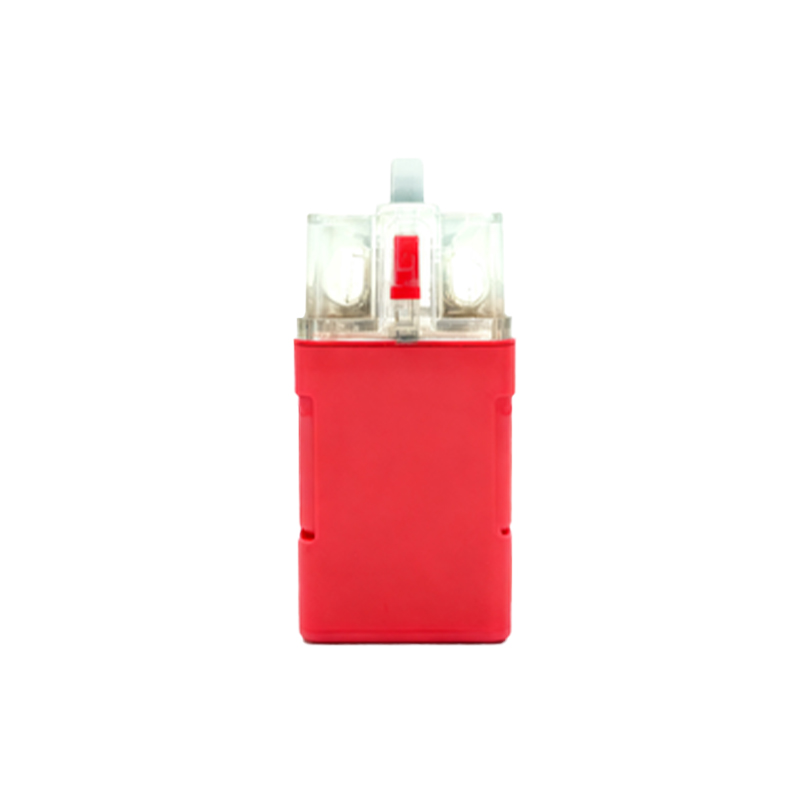
Beyond the housing material, the quality of sealing is paramount. A high Ingress Protection (IP) rating, such as IP67, IP68, or IP69K, indicates robust sealing against dust and water ingress. For corrosive environments, the seals themselves must be made from compatible materials like FKM (Fluorocarbon) or EPDM (Ethylene Propylene Diene Monomer) O-rings, which maintain their elasticity and sealing properties when exposed to oils, chemicals, and extreme temperatures. The sensing face is another critical area. It is often manufactured from a material like PTFE (Polytetrafluoroethylene) or a specially formulated ceramic. These materials are non-stick, chemically inert, and prevent the adhesion of corrosive deposits, ensuring a clear path for the sensor's field.
The design of the sensor also contributes to its resilience. A smooth, crevice-free housing design minimizes areas where corrosive agents and moisture can pool or accumulate. For certain applications, a protective coating or encapsulation of the entire sensor assembly provides an additional layer of defense. It is crucial for engineers and maintenance personnel to match the sensor's specifications precisely with the environmental conditions. This involves consulting chemical resistance charts provided by manufacturers to ensure the selected housing and seal materials are compatible with the specific chemicals, concentrations, and temperatures present in the application.
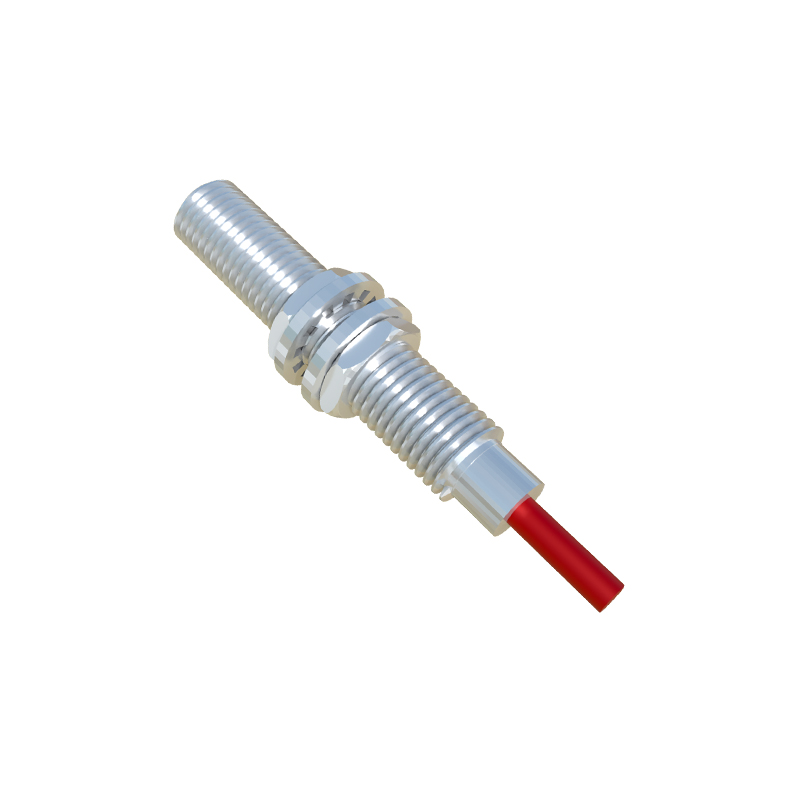
The benefits of investing in properly specified corrosion-resistant proximity sensors are substantial. The most significant advantage is dramatically increased service life and mean time between failures (MTBF). This translates directly into reduced maintenance costs, fewer unplanned production stoppages, and lower total cost of ownership. Reliability is enhanced, ensuring consistent and accurate detection that supports automated process control and safety interlocks. In industries like food processing or pharmaceuticals, where hygiene is critical, corrosion-resistant sensors with smooth, cleanable surfaces also help meet stringent sanitary standards.
In conclusion, the demand for durability in harsh industrial landscapes makes corrosion resistance a non-negotiable feature for proximity sensors. By understanding the corrosion mechanisms and specifying sensors with appropriate materials—such as stainless steel housings, chemically inert sensing faces, and high-quality seals—operators can safeguard their automation investments. This proactive approach ensures continuous, reliable operation, protects valuable machinery, and maintains productivity in even the most demanding and corrosive environments, from offshore platforms to chemical rinse baths.