In the automated world of modern industry, the ability to detect the presence or absence of an object without physical contact is fundamental. This is the core function of a proximity switch sensor, a ubiquitous and critical component in manufacturing, packaging, robotics, and countless other sectors. Unlike mechanical limit switches that require direct touch, proximity sensors offer a non-contact solution, leading to higher reliability, faster response times, and reduced wear and tear.
At its heart, a proximity sensor detects a target object within a specified sensing range and converts this detection into an electrical signal. This signal typically operates a switch, which can control a circuit, send data to a programmable logic controller (PLC), or trigger an action in a machine. The "switch" aspect is key; it provides a clear, binary output—often termed a discrete signal—indicating that an object is either "present" or "not present." This simplicity makes integration into control systems straightforward.
The working principle depends entirely on the sensor's technology. The most common types include:
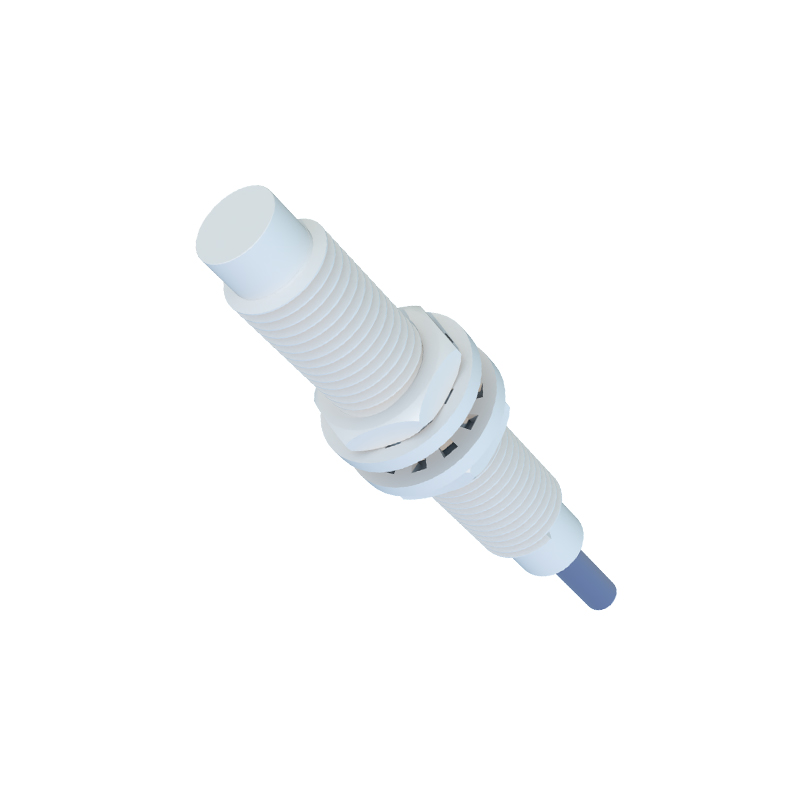
Inductive Proximity Sensors: These are the workhorses of metal detection. They generate an electromagnetic field from a coil in the sensor face. When a metallic target enters this field, it induces eddy currents within the metal, causing a change in the field's oscillation. The sensor's internal circuit detects this change and triggers the output switch. Inductive sensors are robust, precise, and ideal for detecting ferrous metals like steel and iron, as well as non-ferrous metals like aluminum and copper, though with a potentially reduced sensing range for the latter.
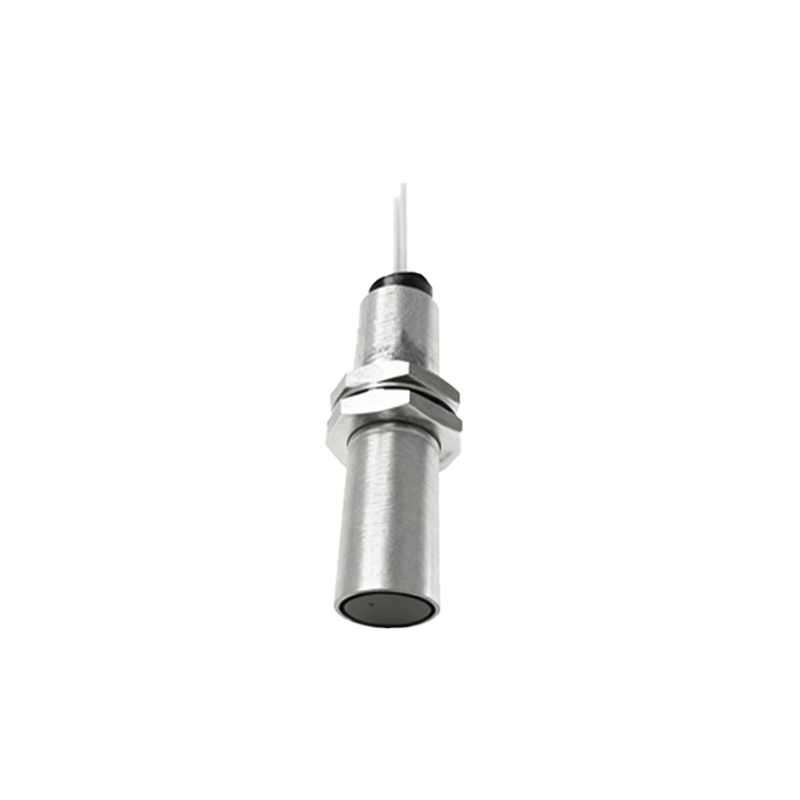
Capacitive Proximity Sensors: These sensors can detect both metallic and non-metallic materials, including liquids, plastics, wood, and glass. They function by generating an electrostatic field. Any object that enters this field alters its capacitance—its ability to store an electrical charge. The sensor monitors this capacitance change. When the change reaches a preset threshold, the switch activates. This makes capacitive sensors versatile for applications like liquid level sensing, detecting filled containers, or seeing through non-metallic walls.
Photoelectric Sensors: While often categorized separately, many function as proximity switches. They use a light emitter (usually LED) and a receiver. In the diffuse or proximity mode, the sensor emits light, and the target object reflects it back to the receiver. Detection occurs when the received light intensity surpasses a set level. They are excellent for long-range detection and can sense virtually any material, but their performance can be affected by color, reflectivity, and environmental contaminants like dust or fog.
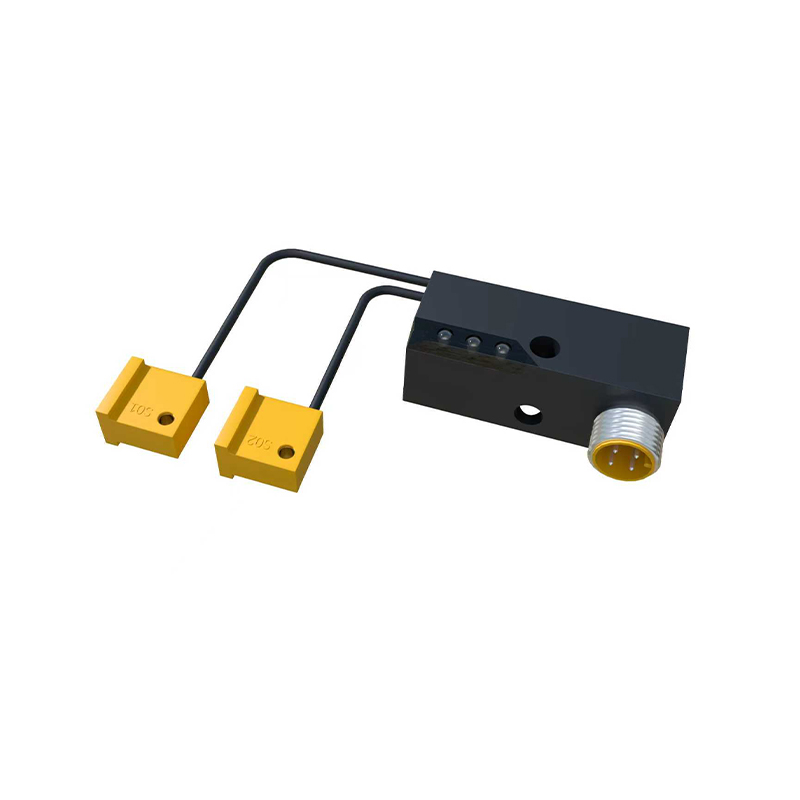
Ultrasonic Proximity Sensors: These devices emit high-frequency sound waves and evaluate the echo reflected from a target. By measuring the time between emission and reception of the echo, they can determine the presence and often the distance of an object. They are effective for detecting objects with complex shapes, transparent materials (like glass), and in challenging environments with dust or steam, where photoelectric sensors might struggle.
Selecting the right proximity switch involves several key considerations. The sensing range is the maximum distance at which the sensor can reliably detect a standard target. The target material dictates whether an inductive, capacitive, or other type is necessary. Output configuration is crucial; sensors come with NPN (sinking) or PNP (sourcing) transistor outputs to match different PLC and controller input cards. Environmental factors such as temperature, humidity, and potential exposure to chemicals or washdowns require selecting sensors with appropriate ingress protection (IP) ratings. Finally, the housing shape (barrel, rectangular, etc.) and mounting style must suit the physical installation constraints.
The applications are vast. On an assembly line, an inductive sensor verifies a metal component is in place before a robot welds it. In packaging, a capacitive sensor confirms a bottle is full before capping. Photoelectric sensors count boxes on a conveyor, while ultrasonic sensors manage pallet stacking height in a warehouse. In automotive manufacturing, thousands of proximity switches ensure precision and safety throughout the production process.
In conclusion, proximity switch sensors are the silent sentinels of automation. Their non-contact operation provides a clean, reliable, and fast method for object detection, forming the essential sensory layer upon which efficient, safe, and intelligent industrial systems are built. Understanding their principles, types, and selection criteria is key to leveraging their full potential in any automated application.