In the rapidly evolving landscape of industrial automation and smart technology, wireless proximity sensors have emerged as a cornerstone innovation. These devices, which detect the presence or absence of an object without physical contact, have untethered themselves from the constraints of wired systems, offering unprecedented flexibility, scalability, and cost-efficiency. Unlike their traditional wired counterparts, wireless proximity sensors transmit detection data via radio frequency (RF) signals, Bluetooth, Wi-Fi, or other proprietary wireless protocols, seamlessly integrating into the Internet of Things (IoT) ecosystem.
The core technology behind these sensors remains robust. Inductive sensors detect metallic objects, capacitive sensors handle non-metallic materials, and photoelectric sensors use light beams. The revolutionary shift lies in their communication module. By eliminating complex wiring harnesses, installation time and associated labor costs plummet. This is particularly transformative in large-scale facilities like automotive assembly lines, food processing plants, or sprawling warehouses, where running cables is prohibitively expensive and logistically challenging. Retrofitting existing machinery with wireless sensors is now a straightforward task, breathing new life into legacy equipment.
The benefits extend far beyond simple installation. Enhanced mobility is a key advantage. Sensors can be placed on moving parts, such as robotic arms or automated guided vehicles (AGVs), to provide real-time positional feedback without dealing with tangled or degrading cables. This enables more dynamic and reconfigurable production lines. Furthermore, wireless systems significantly improve safety by removing trip hazards and reducing risks in harsh environments where cables are vulnerable to damage from chemicals, extreme temperatures, or constant vibration.
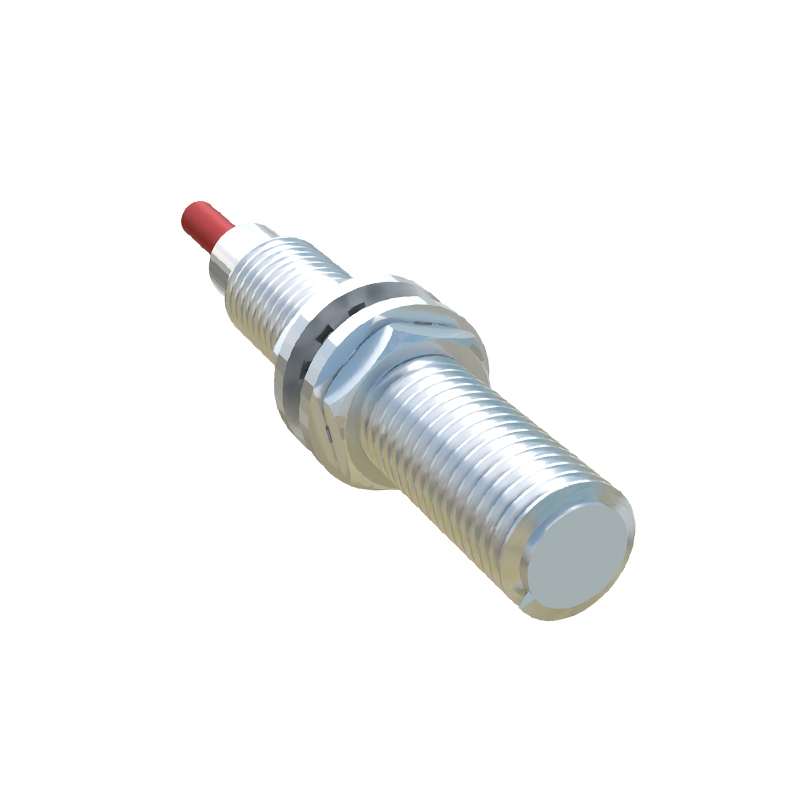
Data accessibility reaches new heights. Wireless proximity sensors form the critical edge-nodes of IIoT (Industrial Internet of Things) networks. They feed real-time data on machine operation, production counts, and material flow directly to cloud-based platforms or centralized control systems. This facilitates predictive maintenance, as anomalies in detection patterns can signal impending equipment failure before it causes downtime. Managers gain a holistic, real-time view of operations from anywhere, enabling data-driven decision-making to optimize efficiency and throughput.
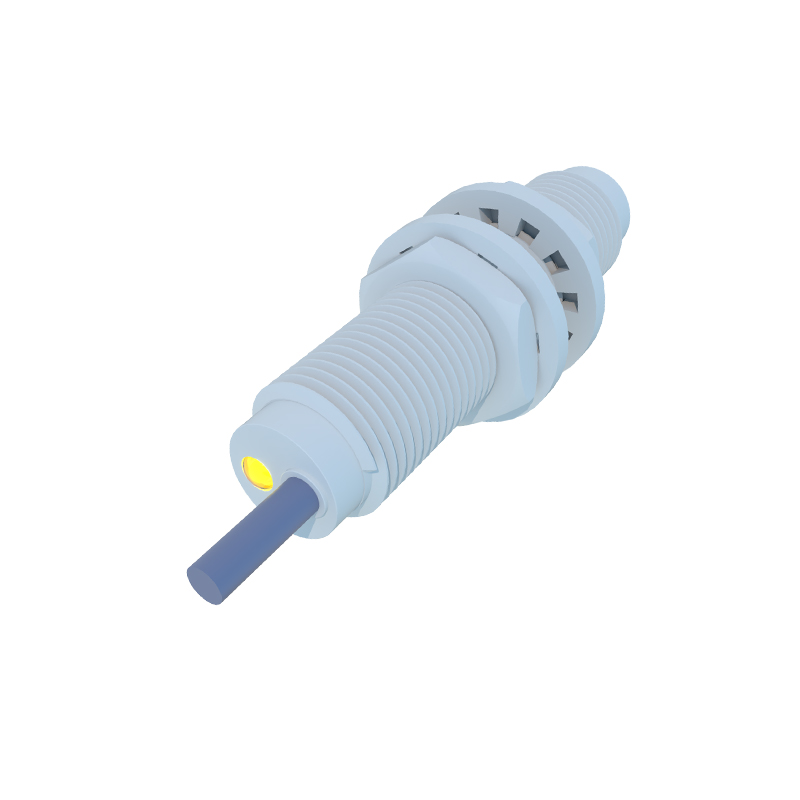
However, adopting wireless technology requires careful consideration of several factors. Power management is paramount. Most wireless sensors are battery-powered, necessitating designs with ultra-low power consumption and long battery life, often lasting several years. Network reliability and security are non-negotiable. Industrial environments are rife with potential interference from heavy machinery. Selecting sensors with robust, interference-resistant protocols and strong encryption is essential to ensure data integrity and protect against cyber threats. The choice of wireless standard—whether it's a mesh network like Zigbee for wide coverage, Bluetooth Low Energy (BLE) for short-range efficiency, or industrial-grade Wi-Fi for high data throughput—must align with the specific application's range, data rate, and network topology needs.
Applications are vast and growing. In smart manufacturing, they monitor tool presence, count products, and control robotic sequences. In logistics, they track inventory on shelves and manage automated storage and retrieval systems (AS/RS). In agriculture, wireless sensors monitor equipment and storage silos. Even building automation utilizes them for occupancy sensing in lighting and HVAC control, contributing to energy conservation.
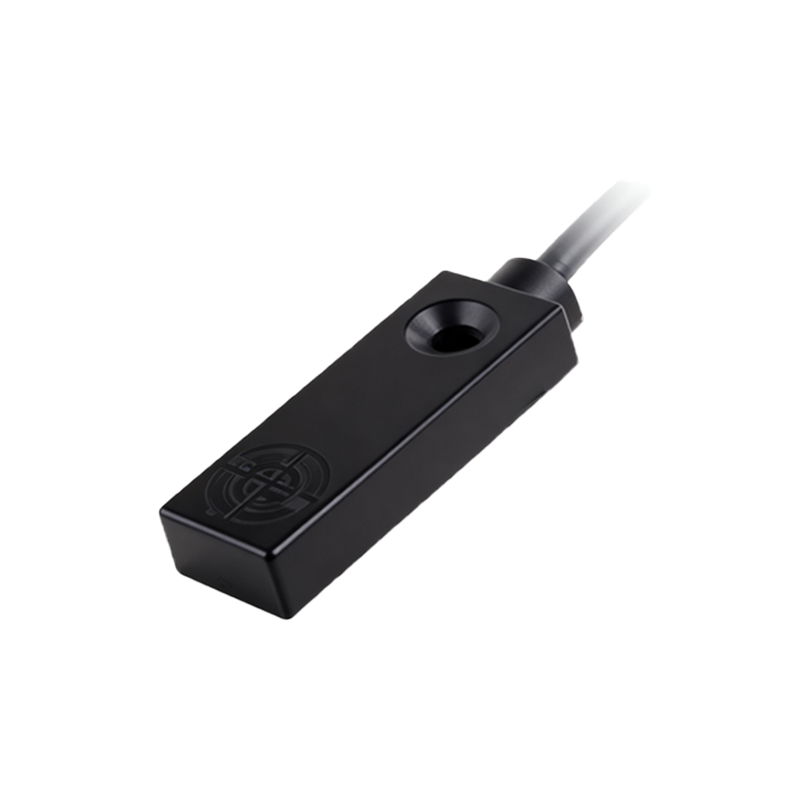
Looking ahead, the convergence of wireless proximity sensing with advancements in energy harvesting (using vibration, light, or thermal differences to power sensors) and the rollout of 5G networks promises even greater possibilities. 5G's ultra-reliable low-latency communication (URLLC) will enable mission-critical applications where split-second response times are vital.
In conclusion, wireless proximity sensors are not merely a convenience; they are a strategic enabler of Industry 4.0. By providing reliable, contactless detection free from wiring shackles, they unlock new levels of operational agility, intelligence, and cost savings. As technology continues to advance, their role in creating smarter, more connected, and efficient industrial and commercial environments will only become more profound and indispensable.