Proximity sensors are essential components in modern automation and industrial systems, detecting the presence or absence of objects without physical contact. Their reliability directly impacts operational efficiency and safety. However, identifying whether a proximity sensor is functioning correctly can be challenging without proper knowledge. This guide provides practical methods to assess the quality and performance of proximity sensors, ensuring optimal system functionality.
First, understand the basic working principles. Inductive proximity sensors detect metallic objects using electromagnetic fields, while capacitive sensors respond to both metallic and non-metallic materials by measuring changes in capacitance. Photoelectric sensors use light beams to detect objects. Knowing the sensor type is crucial for accurate testing.
Visual inspection is the initial step. Check for physical damage such as cracks, dents, or corrosion on the housing and sensing face. Ensure the wiring connections are secure and free from fraying or loose terminals. Environmental factors like dust, moisture, or chemical exposure can degrade sensor performance over time. Clean the sensing surface gently with a soft cloth to remove contaminants that might interfere with detection.
Electrical testing involves measuring key parameters. Use a multimeter to verify the supply voltage matches the sensor’s specifications, typically ranging from 10-30V DC for most industrial sensors. Incorrect voltage can lead to erratic behavior or failure. Next, monitor the output signal. For a normally open (NO) sensor, the output should switch to the rated voltage when an object enters the sensing range. Conversely, a normally closed (NC) sensor should drop to zero voltage upon detection. Fluctuations or delays in the output indicate potential issues.
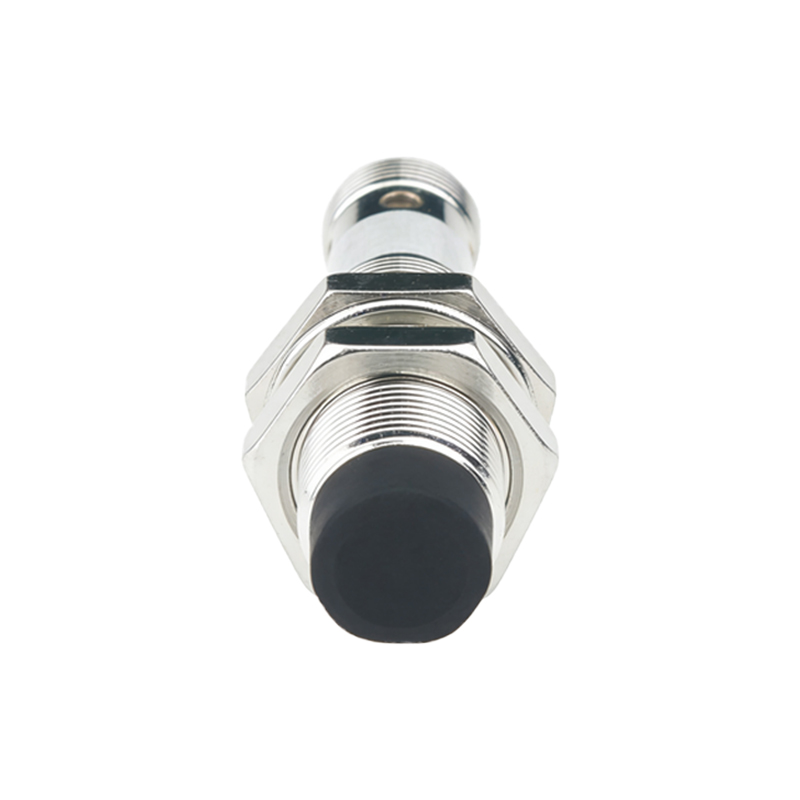
Assess sensing range and repeatability. Place a standard target object (e.g., a metal plate for inductive sensors) at the specified nominal sensing distance. The sensor should consistently detect the object without false triggers. Gradually move the target closer and farther to test the effective range. Inconsistent detection or reduced range suggests wear or calibration problems. For analog sensors, measure the output signal variation with distance changes to ensure linearity.
Environmental testing simulates real-world conditions. Expose the sensor to temperature variations within its rated limits. Extreme heat or cold can affect electronic components and sensing accuracy. Similarly, test under vibration or shock if the sensor operates in dynamic environments. Many industrial sensors have ingress protection (IP) ratings; verify resistance to dust and water if applicable.
Compare performance with manufacturer specifications. Key parameters include response time, hysteresis, and switching frequency. Slow response or excessive hysteresis can cause missed detections in high-speed applications. Use an oscilloscope to analyze output waveforms for noise or irregularities. Additionally, check for electromagnetic interference (EMI) from nearby motors or cables, which may disrupt sensor operation.
Implement preventive maintenance. Regularly log sensor performance data to identify gradual degradation. Replace sensors showing signs of aging, such as drifting output or increased error rates. Keep spare sensors on hand for critical applications to minimize downtime.
In summary, evaluating proximity sensor quality involves a combination of visual checks, electrical measurements, and environmental tests. By following these steps, technicians can ensure reliable sensor operation, reduce system failures, and maintain productivity. Always refer to the manufacturer’s guidelines for specific testing procedures and safety precautions.